

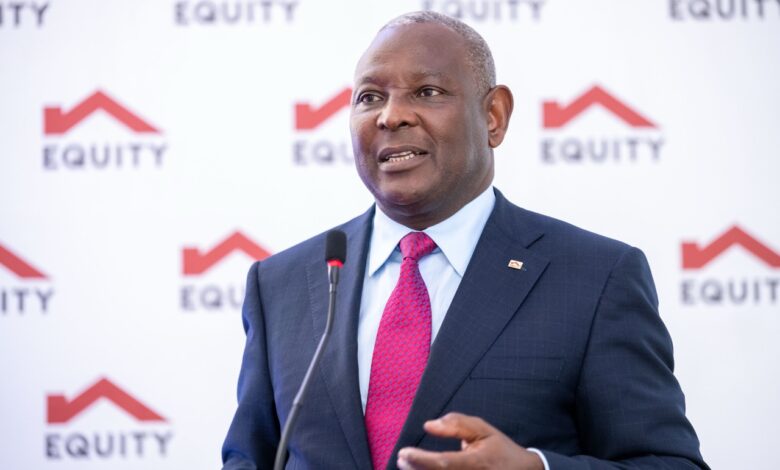
Equity Bank, Kenya’s second-largest lender, has made headlines by firing over 1,200 employees in a single day. This unprecedented move follows a major internal investigation into fraud and marks the largest staff purge in Kenyan banking history. Here’s a breakdown of what led to this decision, how it unfolded, and what it means for the future of banking in Kenya.
Why Did Equity Bank Fire 1,200 Employees?
Massive Internal Fraud Uncovered
- Trigger Event: The crackdown began after Equity Bank uncovered a sophisticated internal fraud scheme that cost the bank over KES 2 billion (about $15.4 million) in the past two years.
- How the Fraud Worked: Fraudsters, including bank insiders, used stolen credentials to manipulate the bank’s payroll systems, enabling over 40 unauthorized transactions. Funds were siphoned to rival banks and offshore accounts, including a high-profile case involving transfers to Abu Dhabi.
- Key Figures: The fraud was traced to employees across multiple departments, with some senior managers implicated.
How Did the Investigation Happen?
Step-by-Step Breakdown
- Start Date: The investigation began in April 2025, focusing on suspicious transactions in employee bank accounts and M-PESA mobile wallets.
- Employee Audits: Staff were given only 48 hours to explain flagged transactions, even if the money came from family members or routine dealings.
- Scope: Over 1,200 employees – almost 9% of Equity’s 14,000 workforce – were dismissed in one wave. This followed an earlier round where 287 staff, including top managers, were let go after audits.
- Ongoing Probe: The investigation is not over. Equity Bank plans to extend the probe to all seven countries where it operates, suggesting more dismissals could follow.
CEO James Mwangi’s Ruthless Stance
- Zero Tolerance: CEO James Mwangi has adopted a tough stance, saying, “I will be ruthless. I will protect the customers and the bank. The moment of reckoning has come”.
- New Culture: Mwangi emphasized that staff behavior audits will now be a permanent part of the bank’s culture, alongside regular performance reviews.
- Customer Warning: Mwangi warned customers not to compromise staff, stating, “We have zero tolerance for anybody who is conflicted”.
Employee Reactions and Fairness Concerns
- Due Process Questions: Some employees claim they were dismissed for legitimate family transactions, even after providing proof. There are concerns about whether all dismissals were fair or if some were part of cost-cutting measures.
- Severance Packages: Dismissed staff will receive their full salary up to their last day, pay for unused leave, and one month’s notice pay, minus any debts owed to the bank.
Impact on Kenya’s Banking Sector
Setting a New Standard
- Industry-Wide Implications: Equity’s bold move exposes deeper governance challenges in Kenya’s banking sector and sets a new benchmark for internal controls and staff accountability.
- Public and Regulatory Response: The zero-tolerance approach is expected to gain public and regulatory support but also raises questions about employee rights and due process.
Financial Performance
- Profit Trends: The crackdown comes as Equity reported a 3.86% drop in net profit for Q1 2025 (KSh 14.8 billion), with non-interest income falling by 11.8%. However, the bank’s annual profit grew 12% in 2024 due to business diversification.
- Non-Performing Loans: Equity’s NPL ratio remains below the industry average, signaling resilience despite the challenges.
What’s Next for Equity Bank?
- Permanent Audits: Staff behavior audits will now be routine, with top law firms and audit firms engaged for ongoing checks.
- Continued Investigation: The probe will expand to all Equity’s operations in East Africa, and more dismissals could follow as the bank aims to restore trust and integrity.
Conclusion
Equity Bank’s mass layoff of 1,200 employees is a turning point for Kenya’s financial sector. The move highlights the urgent need for stronger internal controls and ethical standards in banking. As the investigation continues, the industry will be watching closely to see if this bold action restores trust and sets a new standard for governance across East Africa.








Join the discussion