

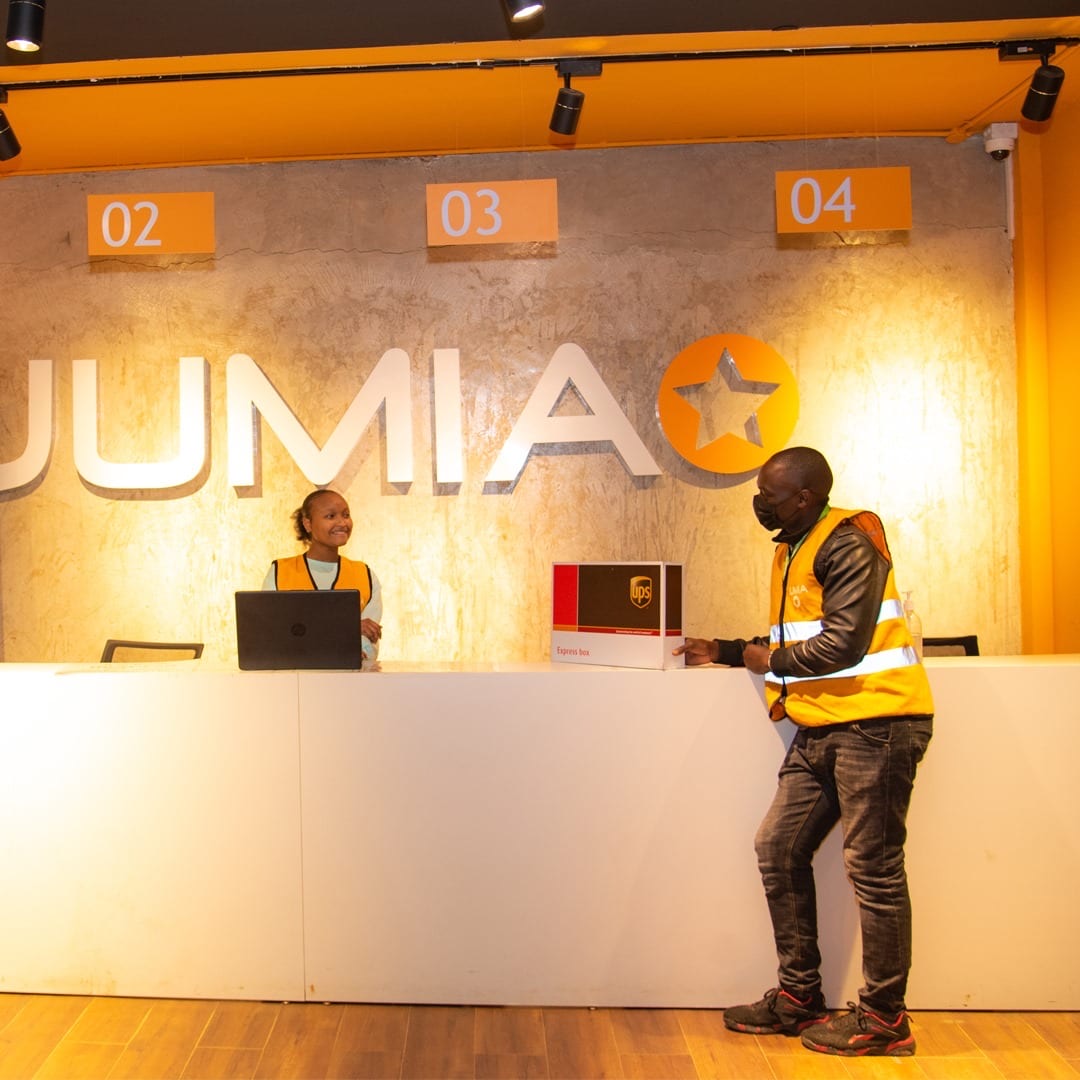

Jumia just dropped an 18-page report claiming total victory in Kenya’s final frontier: the rural heartland. The new epicenter of e-commerce, Jumia claims, isn’t Nairobi’s tech hubs but rural towns with patchy internet. Jumia isn’t just a convenience for the elite anymore; it’s a “nationwide engine of inclusion,” a “blueprint for digital development” connecting border to border.
The numbers, on their face, are massive. The company boasts that a full 60% of its orders now come from outside the big cities, up from 54% last year. It’s built a 26,000-person army of local agents – called the “JForce” – to act as a “human engine” for e-commerce. It even claims an average delivery time of just 2-4 days, whether you’re in a suburb or a remote area far away. Jumia, the report proclaims, has solved rural e-commerce.
There’s just one problem: Wall Street isn’t buying it.
While Jumia was busy publishing its victory report, its Q3 2025 financial results told a very different story. Despite a 25% jump in year-over-year revenue, the company’s $45.6 million haul missed investor forecasts of $50 million. The market’s reaction was swift and brutal: the stock took a 3.41% pre-market dive.
But the real red flag wasn’t the missed forecast. It was the margins. Jumia’s gross profit margin actually shrank, falling from 14% to 12%.
So, what gives? How can Jumia be “winning” and “losing” at the same time? The answer, it turns out, is buried in the fine print of Jumia’s own victory report.
The “why” is a single, devastating chart on page 12. When Jumia asked its new rural customers why they shop online, the answer was overwhelming: “Best prices (58.9%)”. This wasn’t about “convenience” (a distant 11.1%) or even “product availability”. It’s a hunt for a bargain, driven by a brutal macroeconomic reality the report also admits to: “inflation erodes spending power” in a country with “rising social unrest”.
Jumia is successfully winning a customer base that is high-volume, geographically difficult, and, by its own admission, hyper-focused on price.
The company is now locked in a low-margin war, and its rural strategy is incredibly expensive. To even make a sale, it has to deploy its “human engine.” The 26,000 JForce agents are a brilliant, analog solution to a digital problem: they are a “human API,” placing orders on behalf of friends and neighbors who can’t or don’t trust the app. This network is supported by over 2,700 physical “Order Points” in local kiosks and shops. It’s a high-touch strategy, and a critical report detail – that 70% of these agents are male – suggests a significant gender gap in who is accessing these new “digital” earnings.
The logistics are just as costly. Jumia’s report boasts of its “asset-light model,” with over 80% of its 300+ pickup stations run by third-party logistics partners. But this still means spending a fortune to ship a 43-inch smart TV or a kitchen blender – both listed as popular items – to a village where the “last mile” is an unpaved road.
This entire, costly operation explains why the report’s real purpose isn’t just to brag. It’s a political weapon.
Buried on the final page is a plea to the Kenyan government. A new “Withholding Tax” (WHT) is set to impose a 5% tax on every sale made by Jumia’s local sellers. Jumia is seemingly panicked. It argues this tax will annihilate the “slim margins” of its 60% SME seller base, forcing them to flee the platform and go back to selling informally on Facebook and WhatsApp. This, Jumia argues, would kill the very “engine of inclusion” the government claims to want.
But Jumia isn’t just fighting a high-stakes battle on the regulatory front. It’s also getting outflanked in the cities, where the rules of e-commerce are rapidly changing.
In urban centers like Nairobi, Jumia’s 2-4 day rural delivery promise feels archaic. Retail giants like Carrefour are winning the city, not with a centralized warehouse, but with a sophisticated app that mirrors a “brick-and-mortar” store and offers “instant shopping” with 1-hour delivery slots. This speed war is powered by the “unbeatable” last-mile delivery network that Jumia’s model struggles to match: the boda-boda (motorbike). This vast, informal fleet is the “backbone of urban mobility”, fueling last-mile delivery for everyone from Carrefour to the thousands of small SMEs that use TikTok and Instagram as their primary storefronts.
This new, decentralized model directly attacks Jumia’s core weaknesses. For many potential buyers, Jumia’s centralized system is a pain; Why order on Jumia and wait a couple of days for something I am not sure about with quality, an annoying pickup process, or a hectic return policy? Urban consumers now get instant gratification from an Instagram shop, have it delivered by a boda-boda in an hour, and use the “pay on delivery” model. This “customer trust deficit” is the final hurdle. In a market where a 2025 survey found 60% of consumers had accidentally bought counterfeit goods – with online platforms named as a growing source – Jumia is finding it harder than ever to convince people to trust it with big-ticket items.
Jumia is in a street fight with the taxman for its rural business, all while it’s losing a guerilla war to Instagram shops and boda-bodas in the cities. It is hemorrhaging profit to win a rural market that is price-obsessed , while simultaneously being outflanked by a faster, more trusted informal market in the very urban centers it once dominated.







A fantastic article, well written. You clearly wrote this when well rested 😊