


It was meant to be a week of celebration for Nigeria’s digital creator economy. Instead, the country’s top influencers woke up to a digital curfew.
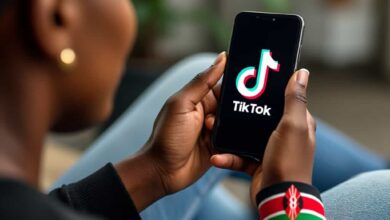
Late Sunday night, transitioning into the early hours of Monday, 8 December 2025, the celebration came to an abrupt halt. Just hours after Nigerian creators had swept the major categories at the TikTok Awards Sub-Saharan Africa in Johannesburg on Saturday, the platform initiated a sweeping suspension of its LIVE feature across Nigeria.
The restriction, which targeted the critical late-night window between 23:00 and 05:00, effectively shut down the country’s nightlife creator economy. While access has since been restored, the move – described by TikTok as a temporary “safety review” – highlights the growing tension between the platform’s explosive growth in West Africa and its struggle to moderate an increasingly complex content ecosystem.
The ‘Vampire Shift’ Blackout
The suspension was a direct response to what internal reports describe as a surge in “coordinated adult shows.” According to data shared at TikTok’s recent West Africa Safety Summit in Dakar, the platform has struggled to contain a wave of livestreams broadcasting explicit sexual acts – often performed in exchange for virtual gifts and real-time financial payouts.
The numbers driving this decision are stark:
- 49,512: The number of LIVE sessions banned in Nigeria in Q2 2025 alone.
- 3.7 Million: The number of videos removed from Nigerian accounts in the same period for violating community guidelines.
- 98.7%: The percentage of these videos removed before a single view occurred – proof of automated efficiency, yet evidently insufficient for live streaming.
Rather than deploying surgical moderation tools to ban specific offenders, TikTok opted for a “kill switch” approach. The 11 PM to 5 AM window – often referred to as the “vampire shift” – is a peak engagement period for legitimate creators, including gamers, late-night talk show hosts, and influencers catering to the diaspora in US and UK time zones.
Triumph in Johannesburg
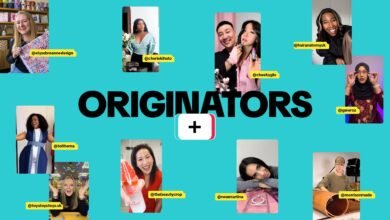
The timing of the crackdown struck a discordant note against the backdrop of the 2025 TikTok Awards, held on Saturday, December 6, in South Africa. The event, themed “New Era, New Icons,” was a showcase of Nigerian soft power, with the country’s creators dominating the winners’ podium.
Crown Uzama, popularly known as Shallipopi, took home the coveted Artist of the Year award, cementing his “Plutomania” sound as the year’s defining audio trend. Meanwhile, Raja’atu Muhammed Ibrahim (@diaryofanortherncook) won Creator of the Year for her cinematic documentation of Northern Nigerian cuisine – content that starkly contrasts with the “safety concerns” cited by TikTok’s moderation team.
Other key Nigerian winners included:
- Storyteller of the Year: Brian Nwana (@briannwana), recognised for his Guinness World Record-breaking food tours.
- Social Impact Creator: Dejoke Ogunbiyi (@noositiwantiwa_), honoured for driving social change.
“Tonight’s ceremony was a gathering of the trailblazers who have redefined what it means to be a creator in Africa,” said Boniswa Sidwaba, TikTok’s Head of Content Operations for Sub-Saharan Africa. The statement now reads with unintended irony: while the platform celebrates these creators as “icons” by day, its new policy treated the Nigerian market as a liability by night.
The Economics of ‘Atije Atimu’
The backlash on social media was swift and centred on economics. In a country grappling with high youth unemployment, TikTok has evolved from a social pastime into a critical financial lifeline. The “gifting” economy on TikTok LIVE allows creators to earn immediate cash, making the late-night ban a direct hit to their livelihoods.
One frustrated user, captured by local media, summed up the sentiment using the Yoruba phrase atije atimu – meaning “our daily bread” or livelihood.
“Why ban live at night? They have taken our atije atimu from our hands.”
While TikTok clarified that existing balances were safe, the inability to stream during peak hours represented a significant opportunity cost.
Some users have applauded the move as a necessary step to curb the digital prostitution rings that have infiltrated the app. However, the “collective punishment” model raises questions about the platform’s technical capabilities. If TikTok’s algorithms – lauded as the most sophisticated in the world – cannot distinguish between a cooking show and an adult performance in real-time, the efficacy of its safety architecture is called into question.
A Fragile Ecosystem
As of Tuesday morning, the specific restrictions have been lifted, and the “vampire shift” is open for business once again. However, the incident serves as a bellwether for the African tech ecosystem.
As global platforms like TikTok, YouTube, and Meta deepen their penetration in African markets, the friction between growth, local regulation, and moderation enforcement is intensifying. For now, Nigeria’s creators find themselves in a paradoxical limbo: celebrated as kings in Johannesburg on Saturday, but silenced as common risks in Lagos on Sunday.