


If you thought the smartphone market had peaked, the numbers for 2025 beg to differ – though the devil is in the details. According to the latest data from Counterpoint Research, global smartphone shipments grew by 2% year-over-year (YoY) in 2025. This marks the second consecutive year of growth for the industry, but it wasn’t a rising tide that lifted all boats.
The real story here isn’t just that people are buying phones again; it’s what they are buying. The era of cheap, disposable handsets is fading, replaced by a “premiumization” wave driven by 5G upgrades in emerging markets and aggressive financing options.
At the top of the food chain? Apple. The iPhone maker didn’t just survive 2025; it dominated it.
The Apple Supercycle
Apple has officially emerged as the market leader for 2025. Cupertino captured a massive 20% of the global market share, posting a 10% YoY growth – the highest among the top five brands.
What drove this surge? It appears to be a perfect storm of legacy upgrades and new hardware. Counterpoint analyst Varun Mishra points out that the “COVID-era upgrade cycle” finally hit its inflection point. Millions of users who bought phones during the pandemic lockdowns were finally due for a replacement in 2025.
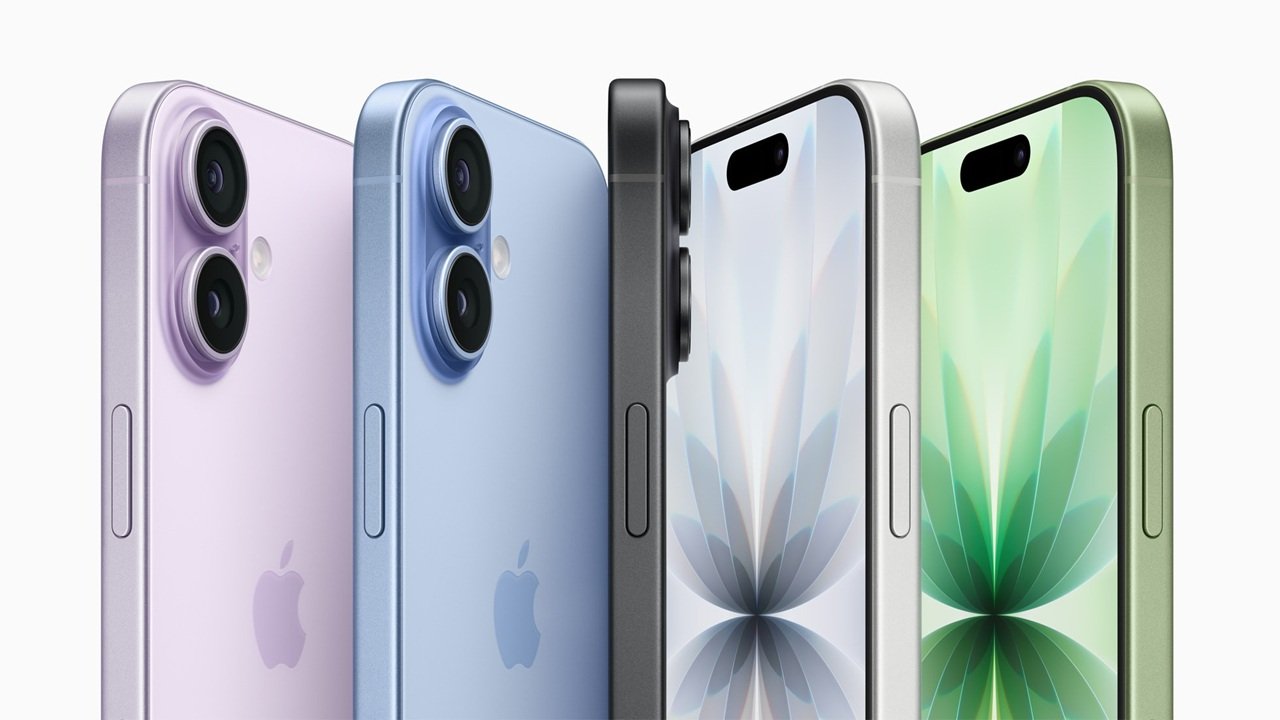
Additionally, the iPhone 17 series gained significant traction in Q4 following its successful launch, while the iPhone 16 continued to perform exceptionally well in key markets like Japan, India, and Southeast Asia. In Q4 2025 alone, Apple accounted for one-fourth of all global shipments – its highest-ever share. However, Q4 shipments across the industry closed on a modest note, growing just 1% YoY owing to inventory built up in previous quarters.
The Leaderboard: Winners and Losers
While Apple took the crown, the rest of the field saw mixed results. Samsung held onto the second spot with a 19% market share and a modest 5% growth.
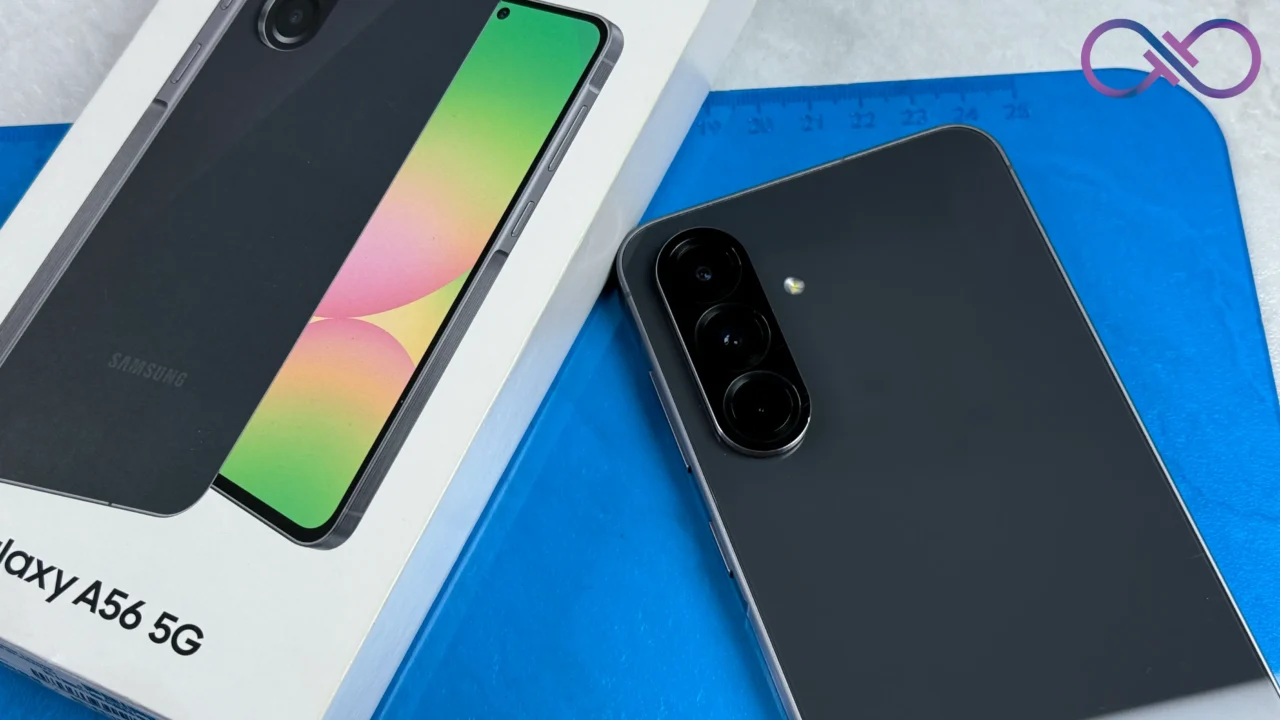
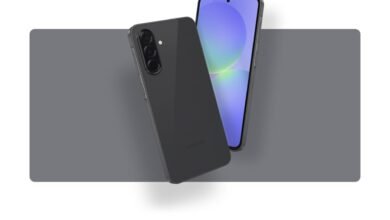
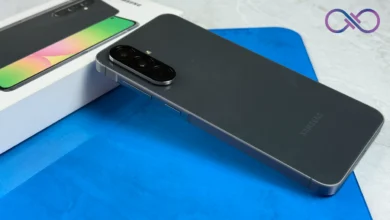
Samsung’s strategy seems to be a game of two halves: the Galaxy A series continues to do the heavy lifting in the mid-range, while the Galaxy S25 and the Galaxy Fold 7 are driving traction in the premium segment, outperforming their predecessors. However, the Korean giant is facing pressure in Latin America and Western Europe, relying on strong momentum in Japan and its core markets to stay afloat.
Here is how the top players stacked up from 2023 to 2025:
| Brand | 2023 | 2024 | 2025 | YoY Change in Shipments |
|---|---|---|---|---|
| Apple | 19% | 18% | 20% | +10% ▲ |
| Samsung | 19% | 18% | 19% | +5% ▲ |
| Xiaomi | 13% | 14% | 13% | 0% ↔ |
| vivo | 8% | 8% | 8% | +3% ▲ |
| OPPO | 9% | 8% | 8% | -4% ▼ |
| Others | 32% | 33% | 32% | -1% ▼ |
The data reveals that while the overall market grew by 2% in 2025, the landscape shifted dramatically. Apple and Samsung increased their combined dominance from 36% in 2024 to 39% in 2025, while the “Others” category – representing smaller brands and regional players – saw its share contract.
The “Others” Are Rising
While the top five jostle for position, there is fascinating movement in the margins. The report highlights that Nothing and Google – often considered niche players – recorded massive growth figures of 31% and 25% YoY, respectively. While their total volume is smaller, this growth suggests a hunger for alternatives outside the Samsung-Apple duopoly.
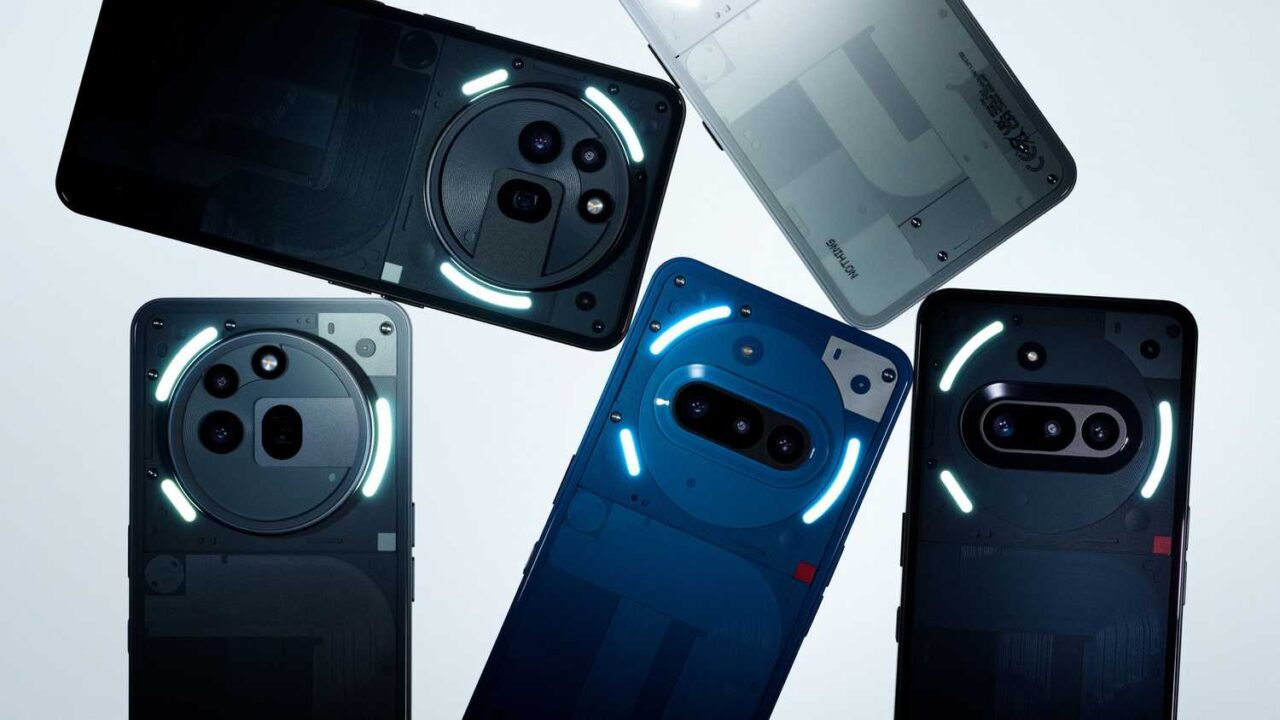
Conversely, OPPO struggled, declining 4% YoY due to weak demand and fierce competition in its home market China and the Asia-Pacific. Though it grew in markets like India and the Middle East and Africa, that was insufficient to offset declines in other regions. However, Counterpoint notes that moves are afoot to integrate realme back into OPPO. Once that consolidation happens, the combined entity would capture 11% share, taking fourth position in the global smartphone market.
The 2026 Warning: AI is Eating the Supply Chain
Here is the part where the news gets grim for consumers. While 2025 was a year of recovery, 2026 is shaping up to be a year of constraints.
Counterpoint has revised its 2026 forecast downward by 3%, predicting the market will soften. Why? Because of Artificial Intelligence.
Chipmakers are currently prioritizing high-end chips for AI data centers over smartphone components. This has led to a shortage of DRAM and NAND memory, driving up component costs. Research Director Tarun Pathak warns that price hikes have already begun to surface.
“The global smartphone market is set to soften in 2026 amid DRAM/NAND shortages and rising component costs, as chipmakers prioritize AI data centers over smartphones. Price hikes in smartphones have already begun to surface. Against this backdrop, we have revised our forecast for 2026 by reducing shipment estimates by 3%.” – Tarun Pathak, Research Director
This supply crunch will likely hurt Chinese OEMs concentrated in lower-price segments the most. Apple and Samsung, with their stronger supply chain capabilities and premium market positioning, are expected to remain resilient, but your next mid-range phone might cost significantly more than you expect.