

In a massive shake-up of the African banking landscape, South African financial giant Nedbank has formally triggered a plan to acquire a controlling 66% stake in NCBA Group PLC. If the deal clears regulatory hurdles over the next six to nine months, it will effectively turn one of East Africa’s largest indigenous banks into a subsidiary of the Johannesburg-based powerhouse.
This isn’t just a traditional bank merger involving brick-and-mortar branches; it is a play for scale in the digital lending space. NCBA is the engine behind a credit ecosystem (M-Shwari, LOOP, Fuliza etc.) that disburses over KES 1 trillion in digital loans annually – a volume that arguably classifies it as much as a tech company as a bank.
Here is the breakdown of the deal, the mechanics of the payout, and why a South African giant is looking North.
The Mechanics: A 1.4x Premium
The acquisition is structured as a Tender Offer, a public invitation to all shareholders to tender their stock for sale at a specific price. Nedbank isn’t buying the company at its scrap value; they are paying a premium.
- Valuation: The deal values NCBA at 1.4 times its Book Value.
- Context: In banking, ‘Book Value’ is essentially the net asset value – what the bank would be worth if you sold all its assets and paid off all its debts today. Paying a 1.4x multiple suggests Nedbank sees significant “intangible” value in NCBA’s brand, technology, and future cash flows.
- The 34% Remainder: Nedbank does not want 100%. They are aiming for roughly 66%, leaving the remaining 34% of shares listed on the Nairobi Securities Exchange (NSE). This keeps NCBA tethered to the local market, likely to appease regulators and maintain local investment optics.
The Payout: Cash vs. Paper
For NCBA shareholders, this isn’t a straight cash-out. The transaction structure is complex:
- 20% Cash: Shareholders will get hard currency for a fifth of their stake.
- 80% Stock: The bulk of the payment will be in Nedbank ordinary shares listed on the Johannesburg Stock Exchange (JSE).
Analysis: This structure effectively forces NCBA shareholders to “swap” their bet. They are trading exposure to the volatile but high-growth East African market for a stake in a South African giant that operates in a more mature, slower-growth economy. It aligns the interests of the sellers with the buyer – if Nedbank stock crashes, the deal value drops.
The Tech Stack: Why NCBA?
To understand why Nedbank is interested, you have to look at the numbers that matter in 2026. NCBA, formed from the merger of NIC Group and Commercial Bank of Africa, is a digital behemoth.
- Customer Base: 60 million customers (spread across Kenya, Uganda, Tanzania, Rwanda, Ivory Coast, and Ghana).
- The Engine: KES 665 billion in assets and that staggering KES 1 trillion in annual digital loan disbursements.
- Performance: Since 2021, the group has averaged a roughly 19% Return on Equity (ROE).
Nedbank, by contrast, is a heavyweight in traditional finance. They hold 16–17% of South Africa’s loan and deposit market and dominate vehicle and commercial property finance (36% market share each). However, they currently only have a representative office in East Africa. This deal allows them to leapfrog decades of organic growth and instantly acquire a fully operational, digitally native banking network.
The Strategy: The “Gateway” Theory
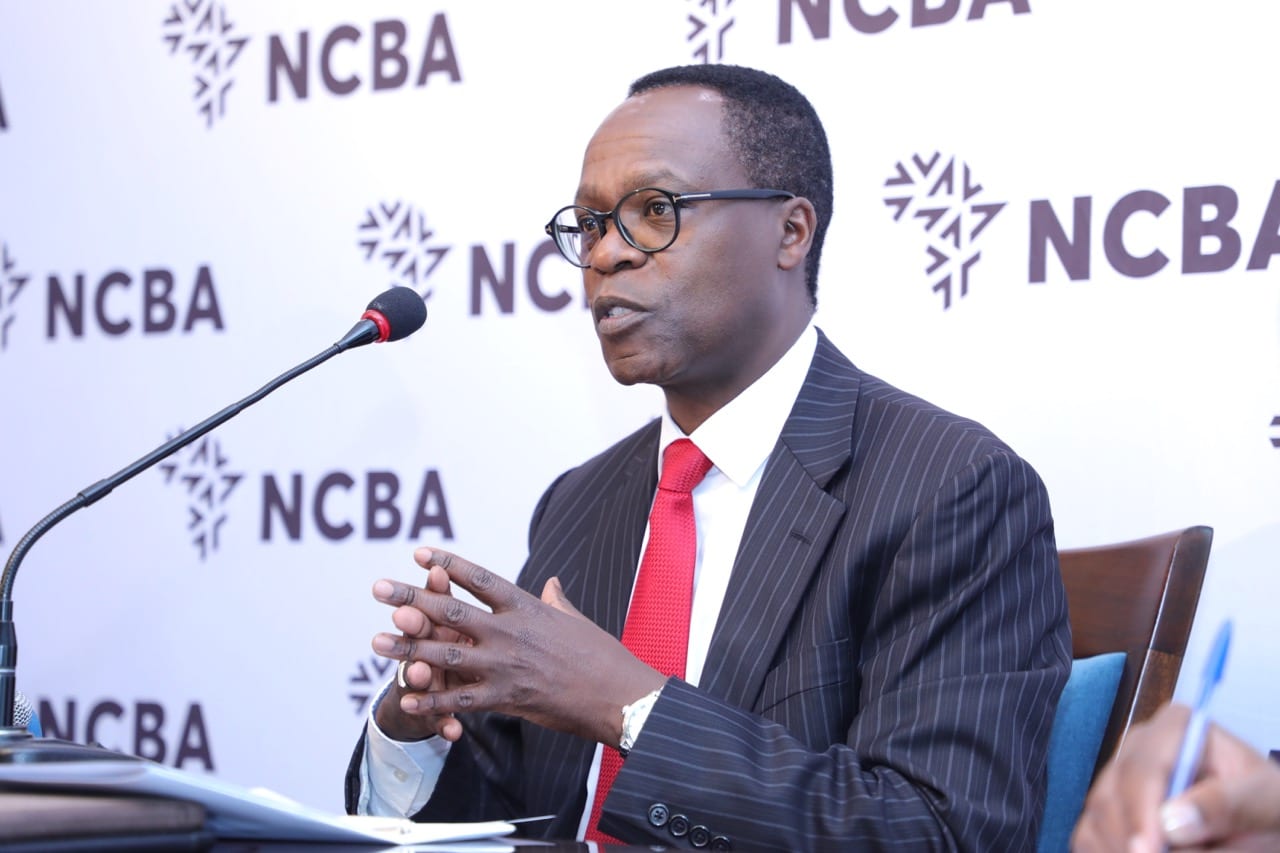
Both CEOs – John Gachora of NCBA and Jason Quinn of Nedbank – are framing this as a geographical play.
“Nedbank has a strategic objective to grow and diversify outside of its core Southern Africa market,” Quinn noted, identifying East Africa’s “sophisticated markets and dynamic technology sector” as the anchor.
The plan is to use Kenya as the launchpad for a broader Pan-African expansion, specifically targeting:
- Ethiopia: Population ~136 million, GDP ~$135 billion.
- DRC: Population ~110 million, GDP ~$70 billion.
The combined entity plans to mix Nedbank’s “strong balance sheet” and investment banking prowess with NCBA’s retail and digital agility.
What Changes? (And What Doesn’t)
According to the release, the “integration” will be unusually light-touch for a takeover of this size.
- Brand: NCBA keeps its name and brand.
- People: Management and staff remain locally anchored.
- Tech: Because Nedbank has no retail operations in Kenya, there is no messy “system migration” of accounts – a notorious pain point in banking M&As.
- Synergies: The focus is on cross-pollination. NCBA staff get career paths into Nedbank’s global offices (London, Dubai, Isle of Man, Jersey), and corporate clients get access to Nedbank’s deeper capital pools for cross-border deals.