

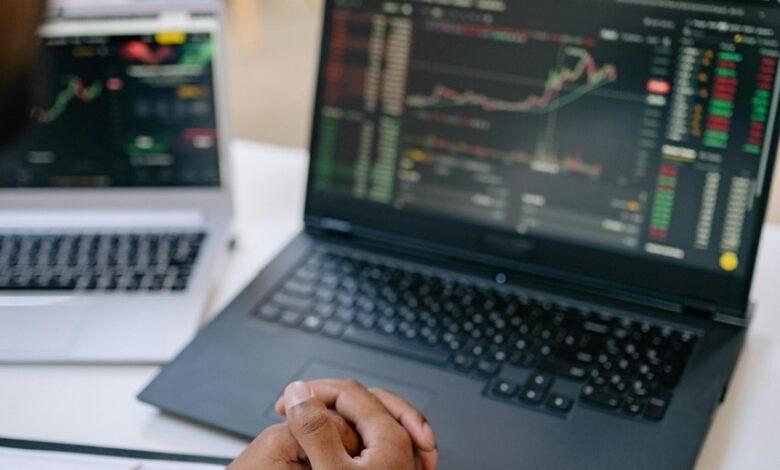

If you’ve been in the trading industry for some time now, you can agree that things are not like they used to be. Modern platforms have evolved, allowing players to not just enjoy convenient access to markets but so much more. And in the Kenyan industry, things have not been any different. These platforms understand the importance of being customer-focused and have, in turn, been aligning.
Many of them now, for instance, prioritise user experience, security and mobile-friendliness. As a result, the Kenyan trading industry has witnessed remarkable progress, topping regional growth charts and attracting a new generation of traders. According to the Eastleigh Voice, the country ranks among Africa’s top 10 financial markets.
Across major cities and towns, Kenyans are increasingly turning to online platforms to access experiences that were once limited to big offices and professional brokers. And at a time when these users know exactly what to expect, trading platforms in Kenya are aligning by providing relevant experiences. So, how are they adjusting their approach to match Kenya’s shifting preferences?
Adapting to the mobile shift
As the Kenyan Wall Street has it, there are over 42 million smartphones connected to mobile networks in the country, representing a penetration rate of more than 80%. With as low as Kes 10,000 (approximately 77.5 USD), anyone here can now own a device that allows them to execute trades. And since carrying these devices around is more convenient, it shouldn’t be a surprise that most Kenyans use them to do everything, including trading.
The days when executing online trade was limited to desktops are long gone. Today, thanks to mobile devices, you can do so from anywhere. As such, exchange companies have had to adjust their web design approach from a desktop-first mindset to a mobile-first one. Imagine the pain of being unable to appeal to over 42 million individuals just because your platform is mobile-friendly.
This is, of course, a pain no serious business would want to bear, explaining the rise of responsive websites in this industry. A responsive website uses flexible layouts so that when a trader switches to a small-screen device, they don’t have to worry about pinching or zooming in on a platform.
Beyond responsiveness, push notifications have become handy in updating traders about market movements and other important financial news. In this way, it becomes possible to take advantage of market opportunities regardless of your location.
Safe trading feels good
Who wants to risk trading their hard-earned money on a platform that doesn’t prioritise safety? In Kenya, where online fraud and cyber threats are a real concern, online security is no longer debatable. Imagine, according to Techweez, the country experienced a staggering 441% surge in cyberattacks, totalling 4.5 billion incidents in just three months. With sectors like online trading becoming prime targets, internet users are now more cautious about where they invest their money.
If a platform lacks a feature like SSL encryption, it quickly loses the trust of Kenyan traders. SSL encryption appeals to risk-averse users because it securely transmits personal and financial data between clients and servers, reducing the likelihood of malicious interception. Other features like two-factor authentication (2FA) also help strengthen platforms’ security.
As the name suggests, 2FA requires users to verify their identity using a second method, often a code sent to their phone or email. This makes it almost impossible for an attacker to access an account even if they have compromised the account’s password.
To further improve their appeal to security-conscious traders, some exchanges have implemented AI-powered mechanisms. The beauty of AI lies in its ability to assess and analyse large data assets in real-time, making it possible to prevent fraudulent transactions before they even happen.
Paying attention to the payment experience
Aspects like payment may feel like a small part of the trading process, but they can either make or break the user experience. Of course, funding an account is usually one of the very first steps a trader takes in most cases. If the process is cumbersome or slow, it can sour the entire experience. That’s why it’s not surprising that, according to FinTech Futures, 85% of consumers are less likely to interact with a business after such a negative payment experience.
Now that appealing to modern traders is becoming challenging, exchange companies targeting the Kenyan market are using such statistics to improve the user experience. And if you’re keen, you’ll notice that most of them partner with reputable names like PayPal and Skrill. But beyond just ensuring seamlessness in the experience, some localise by supporting M-Pesa transactions.
As African Gambit reports, M-Pesa alone has almost 40 million (37.9 million) monthly active users. For platforms supporting this transaction method, the likelihood of appealing to Kenyan traders skyrockets. M-Pesa allows users to fund and withdraw from their accounts instantly without worrying about international transfer delays or high fees.
In simple terms, trading platforms in Kenya are more than tools for executing trades. Realising that users expect more than convenience, these companies have been reworking the experience to make it match modern preferences. For instance, through responsive websites, they are able to ensure seamless access across all devices, including small ones.
When it comes to security, the platforms use features like SSL encryption and 2FA to build confidence among risk-averse traders. Combining these features with local payment methods, it becomes easy to understand why Kenyan traders can now engage more efficiently.

