


It is officially the end of an era for one of Kenya’s most iconic heritage brands. Eveready East Africa PLC (NSE: EVRD), the company that spent over 70 years powering Kenyan radios and torches with its ubiquitous red D-size batteries, is fundamentally reinventing its business model.
In a sweeping strategic transformation announced today, the Nairobi Securities Exchange-listed firm declared it is pivoting away from traditional legacy hardware to become an “integrated clean energy platform.”
Eveready is effectively trading low-margin commodities for high-value services. The new strategy trades on the company’s massive brand equity—the trust built by the “Shika Paka Pawa” slogan—to aggregate and finance solutions for the green economy. The company is betting its future on three distinct verticals: solar and storage hardware, carbon credit trading, and, most notably, entering the fintech space through electric vehicle (EV) financing.
“Eveready is reimagining its role in Kenya’s energy future,” said Sonia Karuma, Eveready’s Chief Operating Officer. She noted the shift is aimed at building a “resilient business positioned for long-term growth” by making clean energy accessible.
Here is a breakdown of Eveready’s massive triple pivot.
1. The Utility Play: Aggregating Big Tech Solar
At the center of the new strategy is the Integrated Clean Energy Platform (ICEP). Eveready is not attempting to manufacture new energy hardware. Instead, it is positioning itself as a trusted value-added distributor and installer for global giants.
The company announced strategic partnerships with Huawei Technologies and Jinko Solar to offer end-to-end power solutions. Eveready will now be the face for selling and installing Commercial and Industrial (C&I) solar inverters, high-efficiency panels, residential battery backups, and smart energy management systems.
Eveready is targeting everything from households to large corporates and healthcare facilities, pitching systems that they claim will become “self-financing within a few years through energy savings.”
2. The Fintech Play: Asset-Backed EV Lending
Perhaps the most surprising element of the pivot is Eveready’s entry into the financial services sector. Recognizing that the high upfront cost (CAPEX) is the biggest barrier to electric mobility adoption in Kenya, Eveready is launching a lending arm.
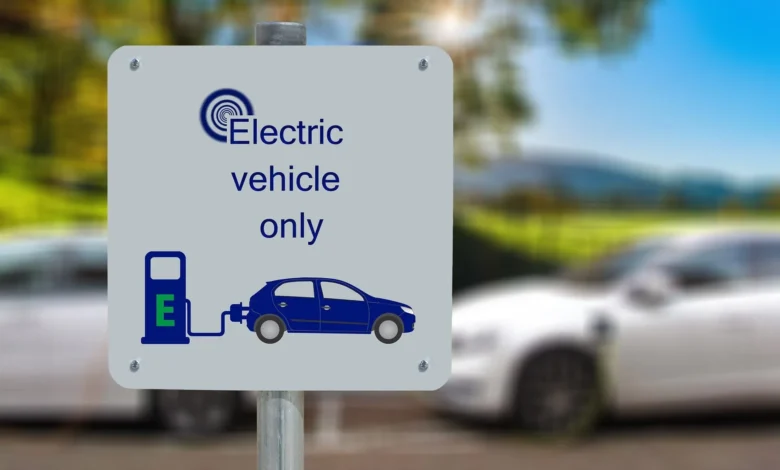
Through a partnership with EV Jumla, Eveready will provide asset-backed financing solutions for electric vehicles.
This moves Eveready squarely into the fintech arena. They will offer financing for individual cars, electric bikes, and fleet operators. Crucially, they are targeting the commercial sector—taxi drivers and delivery services—with “flexible repayment structures.”
By financing the assets and integrating charging solutions linked to their renewable energy products, Eveready is attempting to capture the entire value chain of the e-mobility shift.
3. The Profit Layer: Carbon Credits
The final pillar of the strategy is designed to turn green energy adoption into a secondary revenue stream. Building on connections established during the historic Nairobi carbon credit auction in June 2023, Eveready has partnered with the Regional Voluntary Carbon Market Company (RVCMC).
This partnership will allow Eveready to develop high-quality carbon projects. By installing solar and financing EVs, the company will generate “verified emissions reductions,” which can then be packaged and sold as carbon credits to global buyers—adding a pure profit layer on top of their hardware and financing operations.
A High-Stakes Gamble on Brand Trust
This is a bold, necessary, but high-risk maneuver for Eveready. The dry cell battery market has long been largely commoditized. By pivoting to 2026’s growth sectors, Eveready is trying to leverage its greatest remaining asset: the fact that almost every Kenyan knows their name.
They are betting that consumers and businesses will trust the “Eveready” brand enough to buy a Ksh 1 million solar grid or take out a loan for an electric vehicle through them, rather than a newer market entrant.
However, this shifts Eveready’s risk profile significantly. They are moving from the logistics of selling batteries to the engineering challenges of grid installation and the credit risks of lending to the volatile transport sector. Eveready is no longer just a hardware brand; it is now a bank and a utility utility-services provider wrapped in a heritage logo.