


Picture the scene: It is 2 AM at Jomo Kenyatta International Airport (JKIA). You have just cleared customs after a long flight. You open your phone, connect to the spotty terminal Wi-Fi, and check Uber. A ride to Westlands is estimated at roughly KES 800.
Then, you look up. Standing by the exit are the traditional airport “yellow cab” operators. Their price for the exact same journey? Often KES 3,000 or more.
For years, travellers have voted with their thumbs, bypassing the expensive legacy taxis in favour of Uber and Bolt’s algorithms. Now, the Kenya Airports Authority (KAA) is stepping in to level the playing field; not by making the yellow cabs more competitive, but by building a state-backed digital fortress around them.
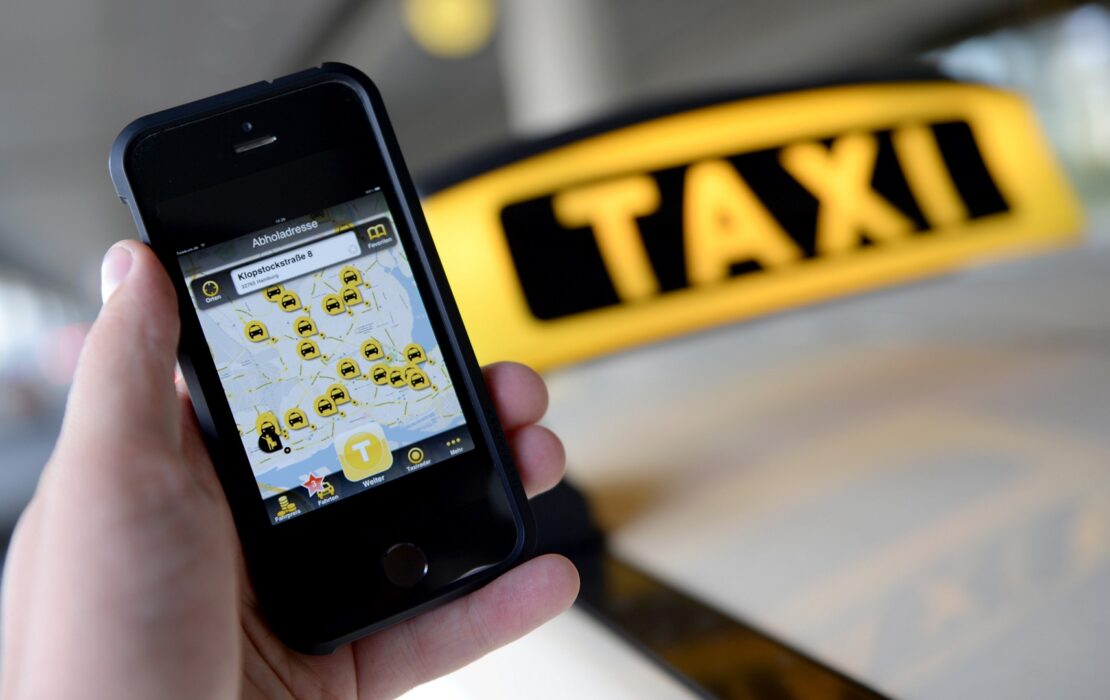
KAA is currently seeking a tech partner to design, develop, and operate its own ride-hailing “Super App” through a Public-Private Partnership (PPP). The goal is ambitious: to “boost safety, regulate airport taxis, and grow revenue.” But beneath the corporate speak lies a high-stakes battle for the wallets of the nearly 9 million passengers passing through JKIA annually, pitting state-enforced regulation against free-market innovation.
The Ambition:
According to tender documents seen by Business Daily, KAA’s vision goes far beyond a simple taxi dispatch system. They are attempting to architect a “modular, extensible platform.”
While the initial phase focuses on onboarding vetted, airport-authorised drivers onto a KAA-branded platform, the long-term goal is a comprehensive airport ecosystem. KAA envisages an app where travellers can pre-book rides with a 60-minute free waiting time for delayed flights, track their driver via GPS, and eventually use the same platform to book lounges, navigate indoor terminals, and purchase duty-free goods online.
The technical linchpin of this plan is geofencing.
KAA intends to draw an invisible digital perimeter around JKIA. Using GPS technology, the system is designed to automatically track vehicle movements, manage queues, and, crucially, “prevent unauthorised pickups.”
This is the friction point. If KAA successfully deploys a strict geofence, it possesses the regulatory kill switch to ban Uber, Bolt, and Little Cabs from the arrivals terminal completely, forcing passengers onto their proprietary platform.
Monetising 9 Million Captives:
Why is a state corporation, whose primary mandate is infrastructure management, diving into the cutthroat world of tech startups? The answer is simple: revenue diversification.
KAA has traditionally relied on aeronautical revenue: landing fees paid by airlines and passenger service charges tucked into ticket prices. However, in a post-pandemic world, airports globally are scrambling for non-aeronautical revenue streams.
Data shows passenger traffic at JKIA has surged, hitting 6.87 million international and 2.14 million domestic travellers in 2024. For KAA, this isn’t just footfall; it is a massive, captive audience currently leaking value to foreign tech giants. By launching its own app, KAA moves from being a mere landlord to an active participant in the transport economy, taking a percentage of every fare booked through its system.
The Backlash:
The public reaction to this announcement, particularly on social media platforms like X (formerly Twitter), has been a mixture of profound skepticism and outright hostility.
The distrust is rooted in a simple economic reality: pricing parity. Commuters fear that a KAA monopoly will mean being forced to pay the historical KES 3,000 “yellow cab rates” instead of the market-driven KES 300 Uber rates. If the cheaper competition is geofenced out, price gouging is almost guaranteed.
Furthermore, the optics of the timing are disastrous. Critics have pointedly noted that KAA is embarking on a complex software venture just a week after aviation workers went on strike due to delayed salary payments.
Others highlighted the persistent infrastructure failures at JKIA, such as leaking roofs during heavy rains and frequent power blackouts. The sentiment is clear: if KAA cannot manage basic physical infrastructure and payroll, how can it possibly manage a sophisticated, real-time algorithmic dispatch engine?
The fear, widely articulated online, is that the PPP model is merely a vehicle for “tenderpreneurship”; a scheme designed to award lucrative technology or vehicle supply contracts to connected individuals, creating what one user cynically dubbed “another Kenatco to be looted dry.”
The Flawed Benchmark
This initiative also highlights a jarring policy contradiction within the current administration.
The National Treasury and high-ranking officials have repeatedly stated a macroeconomic goal of divesting from State-Owned Enterprises (SOEs), arguing that “the government has no business doing business.” Yet, here is a major parastatal aggressively attempting to capture market share in a sector already served efficiently by private entities.
Furthermore, KAA’s justification seems to rely on a flawed international benchmark. The authority cites UK airport apps, like TappAXI at Heathrow and Gatwick, as inspiration.
Airports like Heathrow have embraced an open, monetised model. They allow Uber and Bolt to operate but charge a mandatory “Terminal Drop-Off Charge” (e.g., £5), which the apps pass on to the rider.
Heathrow figured out how to tax the innovation of Uber without stifling it. KAA, while being late to the whole idea, may not get it right at all.
The Verdict
The KAA’s proposed app is a fascinating case study in the clash between legacy state infrastructure and modern digital convenience.
If executed flawlessly, it could offer a premium, secure, and integrated experience for tourists terrified of “rogue” drivers. But if executed poorly, or used simply as a tool to enforce a monopoly for overpriced cabs, it will turn the simple act of leaving the airport into a costly point of friction.
KAA is betting that it can out-code Uber while simultaneously managing a complex physical facility. Given their recent track record, it is a gamble that few Kenyans seem willing to take.