

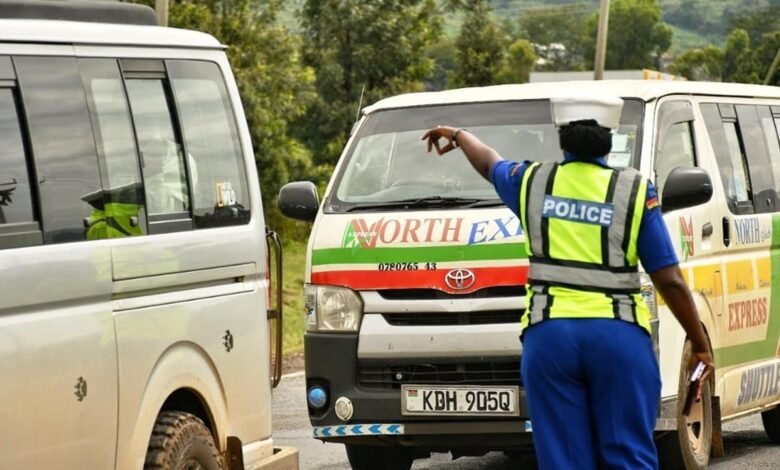

The National Transport and Safety Authority (NTSA) has officially flipped the switch. Following a pilot phase late last year and a recent directive from the President, the Instant Fines Traffic Management System is now live across Kenya. Operating without human intervention, the system relies on a reported 1,000 smart cameras to detect offences and automatically dispatch SMS fines to motorists.
The promise is a utopian vision of Nairobi’s roads: greater transparency, zero roadside bribery, and a streamlined system where unpaid fines lock you out of your NTSA portal. But beneath the polished government press releases lies a labyrinth of technical and ethical questions. We are handing over the policing of our roads to an automated system, but who is policing the AI?
Here is a critical look at the grey areas the NTSA has yet to address.
Who is Truly Being Watched?
The core tenet of automated justice is that it is blind. But is the NTSA’s algorithm truly colourblind when it comes to number plates?
The system will undoubtedly capture the standard white and yellow civilian plates. But what happens when the cameras scan the red plates of UN diplomatic vehicles, or the GK plates of government fleets? These vehicles are notorious for operating above the law on Kenyan highways; driving on the wrong side of the road, overlapping, and bullying civilian traffic.
Will a Cabinet Secretary’s convoy receive an automated SMS fine for overlapping on the Southern Bypass? Are these privileged plates hardcoded into the system as exceptions? Without open-source transparency on the system’s registry rules, the public has no way of knowing if this is equal enforcement or just a digital tax on the everyday citizen.
Verification
The NTSA claims the process is “fully automated and operates without human intervention.” From a technological standpoint, this is terrifying.
How are the offences verified? If the system’s AI spots a slight wheel drift from a car trying to avoid a massive, suspension-breaking pothole, does it register that context? Or does it simply issue a KES 10,000 fine for lane indiscipline?
Cameras are highly susceptible to parallax errors; an optical illusion where an object appears to be in a different position depending on the viewing angle. An automated system cannot distinguish between a driver maliciously running a red light and a driver cautiously creeping over the line to make way for a blaring ambulance. If there is no third-party human verification acting as a fail-safe, the system is fundamentally flawed.
Where Are The Cameras?
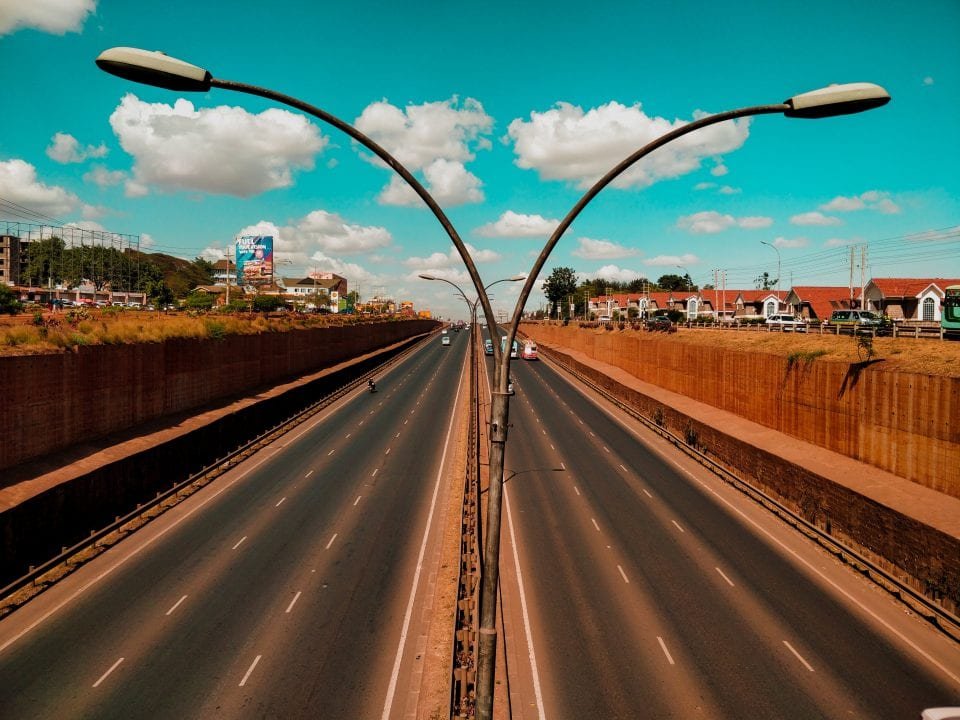
The government claims 1,000 high-definition cameras (700 fixed, 300 mobile) have been deployed across major routes like the Thika Superhighway and Mombasa Road. Yet, the physical infrastructure remains largely invisible to the public.
Look at Rwanda: their automated traffic enforcement is highly effective precisely because it is transparent. Proper markings and clear signage warn drivers of upcoming speed cameras. The goal in Kigali is compliance and safety.
In Nairobi, the lack of communication regarding camera locations suggests a different motive. If you hide the cameras, you aren’t trying to slow people down; you are trying to catch them out. It transforms a safety initiative into a state-sponsored revenue trap.
Camera Capabilities and Technical Loopholes
We also need to question the hardware. What is the actual field of view of these cameras? How proficient are they at Optical Character Recognition (OCR) in heavy Nairobi rain or under the glaring equatorial sun?
Furthermore, how easily can the system be fooled? In other jurisdictions, minor mud splatters, highly reflective plate covers, or even strategic tape have completely blinded ANPR (Automatic Number Plate Recognition) systems. If the AI cannot confidently read a dirty plate, does the offence just disappear into the ether?
What of BodaBoda?
Any system designed to fix Kenyan traffic that does not explicitly address boda bodas (motorbikes) is fundamentally incomplete.
The cameras are allegedly trained to catch speeding and lane violations. But what about the chronic lane hoggers doing 40 km/h in the fast lane, forcing erratic overtakes? What about matatus executing sudden, un-indicated lane switches?
More importantly, boda bodas rarely adhere to lane discipline and often lack proper, legible rear number plates. If the cameras are calibrated to track standard vehicle dimensions, the most chaotic element of Kenyan roads might simply slip through the digital cracks, leaving standard motorists to shoulder the entire burden of enforcement.
Fair Penalty or Highway Extortion?
Finally, we must look at the economics of the fines. Under the new ITMS framework, exceeding the speed limit by 16 to 20 km/h triggers an instant fine of KES 10,000. Causing an obstruction carries a fixed penalty of KES 10,000. Driving on a pedestrian walkway is KES 5,000.
These are not insignificant amounts. In an economy currently under immense pressure, an automated system firing off KES 10,000 fines without human context or an immediate, accessible appeals process crosses the line from punitive to extortionate. And bizarrely, despite this being a “digital revolution,” the NTSA notice mandates that these fines be paid specifically through the “branch network of KCB Group” which is a clunky, analogue bottleneck in a supposedly seamless digital system.
The NTSA has successfully launched the technology. But until they answer these foundational questions about fairness, verification, and transparency, the Instant Fines System looks less like a safety measure and more like an unblinking cash register.