

Diamond Trust Bank (DTB) has reported a profit after tax of KES 10.7 billion for the full year ending 31 December 2025, a 21% increase from KES 8.8 billion a year earlier. Pre-tax profit rose by 26%. The results, announced on 23 March 2026, mark the bank’s strongest annual earnings growth since 2021, according to independent analysis by Kenyan Wallstreet.
The headline numbers are strong. But the story behind them is more interesting.
Falling costs on a growing balance sheet
DTB’s total assets grew by 15% to KES 659.1 billion. Customer deposits hit KES 509 billion, crossing the half-a-trillion mark for the first time and rising 14% over the year. Net loans and advances also grew 14%, closing at KES 324 billion.
Normally, a rapidly growing balance sheet comes with rising costs. DTB managed the opposite. Total interest expenses fell by 16.3% to KES 26.1 billion, even as deposits and assets expanded. That drop in borrowing costs, combined with growth in lending, pushed net interest income up 24.1% to KES 34.9 billion, the fastest growth on that line since 2016.
This is the core engine of DTB’s 2025 performance. When a bank’s funding gets cheaper while its loan book grows, margins widen considerably. That is precisely what happened here.
The improvement reflects the broader interest rate environment in Kenya. The Central Bank of Kenya cut its benchmark rate multiple times through 2024 and into 2025, which eased pressure on banks’ deposit costs. DTB appears to have benefited more than most, partly through its deposit mix and its growing low-cost retail base.
A bank quietly going mass market
One number stands out beyond the financials: customer growth. DTB’s customer base across East Africa grew from 3.1 million to 4.5 million in 2025 alone. That is a 45% jump in twelve months.
For context, the bank had 4.3 million customers by Q3 2025, meaning the bulk of that addition happened through the year. The bank attributes the growth to ecosystem banking, a strategy of embedding financial services around the everyday needs of mid-market, SME, and retail customers, rather than waiting for them to walk into a branch.
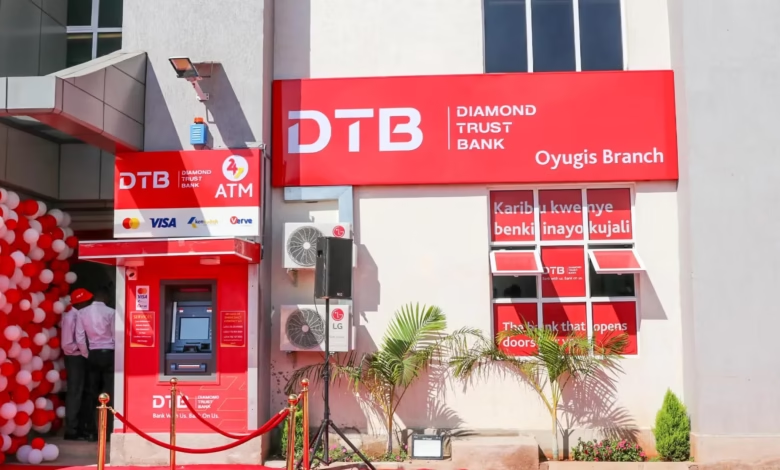
DTB operates 157 branches across Kenya, Tanzania, and Uganda. The branch network matters, but the pace of customer addition at this scale suggests digital channels are pulling significant weight.
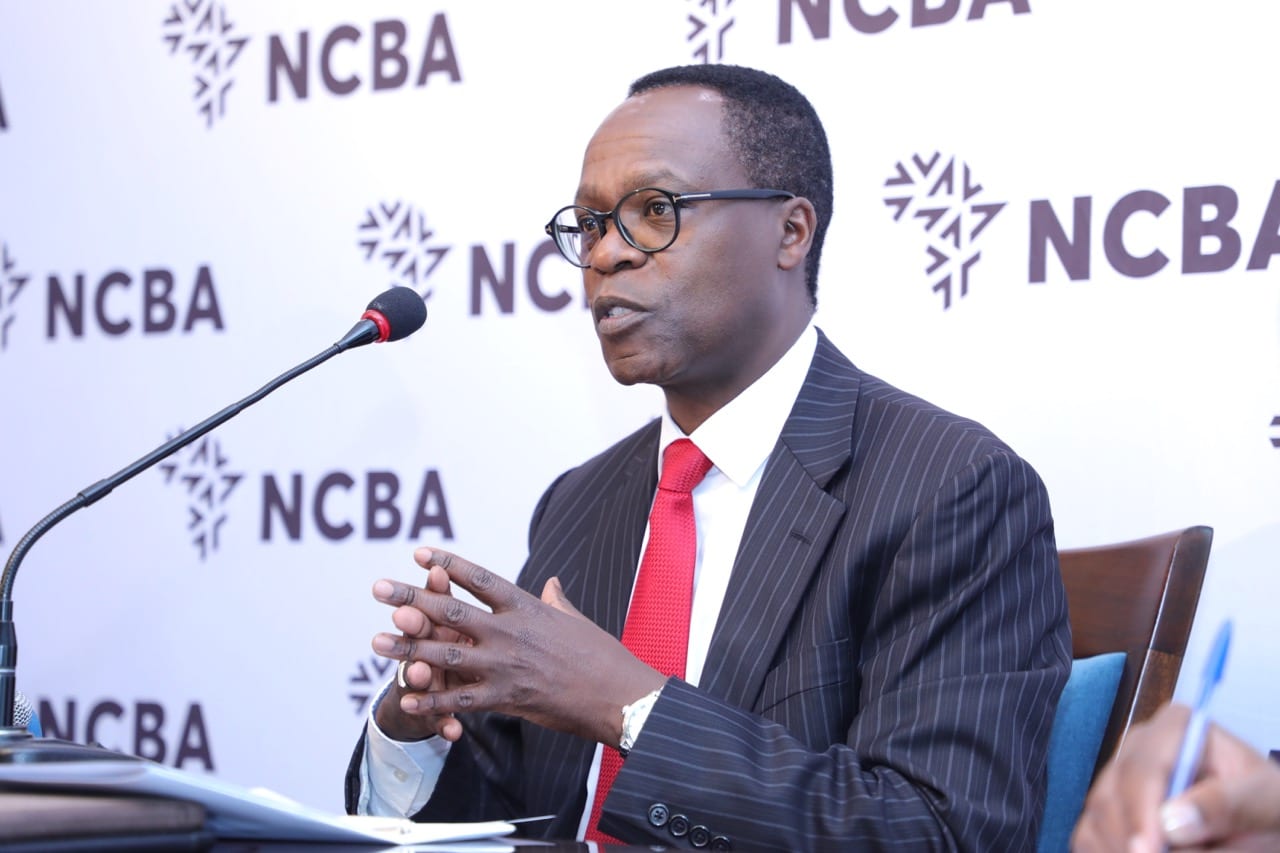
Group CEO Nasim Devji described it as delivering “quality growth while maintaining strong discipline.” DTB Kenya’s CEO Murali Natarajan linked performance to impact, citing financial inclusion and community investment as central to the bank’s model.
Asset quality improves, but room remains
DTB’s non-performing loan (NPL) ratio dropped to 10.8% from 12.3% in 2024, a meaningful improvement in credit quality. The bank’s specific coverage ratio, which measures how much of its bad loans are provisioned for, rose to 51.1% from 39.6%.
Both moves are positive. But an NPL ratio of 10.8% is still elevated by regional standards. DTB has set a target of reaching a single-digit NPL ratio by the end of 2026. Achieving that would signal a more complete credit cycle recovery, not just improvement.
Shareholders’ equity crossed KES 100 billion during the year, and the bank’s core capital adequacy ratio stands at 15.5%, comfortably above the Central Bank of Kenya’s 10.5% minimum requirement.
Dividends up
The Board has recommended a dividend of KES 9 per share, up from the prior year, reflecting confidence in the bank’s capital position and earnings trajectory.
What this means for DTB’s position in the market
DTB is a Tier 1 bank by asset size, but it has historically sat in the shadow of larger peers like KCB, Equity, and Co-operative Bank. The 2025 results suggest the gap is narrowing in key metrics. A KES 659 billion balance sheet, a 4.5 million-strong customer base, and improving profitability all point to a bank executing its strategy with unusual consistency.
The next test is 2026: whether it can sustain revenue growth in a potentially more competitive rate environment, keep pushing NPLs into single digits, and convert its customer base expansion into deeper, higher-value relationships.