

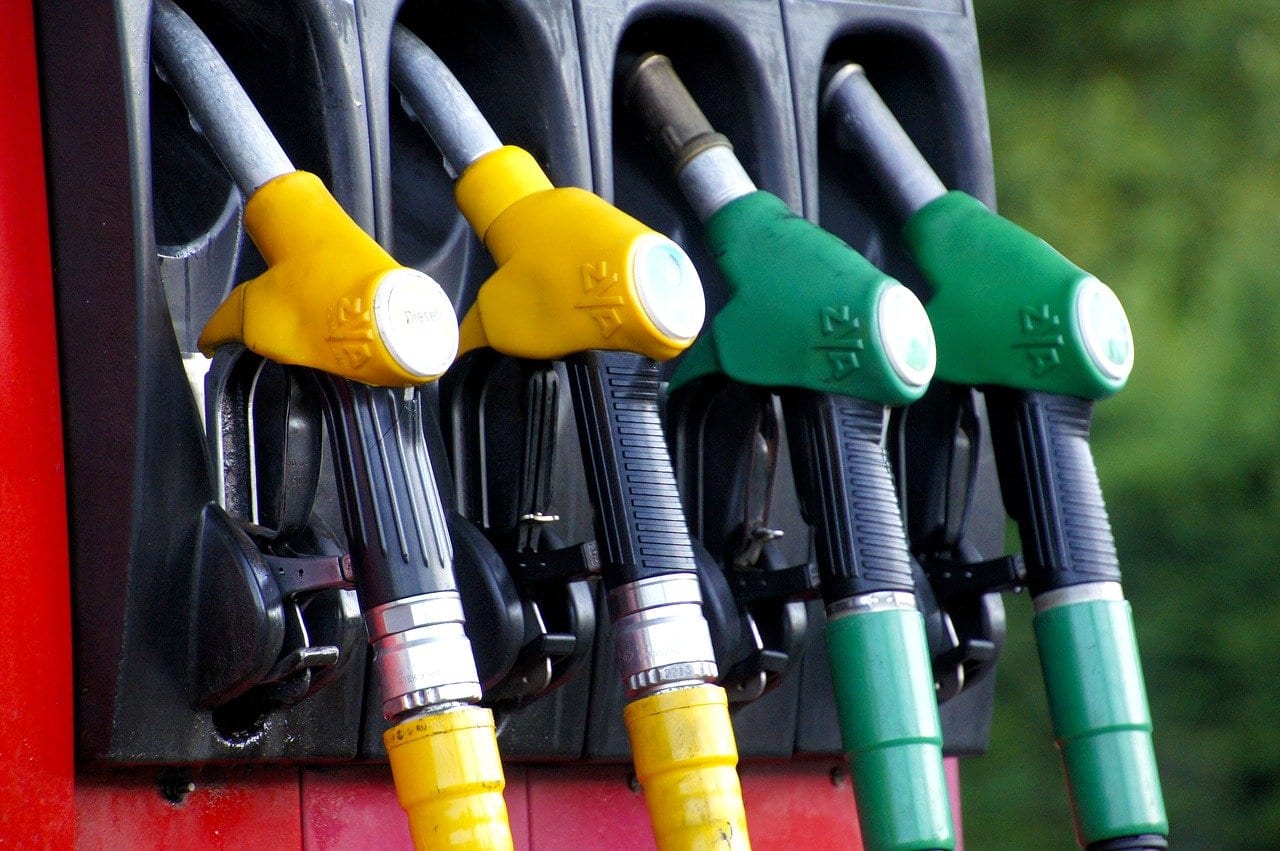

Kenyan motorists could face a petrol price of up to KES 231.68 per litre when the Energy and Petroleum Regulatory Authority (EPRA) announces its next pricing cycle on April 14. That would represent a KES 53.40 jump from the current pump price of KES 178.28 in Nairobi, making it the steepest single-month fuel increase the country has ever seen.
The warning comes from Martin Chomba, chair of the Petroleum Outlets Association of Kenya (POAK), who told Inooro FM on Tuesday that the expected increase could range between KES 30 and KES 60 per litre. The projection is based on a weighted average of fuel shipments that arrived at the Port of Mombasa between March 9 and April 10, the window EPRA uses to calculate the next set of pump prices.
Why now?
The current stability at the pump is, in essence, a time lag. EPRA’s March-April prices were calculated using February-priced cargoes, shipments that left the Middle East before the conflict between the US, Israel, and Iran escalated and before Iran effectively closed the Strait of Hormuz in early March. That strait carries roughly 20% of the world’s oil supply. Its closure triggered what the International Energy Agency has called the largest supply disruption in the history of the global oil market.
The fuel Kenyans have been buying over the past month was purchased at pre-crisis prices. The fuel arriving now was not.
Chomba pointed to Tanzania as an example of what is coming. The country recently raised fuel prices by more than 30%. Applied to Kenya, a similar 30% increase on petrol’s current KES 178.28 would land at roughly KES 231.68, which is exactly where POAK’s upper estimate sits.
Kenya’s reserve problem
Unlike countries such as Japan (254 days of oil reserves) or South Korea (208 days), Kenya holds no strategic petroleum reserve. The country imports 100% of its refined petroleum products, primarily from the Middle East under government-to-government agreements with suppliers like Saudi Aramco and ADNOC.
As of late March, Treasury Cabinet Secretary John Mbadi told Parliament the country held just 16 days’ worth of petrol, 19 days of diesel, and 49 days of kerosene. Pipeline stocks, Chomba noted, can cover 21 to 30 days at most.
“We do not have reserves,” Chomba said. “Today, we would have a big crisis if no ship docked at the Port of Mombasa.”
That timeline is uncomfortably tight. Kenya consumes roughly 255,000 metric tonnes of super petrol per month. A single delayed shipment could push the country into emergency supply territory within weeks.
The supply chain, briefly explained
When fuel arrives at Mombasa, it is offloaded into storage tanks managed by the Kenya Pipeline Company (KPC), government-owned facilities, or infrastructure left from the now-defunct Kenya Petroleum Refineries Limited. Despite sitting in government-managed tanks, the fuel remains the property of the importing oil marketing companies.
Before it reaches a petrol station, duties and taxes must be paid and clearance obtained from the Kenya Revenue Authority, a process that can take several days. This lag between fuel arriving in the country and fuel reaching the pump is one reason supply disruptions can feel sudden even when shipments have technically arrived.
Smaller rural retailers, who Chomba says account for about 68% of fuelling points and handle 40 to 45% of the country’s fuel throughput, are already reporting limited access to supply. In some areas, including Kirinyaga, fuel is sitting in storage but has not yet been released to retail stations.
The government’s position
Government Spokesperson Isaac Mwaura, speaking on April 3, pushed back on the alarm. “We do not, at the moment, consider increasing the prices in the next review,” he said, citing the arrival of a new consignment. “In the month of April, we have already received our next consignment. Usually, we are able to import eight shiploads of fuel, and we have a very good way of stabilising our supplies.”
The government has several tools available. EPRA already used the price stabilisation fund in the current cycle to absorb KES 6.53 per litre on diesel and KES 6.66 on kerosene. Treasury CS Mbadi has also floated a possible restructuring of VAT on fuel, shifting from the current 16% ad valorem rate (which rises with the price) to a fixed per-litre charge that would cap the government’s own contribution to price inflation.
But there are limits. Mbadi himself acknowledged that the KES 17 billion set aside for stabilisation would not be enough to fully absorb the shock if global prices remain elevated. And dealers have long complained that the government is slow to reimburse subsidy claims, making it risky for businesses to sell at artificially low prices.
A quality question, too
Chomba also raised concerns about the quality of some recent shipments, noting reports that certain cargoes may contain higher sulphur content than Kenya’s preferred standards. While such fuel is technically usable, it raises compliance questions and could affect vehicle performance. This comes against the backdrop of an ongoing scandal over billions of shillings worth of substandard fuel imports that has already led to the arrest of EPRA’s former Director General and a Petroleum Principal Secretary.
What to expect on April 14
EPRA is legally required to announce the next set of maximum pump prices on April 14, covering the period through to May 14. The calculation will reflect the landed cost of shipments discharged between March 9 and April 10, the first batch of fuel to carry the full weight of the Middle East crisis.
Whether the increase lands at KES 30 or KES 60 per litre will depend on how aggressively the government deploys its stabilisation tools, whether it proceeds with the proposed VAT changes, and how much of the cost it is willing to absorb on behalf of consumers. Either way, the era of KES 178 petrol appears to be over.