
Insights At a Glance:
- With the CA’s new TV upgrades from July 1, full HD becomes the new standard, with premium boxes supporting 4K-ready H.265/HEVC decoding.
- Subtitles, dual-language audio (Swahili + English), and cleaner sound via HE-AAC v2 are now mandatory.
- TVs and decoders must deliver smoother screen transitions and properly handle widescreen content out of the box.
It’s been almost a decade since Kenya switched from analogue to digital TV. Since then, your set-top box or integrated digital TV has probably done a decent job – giving you access to dozens of free-to-air channels, some better than others, some in frustratingly grainy quality.
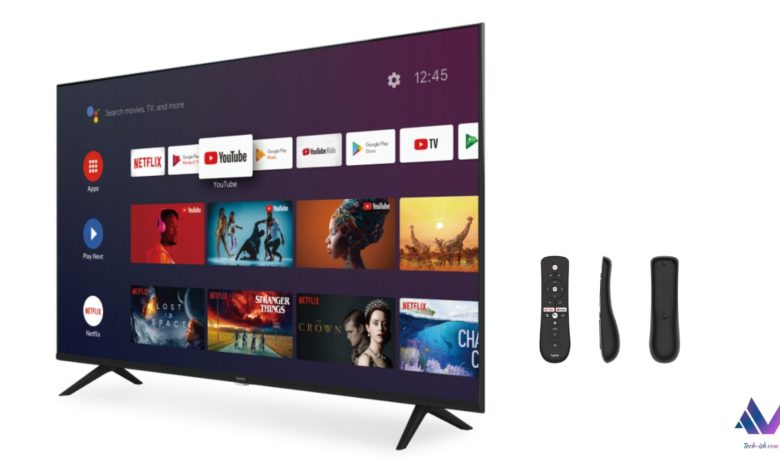
But now, a whole new wave of Minimum Technical Requirements for DVB-T2 Receivers first published by the Communications Authority of Kenya (CA) in November 2024, are here to ensure your TV keeps up. Starting July 1st, 2025, any new digital TV receiver sold locally will have to meet these fresh, forward-looking rules. These rules mandate that all new set-top boxes (STBs) and integrated digital TVs (iDTVs) in Kenya meet modern standards. And if you’re wondering what this means for you, the short answer is: your next TV or decoder is about to get smarter, sharper, and more satisfying to watch.
Between November 2024 and January 2025, the CA collected feedback from stakeholders like GOtv Kenya, Akili Network (the company behind Akili TV and one of Kenya’s most trusted family channels), and Pendo TV, but some features are non-negotiable. These mandatory upgrades — the good stuff, the fun stuff, the stuff that will actually make a difference — are what you’ll notice most, so let’s break them down.
Picture Perfect: Crisper, Sharper Video
Your TV’s visuals are getting a serious boost. All DVB-T2 receivers must now support H.264 video codec for standard-definition (SD) and high-definition (HD) content. This means your favorite Citizen TV news or KBC dramas will look smooth and vibrant. If you’re splurging on a fancy Ultra HD (UHD) receiver, you’ll get HEVC (H.265) support, unlocking 4K clarity for those jaw-dropping nature documentaries. Akili Network suggested making HEVC mandatory for all receivers, but the CA kept it optional for standard ones to keep costs low.

Everything Fits the Screen Now
Resolutions are also locked in. Standard receivers must handle everything from 576i (classic SD) to 1080p50 (full HD), while UHD receivers add 2160p for that 4K sparkle. Plus, your receiver will auto-adjust widescreen (16:9) or old-school 4:3 formats to match your TV, so no more stretched faces on screen. And here’s a cool bit: Active Format Description (AFD) ensures the picture fits perfectly, whether you’re watching on a sleek LED or your good old CRT. And if you want to manually adjust output resolution — maybe you’ve got a 720p projector or a 4K beast — you can do that too.
Sound That Pops: Crystal-Clear Audio
Audio’s getting some love too. All receivers must support MPEG-4 HE-AAC v2 for stereo sound, delivering crisp dialogue and punchy music with fewer bits. Akili Network cheered this move, noting it’s a big leap from the outdated MPEG-1 Layer 2. If you’ve got a home theater, multichannel receivers can down-mix or transcode to AC-3 or DTS for that cinema vibe. Optional support for MPEG-H Audio hints at next-gen surround sound, but it’s not mandatory—yet.
Language lovers will also love this one. Your receiver must offer English, Swahili, and original audio options for both audio and subtitles. Imagine watching a local show with Kiswahili subtitles or an international movie in its native tongue. The CA’s prioritizing accessibility, and stakeholders like Akili Network gave this a big thumbs-up.
Subtitles That Work Like a Charm
Speaking of subtitles, they’re now a must. Your receiver will decode DVB subtitles per ETSI EN 300743, complete with Display Definition Segment (DDS) support for sharp, readable text. A dedicated remote button will let you toggle subtitles on or off, perfect for catching every word in noisy households or for viewers with hearing needs.
Faster Channel Flipping? Yes, Please
One sneaky upgrade in the new spec is how your box handles channel switching. Gone are the days when flipping to KTN would freeze your screen or spit out distorted audio for two seconds. The CA now requires that the old picture freezes or blanks out cleanly while the new channel loads — making the whole process feel smoother and faster.
It’s a small change, but one you’ll feel every time you zap between stations.
So… What Do You Need to Do?
If you already have a working DVB-T2 box or digital TV, you don’t need to rush out and replace it. The changes only apply to new devices sold after July 1st. But if you’re in the market for a new box, TV, or digital receiver anytime soon, be on the lookout for ones that adhere to the CA’s new guidelines.
That’s your seal of assurance that the device supports everything we’ve just talked about — and more.







Join the discussion