
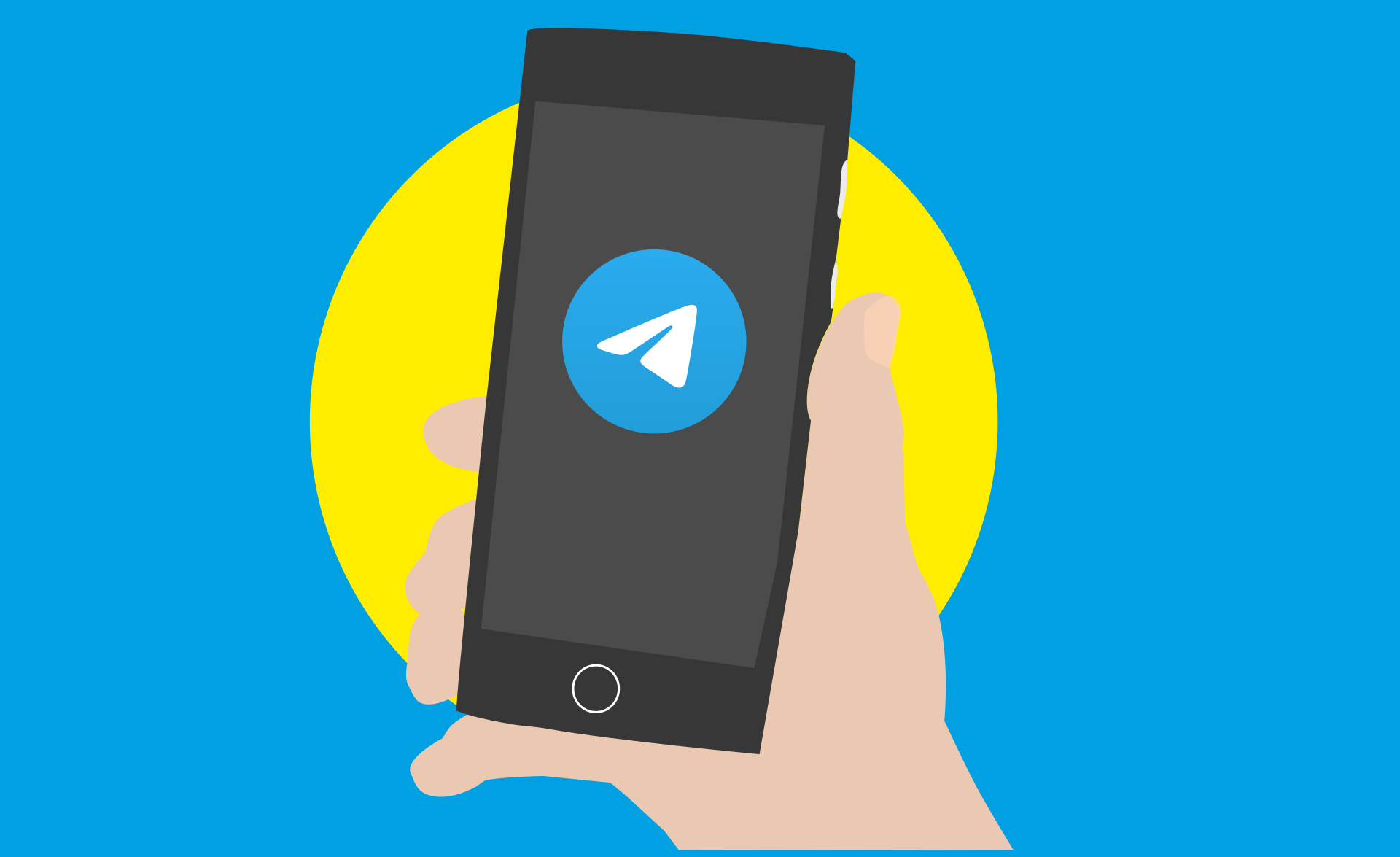

For the third year in a row, Kenyan authorities have apparently ordered internet service providers to restrict access to the messaging app Telegram, coinciding with the start of the Kenya Certificate of Secondary Education (KCSE) national exams.
On Monday, November 3, 2025, millions of users, primarily on the Safaricom network, found themselves unable to connect to the platform. Reports from the global internet observatory NetBlocks confirmed the restrictions, showing that various Telegram features, including its web interface and link shorteners, were “DOWN” with 0% reachability on Safaricom and heavily degraded (42-45% reachability) on Airtel.
The unofficial-but-obvious justification is to curb exam cheating, a persistent problem that has seen exam materials leaked via Telegram channels in the past.
But let’s be clear: this is not a proportionate technical solution. It is a wide-reaching, extra-judicial, and unconstitutional act of mass censorship. And it is part of a deeply alarming trend.
This is no longer a surprise; it’s an annual tradition of digital disruption. Tech-ish.com reported on an identical block in November 2024 and a similar “outage” in November 2023. What was once an anomaly is now established government policy, executed without warning, accountability, or a single shred of legal due process.
The Illegality of the Switch
This action is, by any reasonable interpretation of Kenyan law, illegal.
The Constitution of Kenya is unequivocal. Article 33 guarantees the freedom to “seek, receive or impart information or ideas.” Article 35 guarantees the right to access information. A blanket ban on a communication platform used by millions for business, media, and personal communication is a direct and severe violation of these rights.
Furthermore, where is the court order?
A measure this drastic, affecting a critical piece of public infrastructure, cannot be legally authorized by a simple letter from the Communications Authority (CA) or a backroom call to an ISP. Such an order must be public, transparent, and challengeable in court. Yet, none has been provided. This is the definition of an extra-judicial action. Digital rights groups, including KICTANet, have repeatedly sued over this very issue, as we covered in May 2025, arguing that these shutdowns are unconstitutional.
The Arrogance of Silence
Perhaps worse than the block itself is the deafening silence that accompanies it.
Millions of Kenyans – business owners who coordinate logistics, media houses that disseminate news, families that connect – were cut off without warning. Neither Safaricom, Airtel, the Communications Authority, nor the Ministry of Education has released a formal statement explaining the disruption, its legal basis, or its expected duration.
This silence is an act of contempt for the public. It treats citizens as subjects to be controlled, not as rights-holders to be informed. It also forces telcos like Safaricom and Airtel into a position of complicity, damaging public trust and leaving them to face the public’s anger, a sentiment we saw building during the June 2024 “Boycott Safaricom” movement. This pattern of telcos and the CA acting in lockstep without public oversight was a central topic of our June 2025 analysis.
The Precedent is Already Here
When the state normalizes shutting down the internet to stop a few cheaters, it builds the technical capacity and legal apathy to do it for any reason – specifically, to silence dissent. Why not work on shutting down all avenues where these exams leak?
It’s obvious that the line from the November 2023 Telegram block to the massive internet disruptions during the June 2024 Finance Bill protests is a direct one. The state tested its tools on students and, finding little resistance, deployed them against a nationwide political movement.
This is the slippery slope in action. It is the playbook of digital authoritarianism, which the 2025 Londa Report on digital freedoms warned about in detail. We are watching the government create precedents in real-time. First, they come for a single app during exams. Then slowly they will come for all critical communication platforms during protests or during elections, or whenever they feel like.
Who Authorized This?
The government must be held to account. We demand clear answers to simple questions:
- Who gave the order? Was it the Ministry of Interior, the Ministry of Education, or the Communications Authority? Why?
- Under what specific law was this mass shutdown authorized?
- Why was this disproportionate measure – affecting millions – deemed the only solution to stop a few hundred potential cheaters?
- And how do the exams leak in the first place?
This is not just about an app. It’s about whether Kenya is a country governed by the rule of law or by the arbitrary whims of state agencies.