
Earlier this year, MyDawa was riding high. The Kenyan e-health startup was selected by i3 to help transform pharmacy care in Africa, backed by heavy hitters like the Bill & Melinda Gates Foundation. In April, they announced ambitious plans to triple their footprint across Kenya and Uganda, supported by a massive funding injection.
The promise was simple: a “bricks and clicks” hybrid model that uses technology to make essential medicine accessible and affordable.
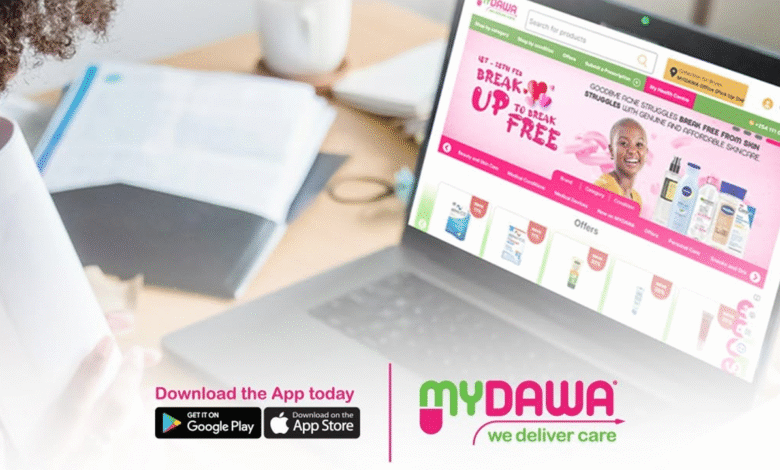
But fast forward to November 2025, and the reality for many users has been a glitchy nightmare. Following a major overhaul of their mobile app and website earlier this month intended to deliver a “smoother and faster shopping experience,” MyDawa seems to be suffering from a catastrophic migration that has left loyal customers frustrated, empty-handed, and questioning the platform’s future.
The “update” that broke the experience
Tech migrations are hard, but the reports coming from MyDawa’s user base suggest this was more than just a few teething problems.
According to a flood of reviews on the Google Play Store and complaints on X (formerly Twitter) and Instagram, the new app update effectively wiped user data for many. Long-time customers logged in to find their order history, delivery addresses, and wishlists completely erased.
One user on the Play Store noted:
"The new version is very buggy... on access I find out that other than my name and phone number... all of my information has been wiped. No order history, no delivery addresses. The UI is good but UX is pathetic."Another user, “Nicole,” lamented: “How is this app still rated 4? It keeps crashing when I try to order. It used to be perfect.”
While a UI refresh is often welcome, it appears MyDawa sacrificed functionality for aesthetics. Users report inability to save new addresses, carts clearing themselves upon logout, and payment gateways that fail to process Visa cards.
From inconvenience to health risks
While buggy software is annoying, MyDawa deals in essential health products, meaning these technical failures have real-world consequences.
Social media reports paint a grim picture of the last few weeks. We have seen complaints ranging from missing items in delivered packages to prescriptions taking days to fulfill, a dangerous delay for patients needing immediate medication.
One parent reported waiting nearly a week for baby medication and diapers, eventually being forced to buy elsewhere while MyDawa held onto their funds. Another user claimed to have ordered a Deep Heat spray for a sprained ankle with a promised “72-hour” delivery, only to have the rider call after they had already hobbled to a physical chemist to get treated.
Perhaps most concerning are isolated reports of product quality, with one user alleging a La Roche-Posay moisturizer purchased during Black Friday caused breakouts, raising fears of counterfeit stock, something MyDawa has historically prided itself on eliminating.
The “ghost” customer service
When technology fails, customer support is supposed to be the safety net. However, the common thread across all recent complaints is a total breakdown in communication.
Users attempting to resolve missing orders or request refunds report being “ghosted.” WhatsApp queries reportedly go unanswered for hours or receive bot-generated responses. Phone lines are described as either busy or rerouted to automated machines that offer no solutions.
As one frustrated user on Instagram put it: “The fact that @mydawa can see these complaints, are not responding, and are still blasting sale messages is honestly diabolical.”
MyDawa’s response
The company has acknowledged the issues, albeit quietly. In responses to Play Store reviews, the developer account admits they are “aware of the issues in the new version” and are “actively working to fix them.”
A new update was pushed on November 26, 2025, labeled as containing “critical bug fixes.” However, for many users who have been waiting over a week for refunds or medication, the trust may already be broken.
It is disheartening to see a platform that was celebrated for integrating manufacturing, telehealth, and diagnostics stumble so hard on the basics of e-commerce.
MyDawa’s recent funding and selection by the Gates Foundation-backed i3 program signaled that they were ready to scale. But scaling requires a robust technical backbone. If a simple app update cripples the ability to deliver medicine to sick children or track paid orders, it raises serious questions about the platform’s readiness for the expansion they promised back in April.
For now, if you are relying on MyDawa for urgent prescriptions, you might want to double-check that your order actually went through. Or perhaps walk to your local chemist until the dust settles.