

Update: February 27th 2026: Netflix has backed out.
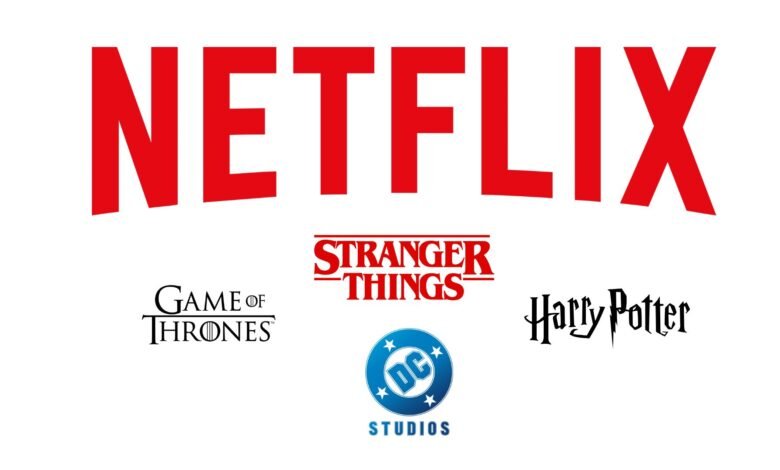
Netflix has signed a definitive agreement to acquire Warner Bros’ film and TV studios plus HBO/HBO Max from Warner Bros Discovery (WBD), in a cash-and-stock deal valuing the business at a total enterprise value of about $82.7 billion and equity value of $72 billion, or $27.75 per Warner Bros Discovery share. The agreement was announced on December 5, 2025, and is expected to close in 12–18 months, after Warner Bros Discovery spins off its Discovery Global cable networks into a separate public company.
For Netflix, this is not just more content. It’s a takeover of a century-old studio and a premium TV brand that shaped what “quality television” even means.
What Exactly Is Netflix Buying?
Under the deal, Netflix will acquire:
- Warner Bros’ film and TV studios, including labels like New Line and DC Studios.
- The HBO and HBO Max streaming business, with hits such as Game of Thrones, House of the Dragon, Succession, The Last of Us and more.
- A deep library of franchises and series from across Warner’s history – DC (Batman, Superman, Wonder Woman), Harry Potter, The Big Bang Theory, Friends, The Sopranos, The Wizard of Oz, and more.
What Netflix is not buying are the linear TV networks like CNN, TNT, TBS, Discovery Channel, and the rest of Discovery Global – those get separated into their own listed company before the Netflix deal closes.
Warner Bros Discovery shareholders will receive $23.25 in cash and about $4.50 in Netflix stock per share, adding up to that $27.75 value. Boards on both sides have unanimously approved the deal. Netflix says it plans to maintain Warner’s current theatrical releases and is targeting $2–3 billion in annual cost savings within three years of closing.
‘Too Much Power’: The Backlash
Hollywood’s reaction has been fierce. A group of prominent film producers has already lobbied the U.S. Congress to scrutinise and oppose the merger, warning of a potential “economic and institutional crisis” if Netflix becomes both a dominant buyer of content and owner of one of the biggest studios and premium streamers in the world.
Critics see this as another step in a worrying trend: fewer, bigger players controlling more of what gets made. After Disney–Fox, Amazon–MGM and the earlier AT&T–Time Warner saga, many in the industry fear that consolidation is squeezing out independent studios, narrowing creative options, and putting immense bargaining power in the hands of a few tech-driven giants. Commentators quoted in trade press have already described the Netflix–Warner tie-up as feeling like “the death of Hollywood as we knew it.”
There are also regulatory storm clouds. U.S. and European watchdogs were already edgy about Big Tech power; now they’re facing a company that will control both one of the world’s largest subscription platforms and one of its most prestigious movie and TV factories.
The Case for the Deal: Reach, Access, and the Nairobi Problem
Step out of Burbank and into Nairobi, and the picture looks different.
Netflix today is available in 190+ countries. In January 2016, at CES, it flipped the switch in 130 new territories in a single day, instantly covering most of Africa – including Kenya.
HBO Max, by contrast, has never gone global in the same way. Warner’s own help pages still describe HBO Max as available in the US, 39 territories in Latin America and the Caribbean, and 25 countries across Europe – not in Kenya.
So for a Kenyan fan, trying to watch Game of Thrones or Succession legally has meant:
- Scrambling for whichever regional platform temporarily licenses a few HBO series (e.g. Showmax in certain windows), or
- Dealing with VPNs, billing gymnastics, and apps that insist “this service is not available in your region.”
Netflix taking over HBO and the Warner library could fix this – if Netflix chooses to roll those shows out broadly, the same way it did with its own originals.
When Access Fails, Piracy Becomes the Default
The problem isn’t just HBO. Disney+ is still not officially available in Kenya, despite hosting the entire Marvel Cinematic Universe (MCU) library.
That means a Kenyan Marvel fan who wants to rewatch Infinity War, binge Loki or catch up on Ms. Marvel has no clean, official streaming route that mirrors what fans enjoy in Disney+ markets. The result is depressingly predictable: people gravitate to Telegram links, torrents, dodgy streaming sites, hard disks – because the legal door is basically shut.
Kenyan policymakers and industry groups openly describe film and TV piracy as “rampant”, estimating losses in the tens of billions of shillings across music, video and cinema. Similar patterns show up across Latin America and other regions where legal options are scarce or overpriced.
From that vantage point, consolidation under a globally available platform isn’t automatically a villain move. If Netflix uses its reach to make HBO and Warner titles available day-and-date in regions like East Africa, it could give millions of viewers their first realistic chance to watch this content legally, reducing the incentive to pirate.
Streaming Has Become the New Cable – Can One Bigger Library Help?
There’s another tension here: streaming fatigue.
In markets like the U.S., households now spend around $70 a month on streaming services, up sharply from a year earlier, and more than half of streamers subscribe to three or more platforms. Analysts and trade press have been calling this “the new cable bundle” or “Cable 2.0” for a while – too many apps, too many bills, not enough time.
The Kenyan version of that story is quieter but familiar. Recent comparisons show that paying for Netflix, Showmax and Prime Video together can easily exceed KES 2,400 per month – a serious cost for most households.
From Nairobi to Hollywood: Cautious Optimism
Seen from Nairobi, this deal is both terrifying and exciting.
Terrifying, because yet another giant tech company will control even more of what we watch, how it’s funded, and which stories survive a quarterly earnings call. Exciting, because for once, a mega-merger could actually improve access for the countries that have been sitting outside the golden circle of U.S. and European streaming launches.
The questions now are brutally simple:
- Will Netflix put the full HBO/Warner library on its service in markets like Kenya – not just a curated trickle?
- Will pricing stay within reach for households that already feel stretched by multiple subscriptions?
- Will Netflix respect theatrical windows and creative risk, instead of turning everything into algorithm-friendly content?
If the company lives up to its own mission “to entertain the world” and uses this deal to flatten the access gap between Nairobi, New York and New Delhi, it could genuinely reduce piracy and give fans legal, timely access to the stories they love.
If not, we may simply end up with a bigger, more expensive gatekeeper – and even more Kenyans heading back to the high-seas of piracy while Hollywood congratulates itself on “consolidation”.