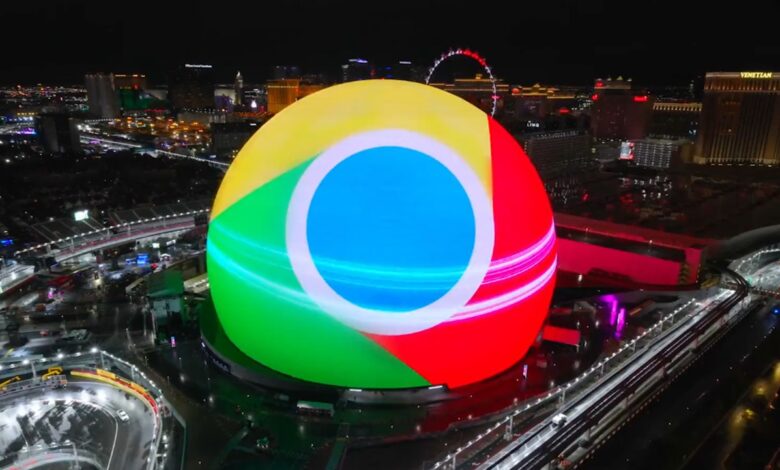

After nearly four years of development, Google is finally rolling out native HTTP Live Streaming (HLS) playback to Chrome on desktop with version 142 and newer, a major upgrade that’s also arriving on Microsoft Edge and other Chromium-based browsers.
The change means that opening a .m3u8 link in Chrome or Edge no longer triggers an automatic file download. Instead, the stream now plays directly in the browser, just like it already does on Chrome for iOS and Android. For developers, creators, newsrooms, and anyone who handles live streams or adaptive video feeds, this closes one of the longest-standing gaps between desktop Chrome and the rest of the ecosystem.
The feature first surfaced publicly in mid-2025 when Windows Report spotted a Chromium Gerrit entry referencing a new flag — ENABLE_HLS_DEMUXER — which hinted at internal testing of a built-in HLS player. At the time, enabling the flag in Chrome Canary successfully unlocked native playback, confirming that Google was actively preparing wider support.
HLS, originally developed by Apple, remains one of the most widely used streaming protocols across services like YouTube, Netflix, and countless live TV platforms. It works by splitting a stream into small segments referenced inside an .m3u8 playlist, allowing efficient adaptive bitrate streaming and lower bandwidth consumption compared to serving full MP4 files.
Before today’s rollout, desktop Chrome users had to rely on extensions like Native HLS Playback, Inline HLS Player, and others — some with 100,000+ installs — to play these streams. The native support now eliminates that dependency entirely.
Beyond convenience, HLS has several real-world advantages:
- Adaptive streaming: Playback adjusts automatically based on available bandwidth.
- Lower data usage: The browser fetches tiny video chunks instead of full files.
- Reliability: Each segment is delivered securely over HTTPS.
- Widespread compatibility: Supported across nearly all modern devices and streaming services.
With Chrome and Edge finally onboard, desktop browsers now match the mobile experience and the industry’s baseline expectations for modern video delivery.
Because this is a core Chromium update, the feature isn’t limited to Google Chrome. Microsoft Edge v142 and newer also ship with native HLS playback, and other Chromium browsers will implement it as they update to the same engine version.
This ensures that everyday users, journalists, developers, and streamers across all platforms—Windows, macOS, Linux, and ChromeOS—get the same seamless playback experience that mobile users have had for years.