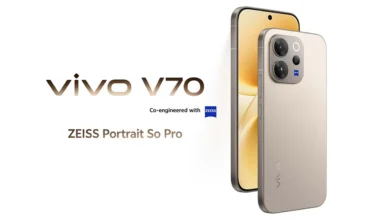



Realme officially ended its seven-year run as an independent smartphone brand in January 2026, returning to OPPO as a sub-brand amid brutal market conditions that saw OPPO decline 4% while rival VIVO posted modest growth. The consolidation signals something bigger: the era of cheap, innovative Chinese smartphones might be ending (– save for Transsion?).
The move, confirmed by BBK Electronics in early January, brings Realme back under OPPO’s operational control alongside OnePlus, creating a unified portfolio designed to weather component shortages and margin compression that have devastated mid-range smartphone pricing across global markets.
For consumers in Kenya, Nigeria, and beyond who’ve relied on Realme, OPPO, and VIVO for affordable but capable phones, this restructuring means fewer real choices, higher prices, and diminished innovation velocity in the budget-to-mid-range segment.
VIVO’s Quiet Victory: Regional Dominance While OPPO Stumbles
VIVO maintained exactly 8 percent of global market share throughout 2025, posting 3 percent year-over-year growth – the only meaningful performance among BBK Electronics’ portfolio. But these global numbers mask an exceptional regional story: in India’s Q3 2025 smartphone market, VIVO commanded 24 percent market share, leading all competitors by a significant margin.

VIVO’s dominance in India extended to shipment volumes as well, with the brand capturing 18.3% market share in Q3 2025, accompanied by a stellar 20.7% year-over-year unit growth. VIVO’s success stems from what Counterpoint Research identifies as “strong offline execution in India” combined with a “streamlined product portfolio that captured both high-value upgrades and resilient mid-tier demand.”
The brand’s premiumisation strategy – pushing consumers into higher-priced models – has proven more effective than competitors faced with margin compression. VIVO understands the offline retail ecosystem in India, Southeast Asia, and increasingly in Africa better than any competitor. This translates to channel dominance that online-centric rivals simply cannot replicate, creating a regional fortress that generates sustainable profits even as global smartphone growth remains anemic.
OPPO’s Undeniable Decline Forces Dramatic Restructuring
OPPO’s performance tells the opposite story. The brand dropped from 9 percent market share in 2023 to 8 percent in 2025, with a devastating 4 percent year-over-year decline in shipments in 2025. In India – the world’s second-largest smartphone market – OPPO has 13.9% market share in Q3 2025, significantly below VIVO’s leadership.
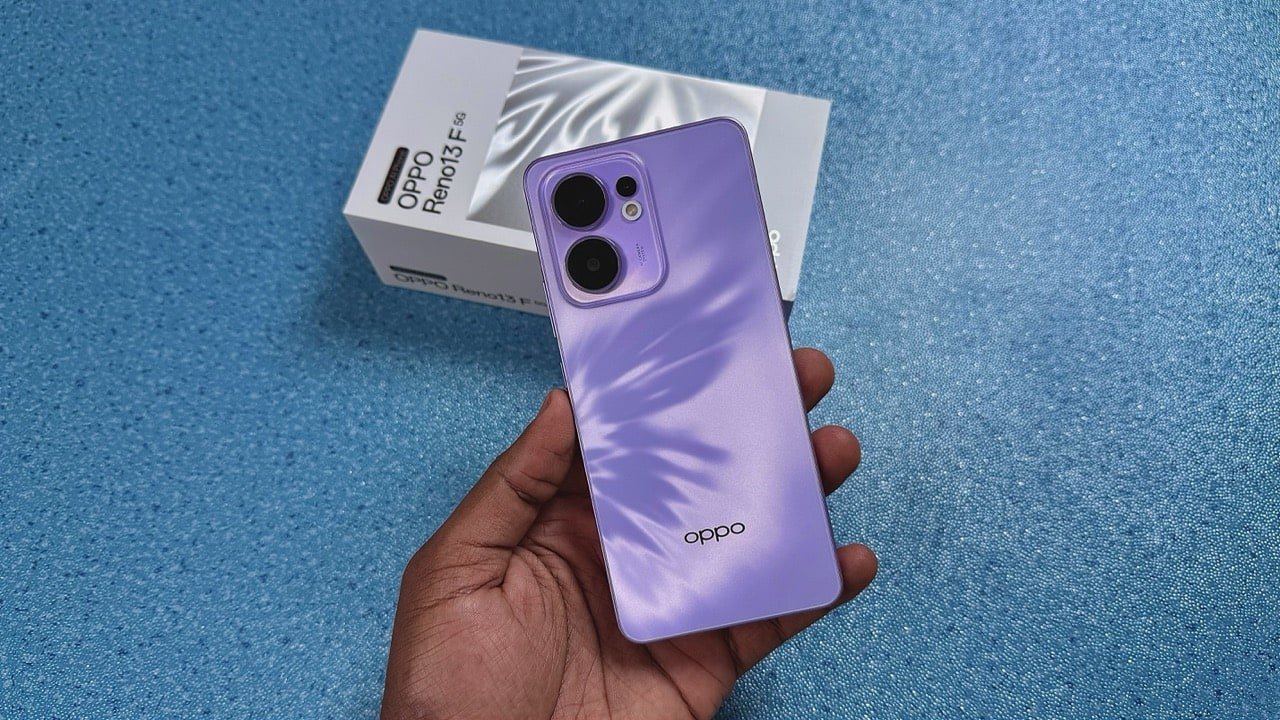
Counterpoint Research attributes OPPO’s struggle to “weak demand and fierce competition in its home market China and the Asia-Pacific. Though it grew in markets like India and the Middle East and Africa, that was insufficient to offset declines in other regions.”
The diagnosis is clear: OPPO’s brand, product strategy, and market positioning all failed to compete effectively against VIVO’s execution and Samsung’s established strength. Faced with continued decline, BBK Electronics made the strategic decision to consolidate rather than continue bleeding market share across multiple independent brands.
Realme’s Corporate Absorption: The End of Independence
Realme has essentially disappeared from standalone market reporting. The brand, which once marketed itself as the “disruptor” challenging OPPO’s authority, announced in January 2026 that it was returning to OPPO as a formal sub-brand. Once consolidated, Counterpoint projects the combined OPPO-Realme entity will command approximately 11 percent of global market share – taking fourth position globally.
According to Reuters reporting via The Star Malaysia, this move aims to “pool resources and cut costs for the two companies that share a parent firm.” This represents not just a strategic retreat but an admission of defeat. Realme’s independent operation became economically unsustainable amid component cost inflation, tightening margins, and fierce competition from established players.
For consumers, this means Realme’s product roadmap, R&D investment, and supply chain will now flow through OPPO’s corporate hierarchy rather than maintaining the agile decision-making that once defined the brand. Sky Li, who founded Realme’s independence and left OPPO to do so in 2018, now oversees the combined Realme-OnePlus operations as OPPO sub-brands—a role that’s simultaneously reassuring (experienced leadership) and concerning (centralised decision-making replaces autonomous operation).
Why VIVO Stays Independent While OPPO Consolidates Everything Else
VIVO’s decision to remain separate from the Realme-OPPO-OnePlus restructuring reflects its superior market position – particularly in India – where operational flexibility matters more than cost consolidation. VIVO’s offline channel strength and regional expertise would be undermined by integration into OPPO’s corporate structure.
The contrast reveals what actually works in 2025’s smartphone market:
- Regional dominance matters more than global presence. VIVO’s 24 percent market share in India beats every other brand. That regional fortress generates profits that diffuse global presence cannot.
- Offline channel mastery compounds advantages. VIVO’s offline retail relationships in India, Southeast Asia, and Africa create barriers that online-first competitors (including Realme at its peak) cannot overcome.
- Premiumisation while defending value territory. VIVO isn’t abandoning budget phones; it’s simultaneously pushing consumers into ₹30,000+ devices. This two-pronged strategy maintains market reach while improving per-unit profitability.
- Supply chain optimization beyond consolidation. VIVO achieves operational efficiency through regional supply chains and manufacturing partnerships rather than corporate consolidation that requires painful cultural integration.
The Price Crisis Hitting All Three Brands: RAM Shortages and Specification Cuts
Component cost inflation has created impossible choices for VIVO, OPPO, and Realme. RAM prices have been significantly impacted by the AI boom, with memory prices expected to surge by 30% in Q4 2025 and an additional 20% increase anticipated early next year.
Counterpoint Research warns that memory prices could escalate another 40% through the second quarter of 2026, causing bill of materials costs to rise anywhere from 8% to over 15% above current elevated levels.
As memory can represent 15-20% of the total bill of materials for mid-range devices, these surges translate directly to retail prices.
Manufacturers face an impossible choice: raise retail prices (and lose sales volume) or reduce RAM specifications (and weaken competitive positioning). Early 2026 product launches from OPPO, Realme, and VIVO show manufacturers choosing a third path: raising prices while making subtle specification cuts elsewhere – lower-grade storage controllers, previous-generation camera sensors, slightly weaker processors. The consumer gets a worse phone for more money.