For years, a specific segment of the tech community has been mourning the death of Windows Phone. We all remember the golden era of the Lumia series with great cameras, a fluid interface, and the promise of having a PC in your pocket. That dream died due to the lack of apps, but the desire for a phone that acts like a computer never went away.
Enter the NexPhone.
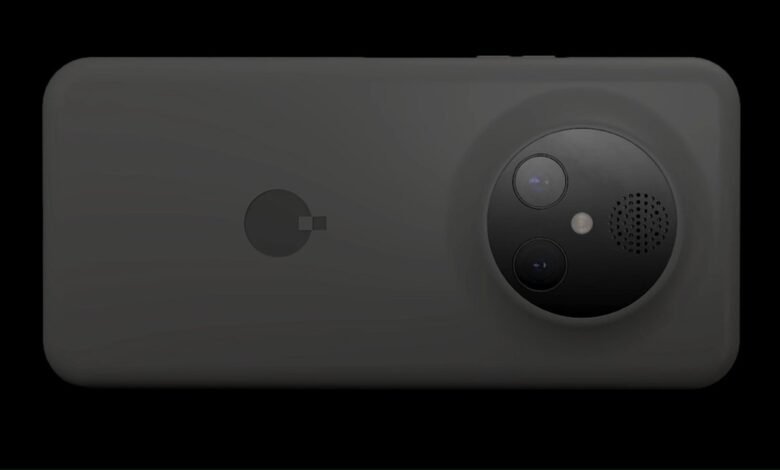
Announced by Nex Computer (the folks behind the NexDock lapdocks), this isn’t just another Android smartphone. It is a rugged, tri-boot device designed to answer a 14-year-old question: What if your phone was actually your only computer?
For those who have been waiting for the spiritual successor to the Lumia 950 XL, this might finally be it.
Windows 11 in your pocket
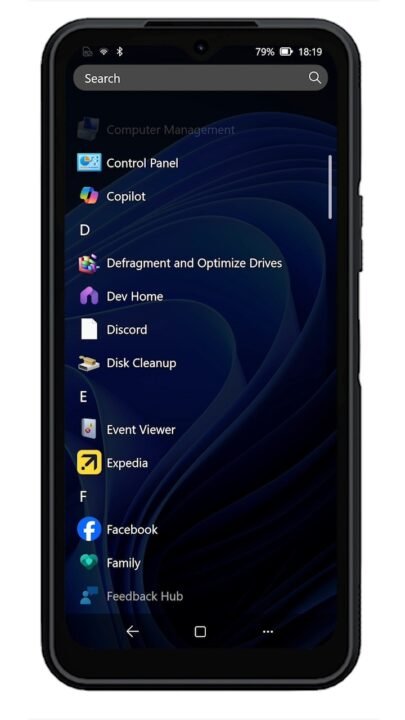
The headline feature here is undoubtedly Windows 11. Unlike the old Windows Phone OS which ran mobile-specific apps, the NexPhone can dual-boot into full desktop Windows 11.
This solves the biggest problem Microsoft faced: the “app gap.” You don’t need developers to build mobile versions of their software because this phone runs the real .exe desktop versions. Because Windows 11 isn’t designed for 6.5-inch screens, Nex Computer has built a custom “Mobile UI” wrapper. This makes navigating the Windows interface touch-friendly when you are out and about, giving you a handheld mini-PC experience.
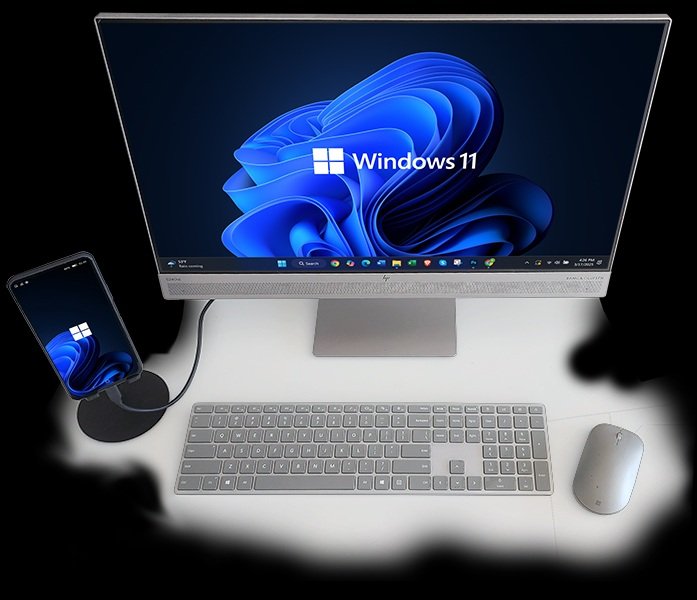
Connect the phone to a monitor (via the included USB-C hub), and the interface expands to a traditional Windows desktop. You can use a mouse and keyboard to run Excel, Photoshop, or full desktop Chrome exactly as you would on a laptop.
Android 16 and Linux
While Windows on a phone is exciting, we live in an app-first world. You still need WhatsApp, M-Pesa, Banking apps, and TikTok.
That’s why the NexPhone runs Android 16 as its primary daily driver. It offers a clean, bloat-free Android experience for your phone calls and social media.
For the developers and tinkerers, there is a third layer: Linux. The phone includes “NexOS,” which allows you to launch a full Debian Linux environment as an app without rebooting. It features GPU acceleration, meaning you can code, run terminal commands, or use Linux desktop tools right alongside your Android apps.
The specs: rugged utility over flashy design
Nex Computer isn’t trying to compete with the Samsung Galaxy S25 or iPhone 17 on thinness. They have opted for a “utilitarian” approach, prioritizing durability and port selection over glass backs.
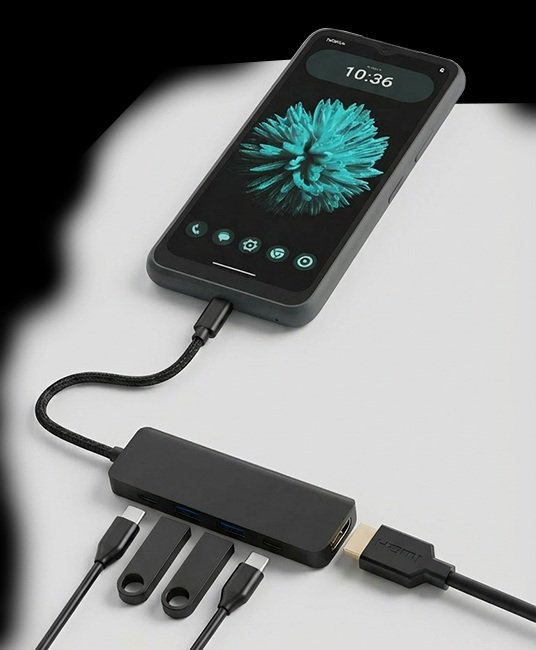
- Processor: Qualcomm QCM6490. This is an “extended-life” chipset (similar performance to a Snapdragon 778G) supported until 2036. It’s not a flagship gaming chip, but it’s a workhorse.
- RAM & storage: 12GB RAM and 256GB storage (expandable via microSD up to 512GB).
- Display: 6.58-inch FHD+ LCD, 120Hz.
- Battery: 5000mAh with wireless charging.
- Build: Polycarbonate with a non-slip rubberized finish. It is IP68/IP69K water and dust resistant and MIL-STD-810H certified. This thing is built to take a beating.
- Cameras: 64MP Sony IMX787 Main sensor + 13MP Ultrawide.
Pricing and availability
This is where it gets interesting for Kenyan buyers. The device is priced at $549 (approx. KES 71,000 before taxes and shipping).
However, patience is required. Nex Computer is a startup, and they are currently taking $199 refundable reservations to fund the tooling for mass manufacturing. This only applies to markets where the company has direct shipping, namely the US and Europe.
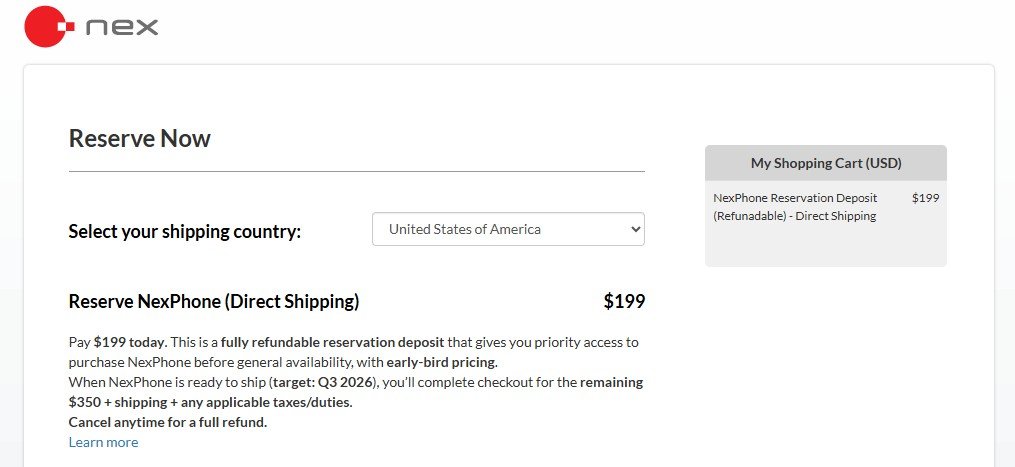
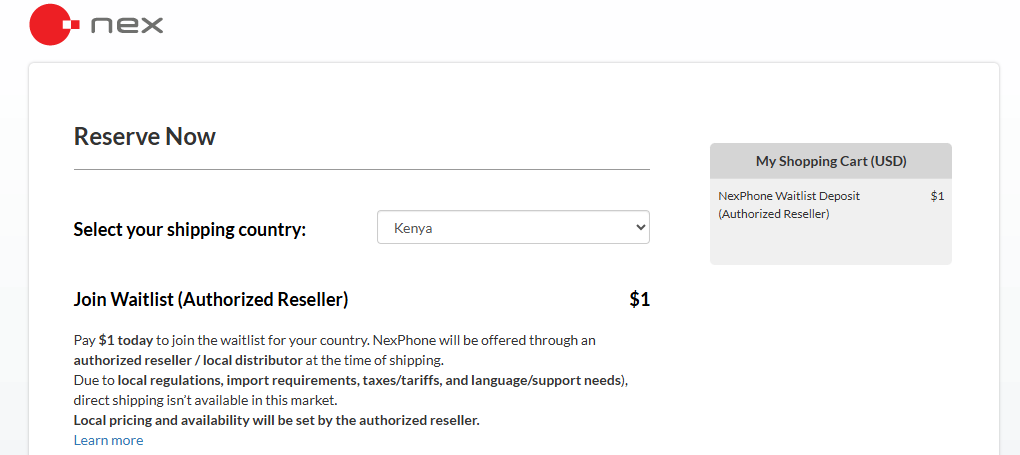
Selecting the Kenyan option (or pretty much all of Africa, Asia, and South America), for instance, lowers this figure to just $1 pending approval of an authorized reseller. The target shipping window is Q3 2026.
The NexPhone is likely not for the average user who just wants to take selfies. But for the die-hard Windows fan who misses the productivity of a Lumia, this is a fascinating device.
It promises to consolidate your digital life: Android for the phone stuff, Windows for the work stuff, and Linux for the dev stuff. If they can pull off the software integration smoothly, this should be an interesting phone.