
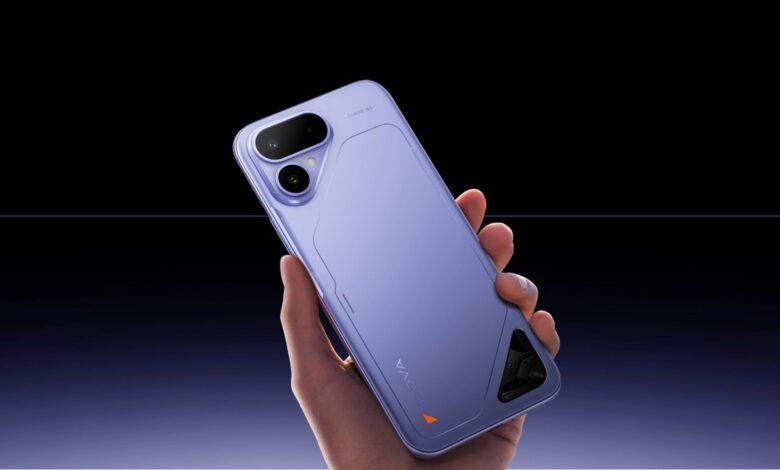

As 2026 gains momentum, smartphone makers are ramping up their usual pre-launch hype cycles. Samsung is preparing to unveil the Galaxy S26 series, while TECNO is lining up multiple releases across markets, including the CAMON 50 series and the POVA Curve 2 in parts of Asia.
Pre-launch advertising has always been central to this ritual. Teasers, cryptic taglines, and exaggerated feature demos are nothing new. However, two recent campaigns from Samsung and TECNO suggest that marketing teams may be stretching creative boundaries in ways that feel more uncomfortable than clever.
Samsung’s Galaxy S26 Ultra privacy display ad
The Galaxy S26 Ultra’s new privacy display feature is positioned as a practical solution to a real problem: shoulder surfing in public spaces. In Samsung’s ad, a user is seated on public transport, flanked by two passengers attempting to glance at the screen. The privacy display ensures that only the person directly in front of the device can clearly view the content.
So far, so good.
The twist comes with what is shown on the screen. The user appears to be reading a romantic novel, specifically a passage that reads: “Ronaldo made her body feel alive. He then caressed her hand with a gentleness that felt like…”. The implication is obvious. The ad leans into suggestive language to emphasize that the content being protected is intimate or potentially embarrassing. Apparently, the original video (below) was published on Weibo, China’s version of X.
From a feature demonstration standpoint, the message is straightforward: the privacy display protects sensitive content. But the choice of text shifts the tone. Rather than simply showcasing email, banking information, or confidential work documents, the ad frames the feature around erotically suggestive reading material.
Samsung may argue that this is a relatable scenario. People do consume personal content in public, and privacy features exist precisely for such moments. Still, the overtly sensual excerpt feels engineered to provoke attention more than to clarify utility. The result is a demo that risks overshadowing the technology itself with unnecessary innuendo.
TECNO’s POVA Curve 2 reverse charging ad
TECNO’s approach with the POVA Curve 2 takes a different route but lands in similarly awkward territory. The ad centers on the phone’s reverse charging capability. In the video, the Curve 2 powers up other devices via reverse charging, and those devices emit short, breathy, almost mourn-like sounds once energized.
The campaign appears to play on the phone’s “curves,” however, the audio cues and framing strongly suggest a double entendre. The exaggerated sounds turn what could have been a straightforward hardware highlight into something more suggestive.
Reverse charging is a practical feature. It allows users to top up accessories or even other phones in a pinch. But instead of emphasizing convenience, battery capacity, or real-world scenarios, the ad leans into sensory theatrics. The result feels less like a technology demo and more like an attempt to generate viral buzz through shock value.
Marketing in a crowded smartphone landscape
Smartphone marketing has become increasingly difficult. Flagship differentiation is narrowing, midrange competition is intensifying, and attention spans are short. Brands are under pressure to create campaigns that stand out across social platforms.
In that context, it is not surprising that creative teams experiment with humor, exaggeration, and edgier themes. However, there is a fine line between memorable and cringe-inducing. When suggestive undertones become the focal point, the product risks becoming secondary.
Both ads attempt to dramatize legitimate features. The Galaxy S26 Ultra’s privacy display addresses screen visibility in public settings. The TECNO POVA Curve 2’s reverse charging and curved design are tangible hardware traits. Yet in both cases, the storytelling pivots toward sexualized cues that feel disproportionate to the features being promoted.
For brands operating in diverse markets with varying cultural sensitivities, this approach can be particularly risky. What reads as playful or cheeky in one region may come across as inappropriate or tone-deaf in another.