
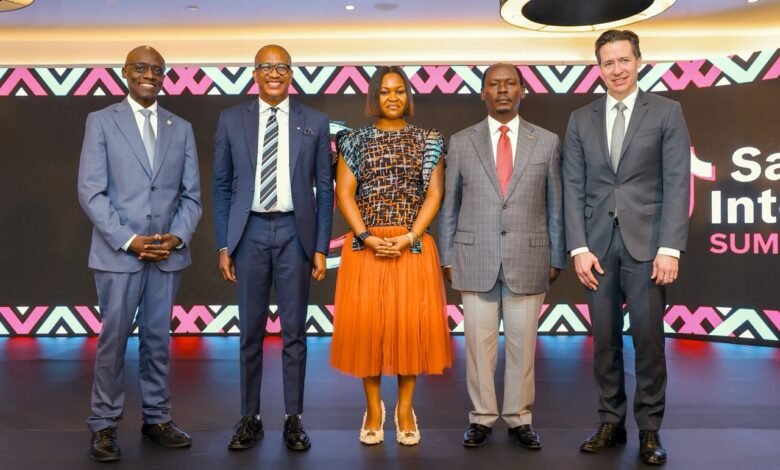

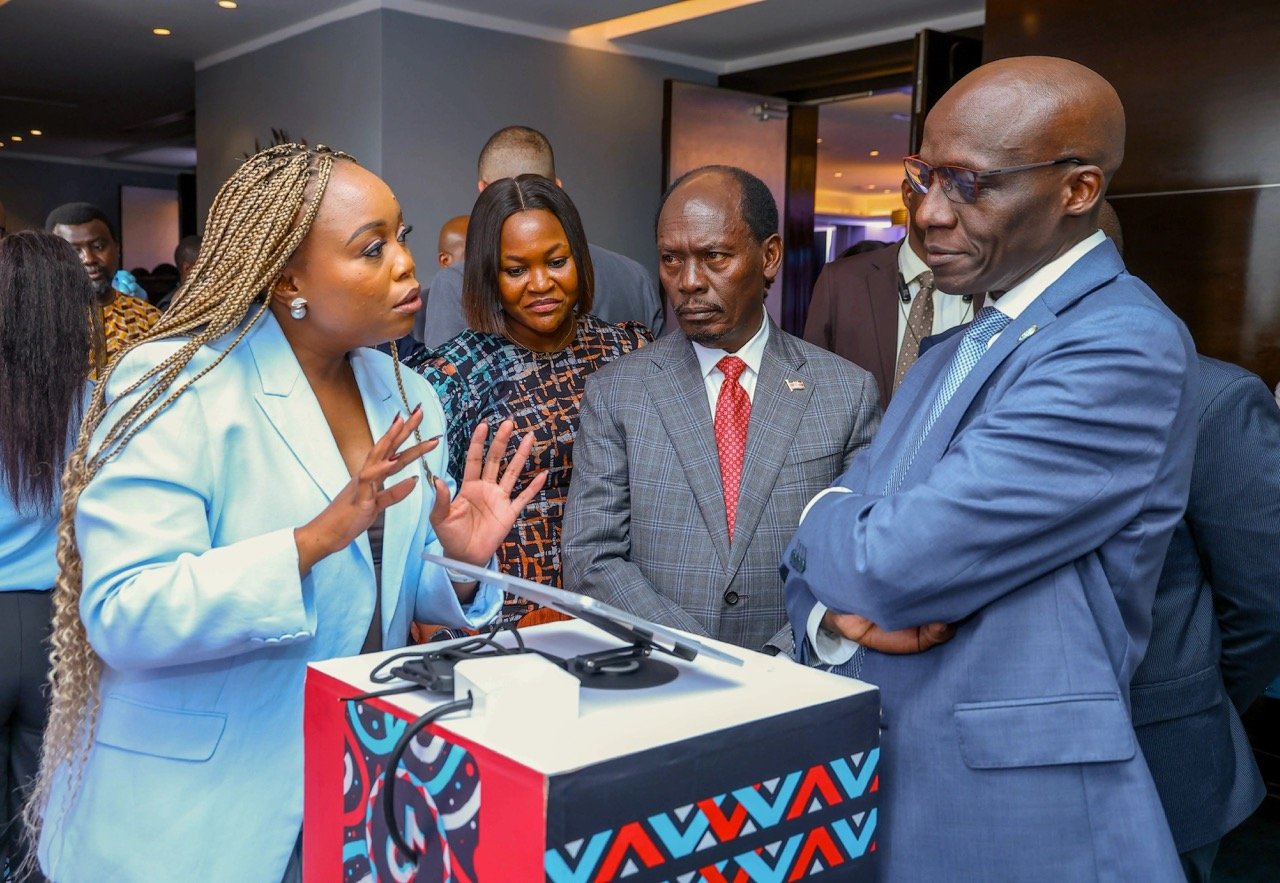
TikTok has officially hosted its third annual Sub-Saharan Africa Safer Internet Summit in Nairobi, Kenya, on 10 March 2026. Running under the theme #SaferTogether: ‘Innovation and Safety’, the two-day event brought together government officials, regulators, industry leaders, and online safety partners. This marks a significant expansion of a summit series that kicked off in Ghana in 2024, moved to Cape Town last year, and has now returned to Nairobi, the city where TikTok first launched its industry-first Sub-Saharan Africa Safety Advisory Council.
According to Tokunbo Ibrahim, TikTok’s Head of Government Relations and Public Policy for Sub-Saharan Africa, the mission of the summit is “to share learnings, insights, tackle common challenges and collaboratively advance actionable solutions that protect citizens online” by building an all-inclusive conversation.
Kenya’s Cabinet Secretary for ICT, Hon. William Kabogo, officially opened the gathering, noting that embracing the digital era requires protecting people by advancing “digital innovation, responsible AI governance, and strong regional partnerships”. Notably, South Africa’s Deputy Minister in the Presidency, Kenny Morolong, also attended and participated in content moderation sessions; a signal that this is a genuinely pan-African diplomatic event, not merely a Kenya-centric one.
Understanding the Investment
A central announcement from the summit was an additional $200,000 (roughly KES 25.8 million) investment to help local organisations in Sub-Saharan Africa expand AI media literacy. Understanding the structure of this commitment is crucial for grasping its real-world impact.
The funding is specifically allocated as ad credits, and not direct operational cash. This is a strategic allocation: by leveraging its massive platform reach, TikTok provides these organisations with visibility to promote their campaigns to millions of users.
This regional push builds directly on the company’s $2 million AI Literacy Fund launched globally in November 2025, which supported over 20 organisations to help boost public understanding of AI.
In Sub-Saharan Africa, TikTok is supporting three key organisations through this initiative:
- Mtoto News: A Kenyan digital media company centred on children and adolescents, creating educational content to help young people engage responsibly with AI.
- Africa Check: Expanding its fact-checking operations across Kenya, Nigeria, and South Africa to equip audiences with tools to identify AI-generated misinformation and deepfakes.
- CJID / DUBAWA: The Centre for Journalism Innovation and Development, an African think tank, utilising its independent fact-checking platform (DUBAWA) to combat information disorder in public discourse.
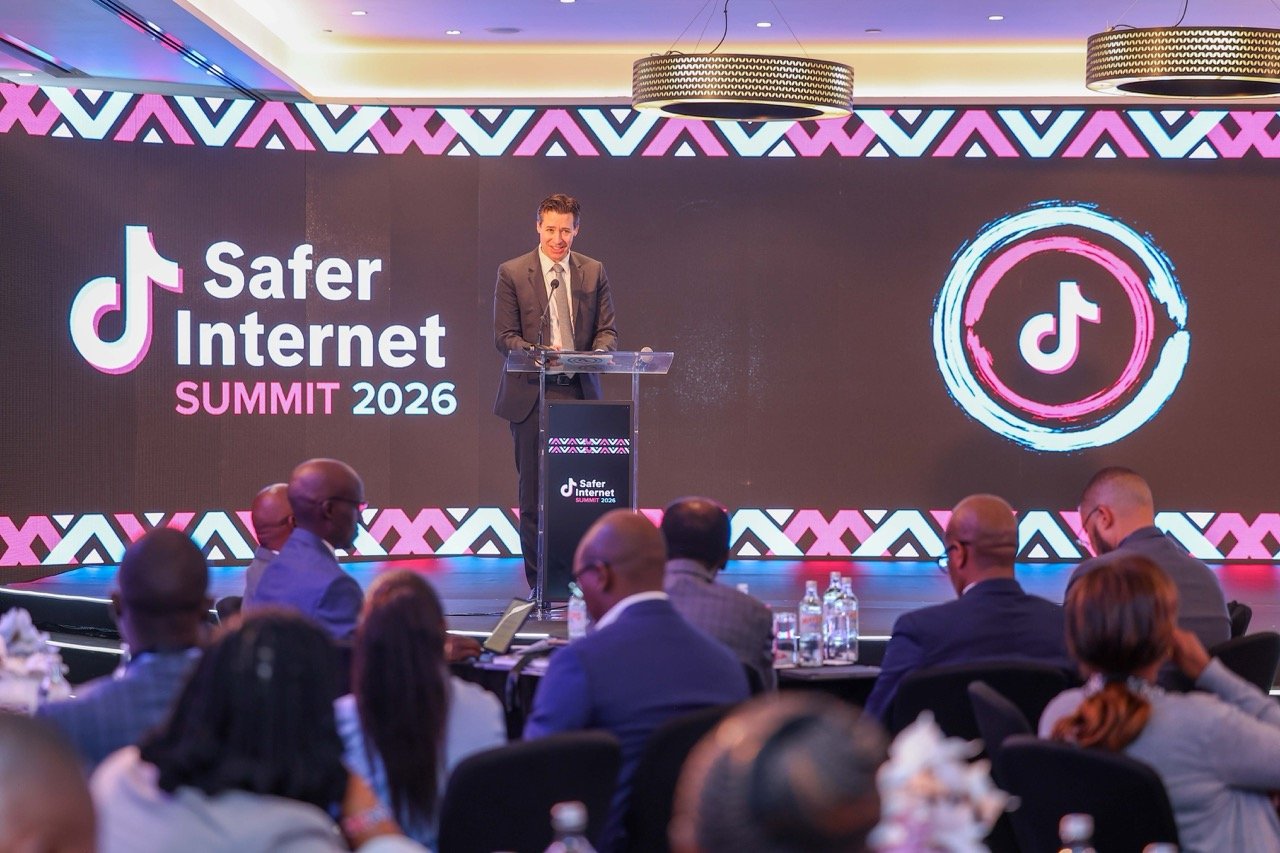
Valiant Richey, Global Head of Partnerships, Elections & Market Integrity at TikTok, states that partnering with trusted, established local organisations is essential “because their expertise and deep local connections are essential to making AI literacy programs truly impactful”.
This investment is not TikTok’s first Africa-focused safety fund. At the 2024 Nairobi summit, TikTok announced the expansion of its $2.3 million global Mental Health Education Fund to Sub-Saharan Africa for the first time, selecting SADAG (South Africa), Mentally Aware Nigeria Initiative, and Mental360 (Kenya) as the first African recipients. Taken together, the mental health fund, the AI literacy credits, and the fact-checking partnerships paint a layered picture of TikTok’s regional strategy; one that is gradually expanding from reactive content enforcement into proactive public education.
The Moderation Challenge
That public education push exists because the underlying content challenge is growing faster than most realise. TikTok processes over 100 million pieces of content daily , and AI now powers not just its recommendation system but its frontline content moderation.
According to the platform’s latest Community Guidelines Enforcement report for Q3 2025, TikTok removed over 14 million videos across Sub-Saharan Africa in just that quarter, with 96.7% of those detected and removed proactively, before any user reported them. But the more telling story is the trajectory: TikTok removed 7.5 million videos in Sub-Saharan Africa in Q3 2024, and 8 million in Q4 2024. By Q3 2025, that figure had nearly doubled to 14 million. That’s a near-100% increase in removals in just 12 months. This is not simply a reflection of a growing platform; it reflects a rapidly intensifying content moderation challenge across the region.
It is also worth noting that TikTok’s transparency data extends beyond Sub-Saharan Africa. In North Africa alone, the platform removed over 7 million videos in H2 2024, underscoring that the moderation burden across the entire continent is substantially larger than any single regional summit can fully address.
A 96.7% proactive removal rate is an impressive engineering feat, but it consistently raises industry-wide questions about false positive rates, especially when navigating the rich, nuanced dialects and urban slang (like our own Sheng’) found across the continent. A system optimised for English and Mandarin flagging patterns does not naturally translate to the layered irony of Nairobi street slang or Pidgin humour in Lagos.
The challenge compounds further when AI-generated content enters the mix. As synthetic media becomes harder to distinguish from authentic posts, the risk of misclassification, either removing legitimate creative expression or failing to catch a well-crafted deepfake, grows significantly. To address this, TikTok requires creators to label realistic AI-generated content (AIGC). The platform also highlighted its partnership with the Coalition for Content Provenance and Authenticity (C2PA) and the use of Content Credentials alongside invisible watermarking.
These tools make it easier to track and label AI-generated media across the content ecosystem, giving moderators more reliable signals to work with, regardless of language or cultural context.
Scrutiny
The summit’s optimistic tone exists alongside a more complicated global picture; and that tension is worth naming directly. In October 2025, the European Commission preliminarily found TikTok (and Meta) in breach of its Digital Services Act obligations, specifically for failing to provide researchers with adequate access to platform data, the very type of transparency TikTok publicly commits to.
Beyond the EU, TikTok quietly revised its global data-sharing policies in 2025 to broaden when user data can be shared with “regulatory authorities”. For African users operating in markets where data protection legislation is still maturing, and where government overreach is a documented concern, these changes carry particular weight.
None of this negates the genuine value of what TikTok is building in the region. But it does mean that the commitments made in Nairobi this week should be read alongside the platform’s full transparency record, not just its press releases.
The summit concluded with commitments from attendees to continue advancing digital safety initiatives across Sub-Saharan Africa. The ambition is clear, the investment is real, and the partnerships are credible. Whether the systems, the funding structures, and the transparency practices behind the scenes fully match the public narrative is a question the platform’s own quarterly data will continue to answer, or complicate, in the months ahead.