
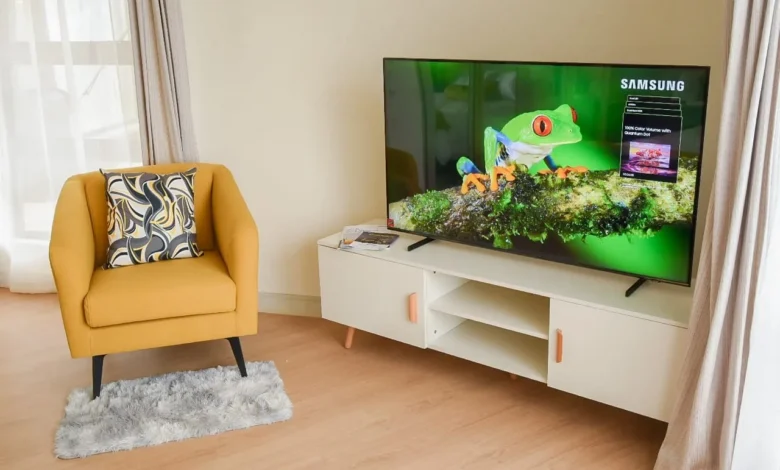

For years, the “smart home” has been a fragmented concept; a collection of standalone devices that required more manual management than actual assistance. However, Samsung is signalling a major shift for 2026. Under the banner of “AI for All,” the tech giant is reimagining the home from a passive physical space into a dynamic, responsive environment.
According to their latest release, the Internet of Things (IoT) has crossed the threshold from futuristic concept to everyday reality. By deeply integrating their mobile innovations with the new Bespoke AI home appliances, Samsung claims to have built a seamless ecosystem where technology proactively assists rather than just existing.
Let’s break down the core claims of this hyper-connected vision and what it means for consumers in the region.
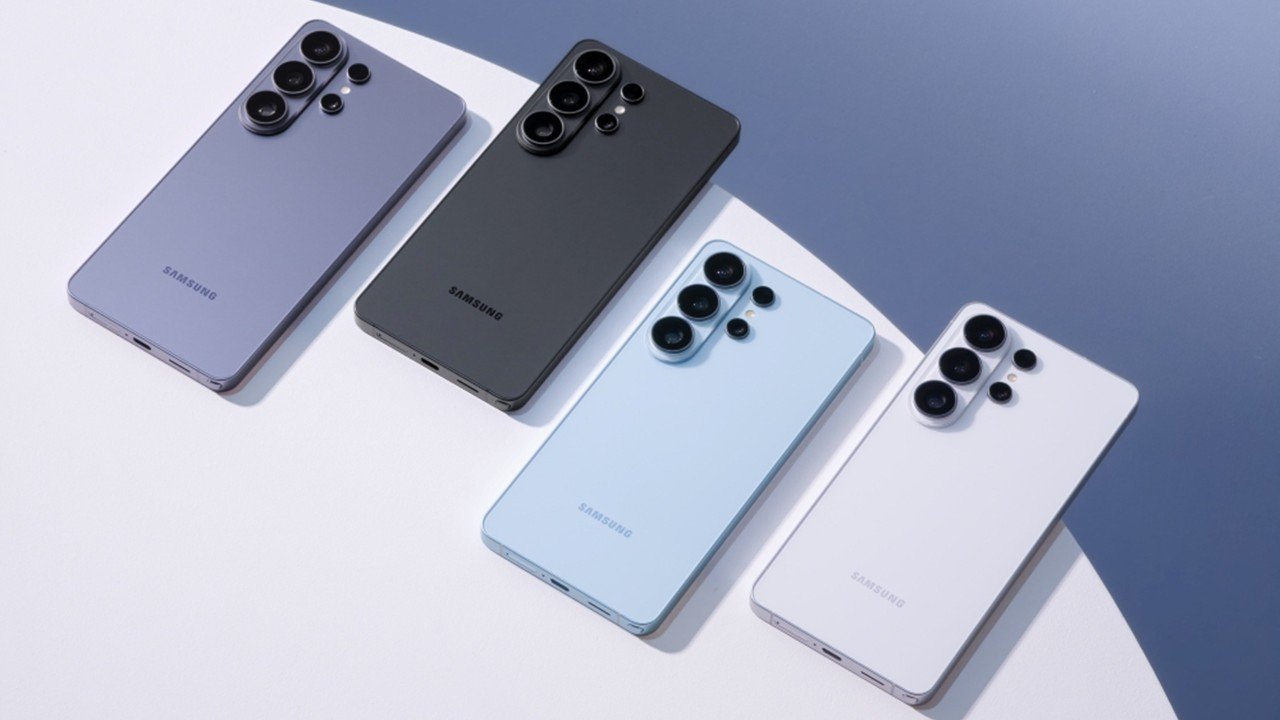
The Galaxy S26 and “Truly Agentic AI”
At the heart of this interconnected pitch is the Galaxy S26 series. Samsung is aggressively positioning the smartphone as more than just a communication device; it is now the “conductor” of the entire household.
Operating through the SmartThings platform, the device relies on what Samsung calls “Truly Agentic AI.” This means the phone is designed to understand and anticipate your daily routines without needing manual prompts.
The Stated Scenario: If you are heading home from a meeting, your S26 detects when you are exactly 15 minutes away. It then autonomously signals your WindFree Air Conditioner to begin cooling the living room to your preferred temperature, ensuring the environment is perfect the moment you walk through the door.
From Smart Appliances to “Home Companions”
Samsung’s strategy extends into the most chore-heavy rooms of the house: the kitchen and the laundry room. The goal here is to remove the mental load of daily household management through heavy synchronisation.
- The Kitchen Ecosystem: The Bespoke AI Family Hub refrigerator is being marketed as a “culinary advisor.” Using a feature called AI Vision Inside, it visually identifies the ingredients you have stored, tracks their expiration dates, and suggests matching recipes. When a user selects a recipe via their smartphone, those instructions are automatically pushed to the Bespoke AI Oven, which preheats to the exact required temperature.
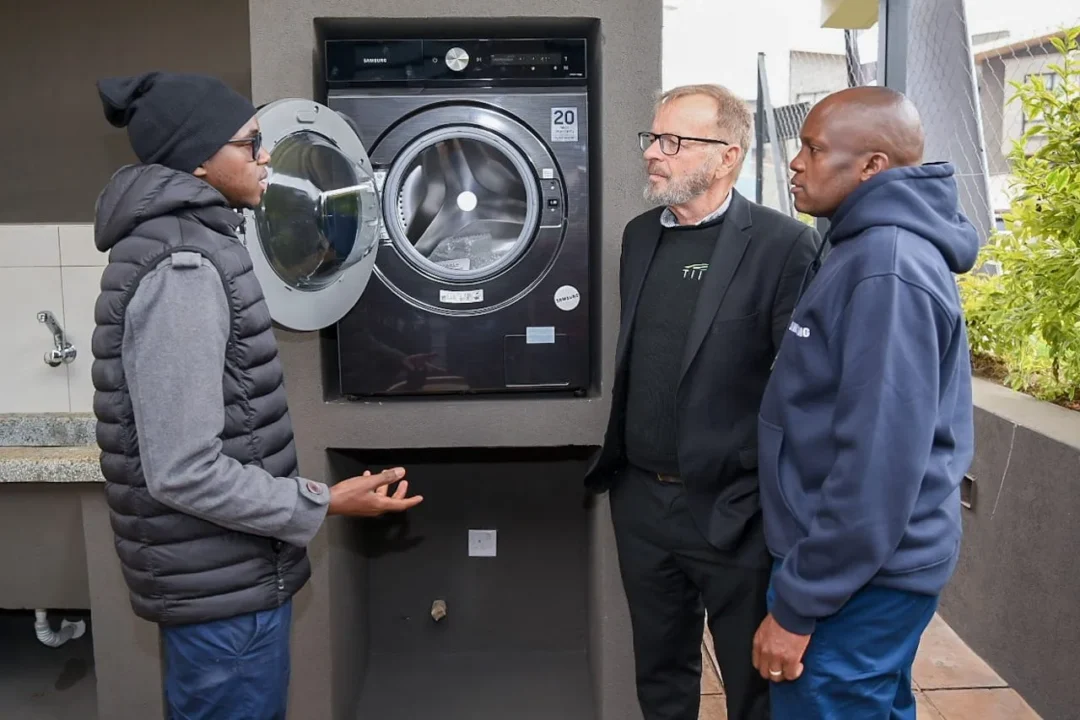
- The Laundry Ecosystem: In the laundry room, the Bespoke AI Laundry Combo removes the guesswork from washing clothes. It utilises internal sensors to detect both the weight of the fabric and the soil levels, automatically adjusting the water and detergent usage for that specific load.
Sustainability and the Open Ecosystem
For the East African market, connectivity must make financial and environmental sense. Samsung highlights AI Energy Mode as a cornerstone of this new ecosystem. By monitoring energy usage in real-time through the SmartThings app, the system aims to optimise power consumption without compromising appliance performance, a vital feature for a region pushing for digital transformation and green energy adoption, while consumers look to save on utility costs.
Furthermore, Samsung is addressing one of the biggest historical flaws of the smart home: hardware lock-in. By embracing Matter, a universal global standard for smart home connectivity, Samsung is ensuring an “Open Ecosystem.” This means users should theoretically be able to integrate non-Samsung devices into this interconnected life. Finally, the entire data-sharing process between the phone, cloud, and appliances is secured by Samsung Knox, keeping home data private.
Takeaway
Samsung posits a vision of a bold, genuinely frictionless future. The transition from reactive IoT (pressing a button on an app to turn on a device) to proactive Agentic AI (the house preparing itself based on your location) is a significant technological leap.
However, achieving this “seamlessly connected” reality requires consumers to heavily buy into the top-tier Bespoke appliance ecosystem and rely on constant, stable connectivity between their mobile devices and their home networks. It is an impressive standard for the future of living, setting a high bar for what a truly integrated smart home should look like in 2026.