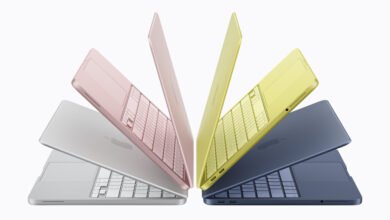


Last week, I threw out what I knew would be a controversial take: the MacBook Neo wouldn’t just sell well, it would force Windows laptop makers to rethink their pricing. The reaction was immediate. Thousands of engagements later, the conversation made it clear that a lot of people have been waiting for this exact moment.
Now, a couple of weeks after launch, the early signals suggest that this wasn’t just a hot take. It’s playing out in real time.
Let’s start with the obvious. MacBook Neo is selling faster than Apple can make it. Delivery windows have already slipped into April across multiple configurations, with some models unavailable both online and in physical stores. That kind of demand backlog is something we typically associate with iPhones, not Macs.
And then there’s what Tim Cook just confirmed: Apple has recorded its best-ever launch week for first-time Mac buyers. He didn’t name the Neo directly, but let’s be honest, we all know what’s driving this.
See, for years, I’ve watched from the sidelines, admiring the MacBook. Like many Kenyans, I have always wanted one, but the exorbitant price tag has been a massive, insurmountable barrier. I don’t need crazy, over-the-top specifications for the lightweight writing and editing work I do daily. Still, I absolutely crave the reliable, all-day battery life that Windows laptops have consistently failed to deliver over the years. I’ve always wanted to experience firsthand what makes people fall in love with the Mac, but I couldn’t justify the cost.
With the release of the MacBook Neo, the game has officially changed. Apple finally has a Mac that I and countless others can happily and justifiably afford. This explains why Apple hasn’t caught up to the Neo’s demand yet.
At $599 (and even lower for students), Apple has finally dropped into a price bracket that feels psychologically attainable. Not just in the U.S., but globally, including here in Kenya, where pricing sensitivity is real and unavoidable.
Windows laptops had this coming
Here’s the uncomfortable truth for OEMs. Many Windows laptops in the midrange have been overpriced for what they deliver. You’d spend good money and still deal with mediocre battery life, inconsistent build quality, and performance that degrades faster than expected.
Meanwhile, Apple sat comfortably above that price range, offering a better experience but at a cost most people couldn’t justify. The MacBook Neo disrupts that balance.
Now, for roughly the same price as many midrange Windows machines, you get Apple silicon efficiency and the battery life that comes with it, a tightly integrated ecosystem for those with iDevices, and long-term software support.
That’s not just competitive. It’s disruptive, and we’re already seeing the numbers. However, the most important data point here isn’t just sales volume. It’s who is buying.
“Best launch week ever for first-time Mac customers” is not a throwaway statement. It tells us:
- A large number of buyers are switching from Windows
- Others are entering the laptop market for the first time
- And crucially, price — not loyalty — was the main barrier all along
The MacBook Neo didn’t create demand. It unlocked it.
From a Kenyan perspective, this shift is even more significant. We operate in a market where devices are often bought outright, not financed (but this is changing with the growing popularity of Lipa Mdogo Mdogo merchants), value-for-money matters more than brand prestige, and longevity is a key purchasing factor.
The MacBook Neo lands right at that intersection. Apple has made its move. Now it’s up to Windows OEMs, including Microsoft, to respond.
The MacBook Neo proves something simple but powerful. People didn’t reject MacBooks; they rejected the price. And now that the price barrier is gone, the market is responding exactly as you’d expect. If Windows laptop makers don’t adjust, this won’t just be a successful product launch. It will be the beginning of a shift.