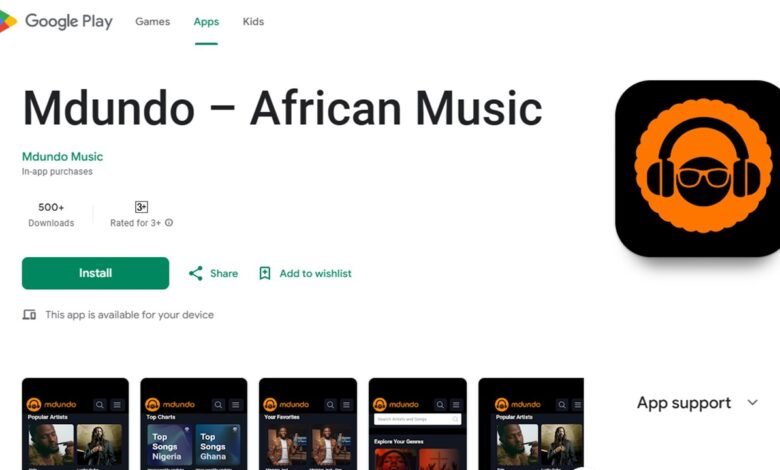

Mdundo’s latest Q3 FY 2025/26 report, covering January to March 2026, is full of the usual business language people use when they want numbers to sound less stressful than they are. But two updates stand out immediately for regular users of the platform: Mdundo has now launched a native Android app, says its iOS app is expected in April 2026, and it has also expanded its music gaming product to Kenya, Tanzania, Zambia, and the DRC, adding to the earlier Uganda rollout.
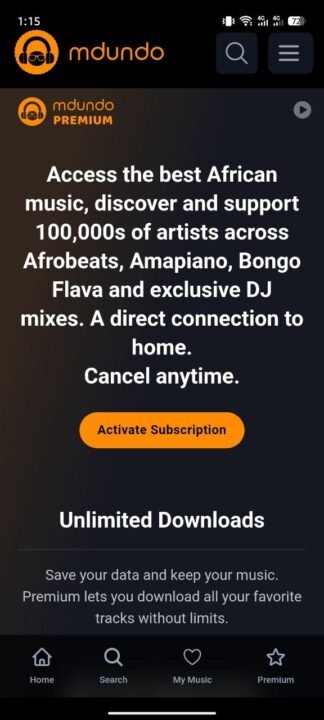
For me, that is the more interesting story here than the investor jargon. Mdundo says the new Android app, which already has 500+ downloads since its April 2nd debut in the Google Play Store, introduces in-app purchases, offline listening, and a better subscription experience, with a specific focus on higher-value smartphone users in Africa as well as diaspora users. A premium subscription plan costs $1.99/month, which is about KES 300 per month.
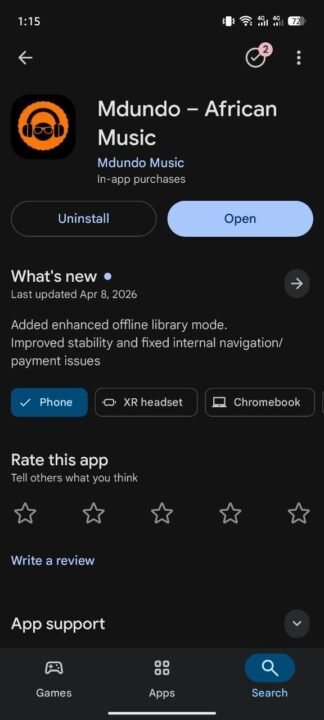
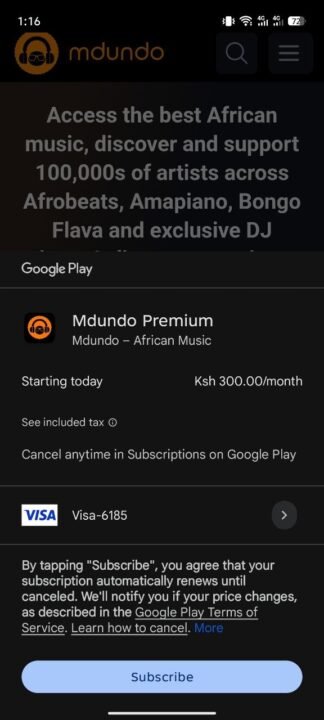
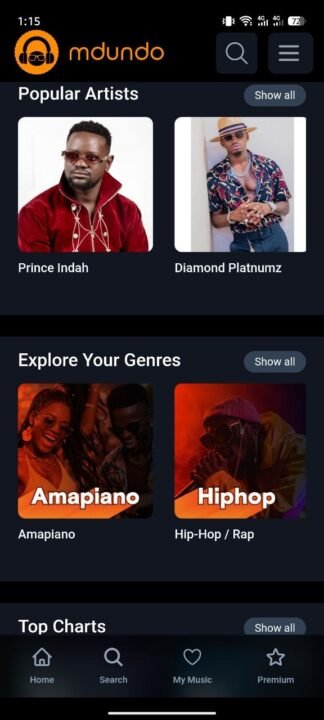
The company estimates the diaspora audience already accounts for around 500,000 to 1 million monthly visitors to the platform, which helps explain why it is suddenly putting more weight behind native mobile apps and easier payment flows.
That matters because Mdundo is clearly trying to reduce the friction between listening and paying. According to the report, the platform had already been getting some direct subscriber transactions from users outside Africa through its Progressive Web App (PWA), but the native app is supposed to remove some of the pain points that came with that setup. Mdundo wants it to feel easier to pay, easier to subscribe, and easier to stick around. That is where features like in-app purchases and offline listening start to matter, especially for users who expect a Spotify-like experience and have little patience for awkward payment journeys.
The other development with a direct Kenya angle is Mdundo’s push into music gaming. The company says this gaming product expanded to Kenya, Tanzania, Zambia, and the DRC during Q3, and it generated paid transactions in all five active markets, including Uganda. Mdundo is not yet presenting gaming as a major revenue engine, and to be fair, it is only expected to contribute about DKK 0.1 million, about KES 2 million, in FY 2025/26. But the company clearly sees it as a proof point that some of its free users are willing to spend money when the format is simple, short, familiar, and low-commitment.
That tells you a lot about where Mdundo is headed. This is no longer just a platform chasing audience scale for headlines. The report explicitly says the company has shifted away from monthly active users as its main story and is now focused on turning reach into paying subscribers. That bigger transition sits behind both the app launch and the gaming push. One is designed to improve conversion among premium-minded users and diaspora listeners. The other is meant to squeeze more value out of the huge free user base without depending entirely on advertising or telco billing.
And honestly, that second part is important because Mdundo’s telco business is under pressure. The report says telco subscription transactions fell to 8.1 million in Q3, down from 9.9 million in the previous quarter, due to billing instability across several major partners. At the same time, direct payment transactions rose 108% quarter-on-quarter, from about 2,500 to 5,100, which is still modest in absolute terms but clearly encouraging for the company’s direct subscription ambitions. Mdundo remains available through eight telco partners, including Safaricom in Kenya, but it is becoming more obvious that the company does not want to remain overly dependent on that model.
So when I look at this report, I do not just see an Android app launch and a few gaming markets being added. I see a music platform trying to rebuild itself around direct payments, better mobile experiences, and small but important new ways to get users to spend.
Kenya now sits inside that strategy in a more visible way, both as part of the gaming rollout and through Mdundo’s broader push toward mobile-first premium users. Whether that works at scale is still the harder question, because this same company has also admitted it needs 20,000 direct monthly paying subscribers to get close to break-even. But for now, the clearest takeaway is that Mdundo’s next chapter is starting to take shape around apps, payments, and experimentation, not just audience growth.