

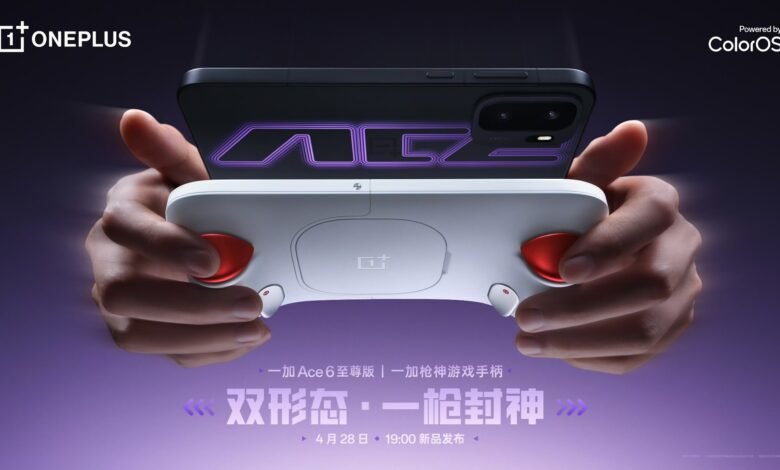
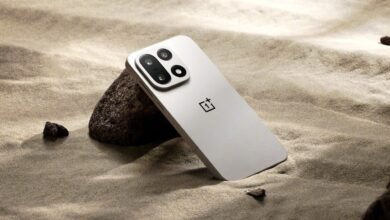
OnePlus has confirmed it will launch the Ace 6 Ultra in China on 28 April 2026, and the real headline is not the phone itself. It’s the accessory that clips onto it. The company is pairing the Ultra with a dedicated controller it calls the “Gun God” Game Controller, a cradle with physical buttons, shoulder triggers, and a magnetic cooling fan that effectively turns the handset into a handheld gaming console.
The name is a direct translation from the Chinese 枪神 (qiāng shén), a bit of gamer slang for an elite first-person shooter player. OnePlus is being very explicit about who this bundle is for: people who play PUBG Mobile, Call of Duty Mobile, Delta Force, and Honor of Kings at a level where tapping on glass has become the thing holding them back.
What the Gun God controller actually does
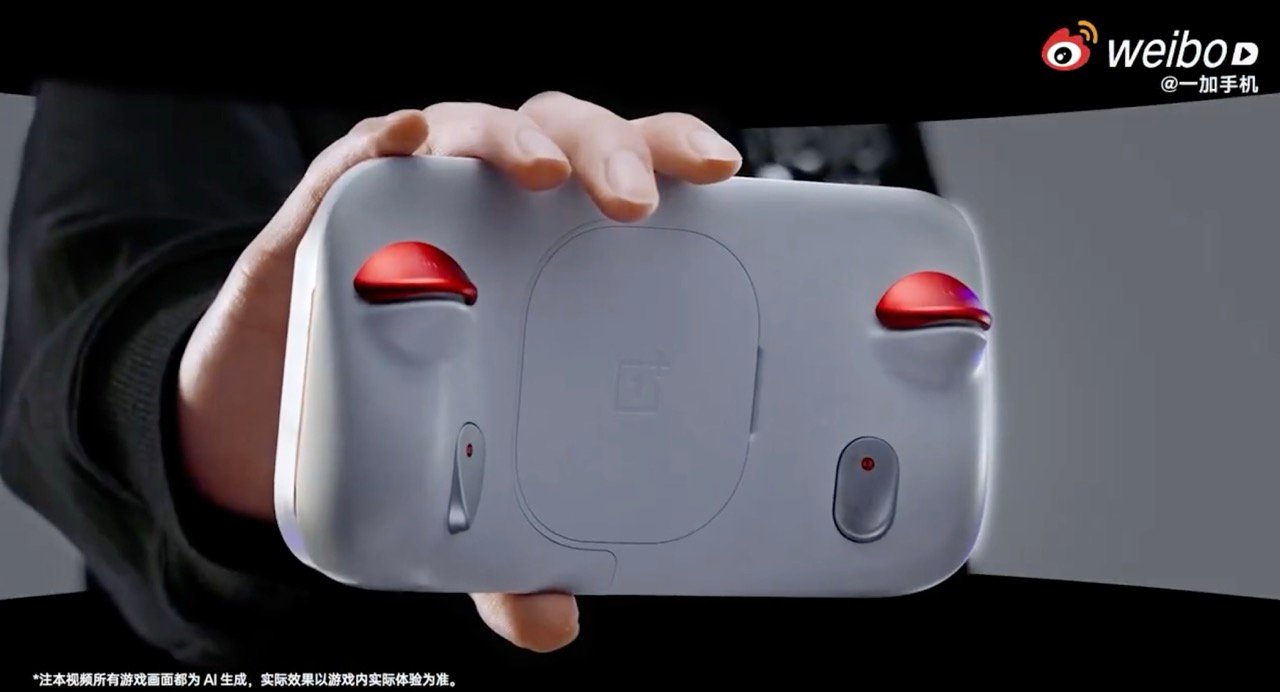
This is not a separate handheld. The controller is essentially a bumper case that snaps onto the Ace 6 Ultra. Once attached, it adds four physical rear-mounted buttons, shoulder triggers, and ergonomic grips along the sides, so instead of mashing two thumbs on a touchscreen, you have six to eight fingers available to aim, fire, crouch, reload, and move at the same time.
The technical numbers are where things get interesting. According to reporting by Android Authority, the switches inside the buttons run at a 1,000Hz polling rate with a 1.8-millisecond response time. In plain terms, that means the controller tells the phone what you pressed a thousand times a second, with almost no delay. Those are the sort of numbers you normally see on dedicated PC gaming peripherals, not phone accessories.

The cradle also includes a magnetic mount for a detachable cooling fan, a USB-C port at the bottom so you can charge while playing, and a built-in gaming antenna meant to keep the signal stable during competitive matches. Louis Li, OnePlus China’s president, framed the pitch plainly in the company’s teaser materials: phone gamers have simply run out of fingers, and moving from two to eight is what can separate a beginner from a pro.
Whether the controller delivers on that claim is the open question.
The phone itself is built to match
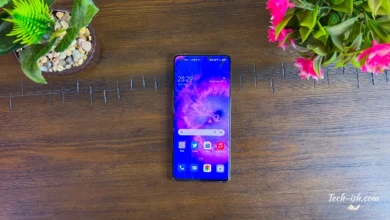
The Ace series has always been OnePlus’s performance line in China, and the Ultra sits at the top of it. The Ace 6 Ultra ships with a 6.78-inch 1.5K BOE OLED panel running at 165Hz, matching what desktop e-sports monitors offer. Most flagship phones today top out at 120Hz or 144Hz, so hitting 165Hz puts this firmly in gaming-phone territory.
Under the hood sits MediaTek’s new Dimensity 9500, the 3-nanometre flagship chip that also powers the OPPO Find X9 Pro. It is expected to perform in the same ballpark as Qualcomm’s Snapdragon 8 Elite Gen 5.
Battery capacity is where OnePlus gets bold. The Ace 6 Ultra packs an 8,600mAh cell, nearly double what most flagships ship with today. That is possible because of silicon-carbide anode chemistry, a battery technology that squeezes more energy into the same physical space. OnePlus first pushed this hard with the OnePlus 13T, which tech-ish covered when that compact powerhouse launched last year. Charging sits at 100W wired according to most leaks, though one outlier report from GSMArena puts it at 120W. We will know for sure on 28 April.
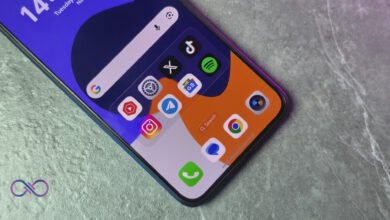
Other confirmed specs include a 50MP main camera, IP69K dust and water resistance, and Android 16 running OnePlus’s new ColorOS 16 skin. Memory options start at 12GB RAM with 256GB of storage and climb to 16GB with 1TB. The phone comes in a deep purple called Ace Awakening, made using a 3D stereolithography process that produces a flame-like shimmer, and a more restrained Metal Storm variant.
Why this matters beyond China
Dedicated gaming phones are a crowded category. ASUS has the ROG Phone, Red Magic has the 10 Pro, Xiaomi has Redmi-branded gaming handhelds in China, and Lenovo released the Legion Gamepad G3 earlier this year. Most of these either lean too hard into gamer aesthetics, which puts off mainstream buyers, or treat gaming as an afterthought feature.
OnePlus is trying something more interesting. The Ace 6 Ultra looks like a normal flagship in everyday use, but the optional controller lets it moonlight as a handheld. That modular approach is closer to what Backbone and Razer’s Kishi have done for iPhone owners for years, with one major difference: OnePlus controls both the hardware and the software stack, which should mean tighter integration and lower latency.
For Kenyan readers, availability is the usual caveat. OnePlus has no official retail presence here, and Ultra-branded phones historically stay in China. The Ace 6T, for comparison, was rebranded as the OnePlus 15R for global markets earlier this year, so a rebadged Ultra could appear elsewhere later. Until then, the usual grey-market channels apply: local third-party dealers, occasional listings on Safaricom’s Masoko, and imports via Chinese resellers.
Pricing lands on 28 April. Based on the Ace 5 Ultra’s launch price of 2,499 yuan last year, expect the base 12GB/256GB model to start at roughly KES 45,000 to 55,000 once landed, before import duties push that higher.



Join the discussion