

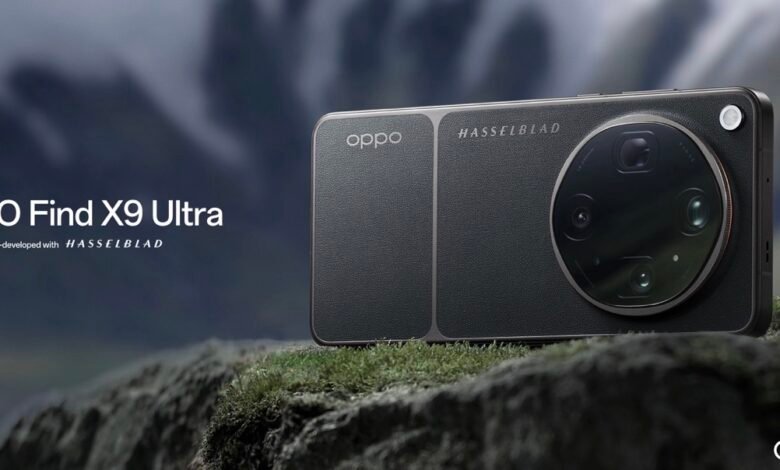
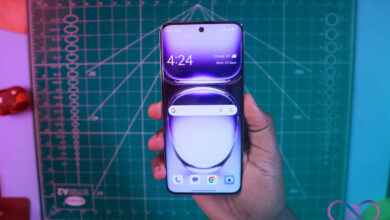
OPPO has finally taken the wraps off the Find X9 Ultra, and it is not subtle about what it wants to be. This is a camera-first flagship built to wrestle with the Xiaomi 17 Ultra, the Vivo X300 Ultra, and arguably Samsung and Apple’s top tier too. After years of keeping its Ultra variants largely tethered to China, OPPO is sending this one out globally, a first for the Ultra line.
For context, the regular Find X9 already launched in Kenya at KES 139,999 last November. The Ultra sits above that as the spare-no-expense sibling. OPPO Kenya has not confirmed local pricing or a launch date yet, but if you want a rough gauge, the previous Find X8 Ultra landed with third-party retailers between KES 166,500 and KES 171,000.
The cameras are the entire point
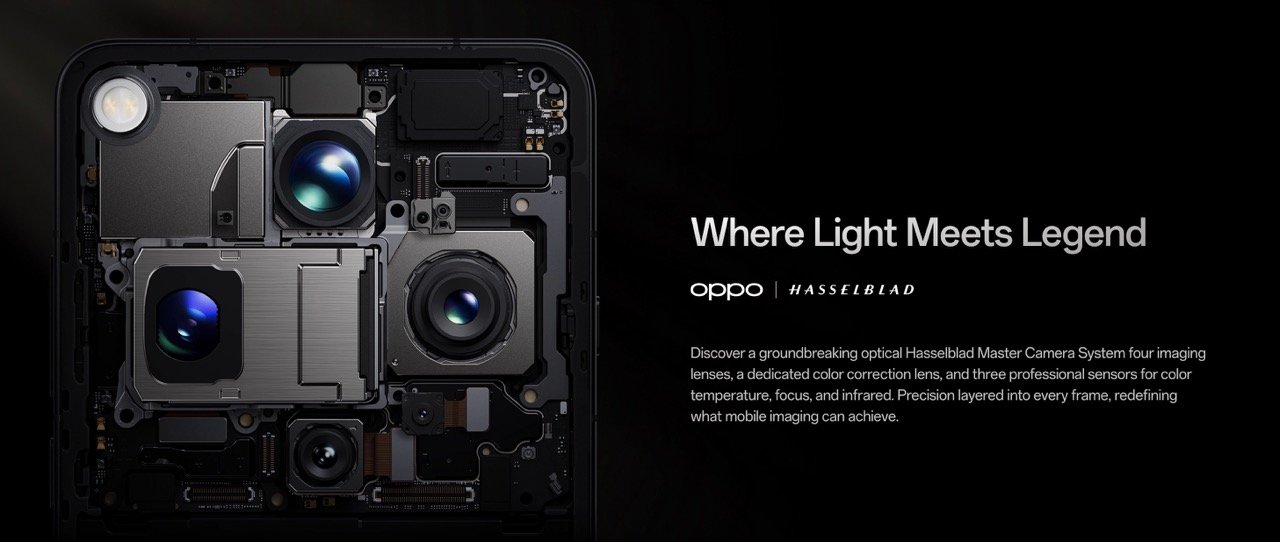
The Hasselblad Master Camera System on the back of the Find X9 Ultra is ridiculous in the best way. OPPO has packed in five rear cameras, not four.
You get a 200MP Sony LYT-901 main sensor at 1/1.12 inches with an f/1.5 aperture. That is one of the physically largest 200MP sensors ever put in a phone. Next to it sits a second 200MP camera, a 3x periscope telephoto using the OmniVision OV52A (1/1.28 inches, f/2.2). That telephoto sensor is actually bigger than the main sensor on the Samsung Galaxy S26 Ultra, which tells you how far the hardware arms race has gone.

Then there is the headline act: a 50MP 10x optical periscope at a 230mm equivalent focal length. OPPO says this is the world’s first 50MP 10x optical telephoto on a smartphone, made possible by what it calls a Quintuple Prism Reflection Periscope Structure. In plain English, the light path is folded five times so a long lens can fit in a flat phone. A 50MP LYT-600 ultra-wide and a 3.2MP multispectral True Color sensor round out the rear setup. A new 50MP JN5 selfie camera with autofocus handles the front.
Video is equally serious. All five lenses can shoot 4K60 in Dolby Vision. The two 200MP cameras push to 4K120, and 8K30 is available on the main and 3x lens. For creators, there is O-Log2 and ACES colour workflow support with 3D LUT burn-in. Android Central’s hands-on notes that all five lenses can shoot 4K60 in Dolby Vision with consistent colour rendition between them, which is unusually rare even on other flagships.
Specs beyond the lens
Inside, the Find X9 Ultra runs the Qualcomm Snapdragon 8 Elite Gen 5 paired with up to 16GB of LPDDR5X RAM and 1TB of UFS 4.1 storage. Cooling is handled by an advanced vapour chamber with graphite. There is also a dedicated Display P3 Pro chip, a PowerCore battery management chip, and a self-developed RF chip for antenna performance.
The 6.82-inch QHD+ LTPO OLED uses BOE’s X3 panel, hits 3600 nits peak brightness, and runs 1-144Hz. It supports Dolby Vision and HDR Vivid, with 2160Hz PWM dimming for eye comfort.
Battery is a big jump. OPPO has crammed a 7050 mAh silicon-carbon cell inside, with 100W wired and 50W wireless charging. Durability ratings cover IP66, IP68, and IP69, meaning it survives dust, submersion, and high-pressure jets.
On the software side, ColorOS 16 (based on Android 16) brings new AI tools including Mind Pilot, Bill Manager, and Menu Translation. OPPO has also extended interoperability with Apple devices through its O+ Connect app and Quick Share, which is a genuinely useful touch for Kenyans who already live in mixed iPhone/Android households.
Pricing and availability
Chinese pricing starts at CN¥7,499 for the 12GB/256GB variant and climbs to CN¥9,299 for the 16GB/1TB top model. That translates to roughly USD 1,100 to USD 1,364. The global version has already gone up for pre-order at international retailers starting at USD 1,499, with UK availability from 8 May 2026.
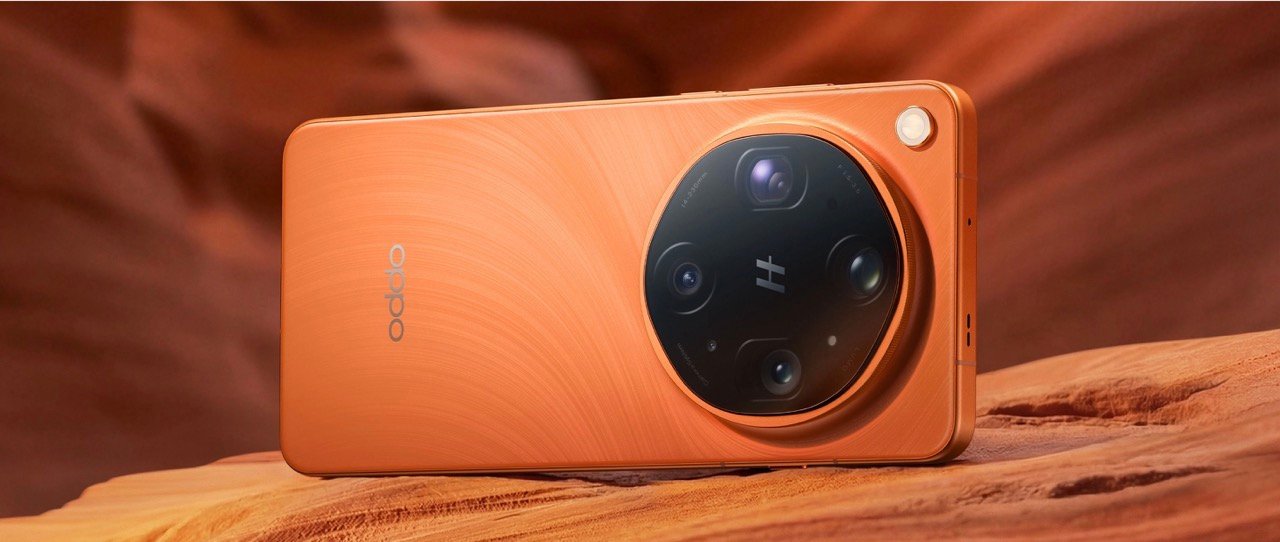
Colour options are Tundra Umber (Hasselblad-inspired vegan leather, 9.1mm thick) and Canyon Orange (8.65mm). A Glacier White variant is China-only.
The verdict in progress
The Find X9 Ultra is clearly aimed at a narrow, deep-pocketed audience: serious mobile photographers, videographers, and people who want the absolute bleeding edge of smartphone imaging. At its likely Kenyan landing price (probably north of KES 180,000 if it arrives officially), it is not a phone most people should even consider.
But as a statement device, it is hard to argue with. OPPO has effectively built a Hasselblad-branded pocket camera that happens to make calls. Whether OPPO Kenya decides to officially bring it in, as they did with the standard Find X9, is the next question worth asking.





Join the discussion