
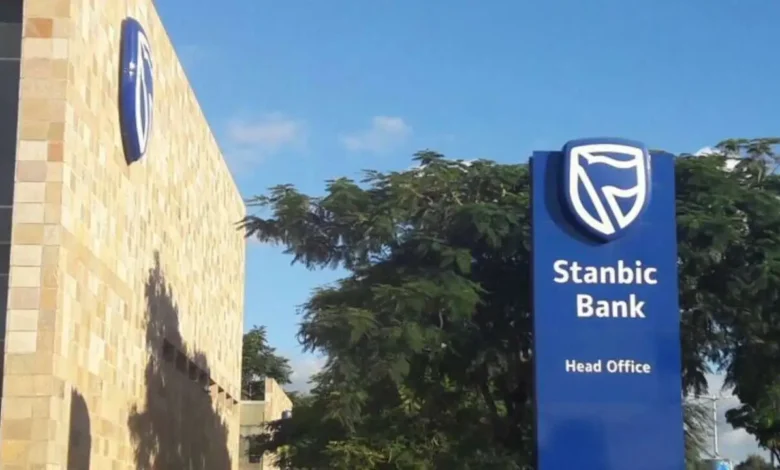
Stanbic Bank Kenya, the first big tier-one lender to publish results this earnings season, has reported a net profit of KES 3.5 billion for the three months to March 2026. That is up 5% from the KES 3.3 billion it made in the same quarter last year. The bank’s customer deposits crossed the KES 400 billion mark for the first time in its history.
The headline number is modest. The story underneath it is more interesting, and worth pulling apart, because it tells you a lot about how Kenyan banks are adjusting to a falling interest rate environment.
The numbers, in plain terms
A few figures matter here.
The Central Bank Rate fell from 10.75% in March 2025 to 8.75% in March 2026. That is the rate at which CBK lends to commercial banks, and it sets the floor for almost every other interest rate in the economy. When it falls, banks earn less on loans they have already issued, and the new loans they write earn less too. The 91-day Treasury bill yield, another reference point for bank earnings, also dropped from 8.79% in December 2025 to 7.40% in March 2026.

In that environment you would expect bank interest income to compress. Stanbic’s did not. Its net interest income, the gap between what it earns on loans and government paper and what it pays out on deposits, grew 12% to KES 7.6 billion. The bank explains this two ways. First, it grew its loan book 6% year-on-year, with most of the demand coming from foreign-currency loans to clients in trade, energy, and construction. Second, customer deposits grew much faster than that, by 21.7% to KES 411 billion, and Stanbic deployed the surplus into government securities. Holdings of government paper rose from KES 80.8 billion a year ago to KES 137.2 billion.
In short, the bank is funding itself more cheaply (deposits are now bigger and cheaper because rates have fallen) and is earning a spread on safe government bonds while waiting to lend the rest out.
Where the 5% net profit number actually comes from
If pre-tax profit grew 20.5%, why is net profit only up 5%?
The answer is the tax bill. Stanbic’s tax charge for the quarter nearly doubled, rising to KES 1.4 billion from KES 751 million a year earlier. This essentially absorbed most of the operating gains. Without that tax jump, the headline would have been much more flattering.
Two other things flattered the pre-tax line.
First, loan loss provisions dropped 59.3% to KES 350 million from KES 856 million. The bank’s credit loss ratio fell to 0.44% from 0.57%. Lower provisions mean management thinks fewer loans will go bad, which is consistent with the wider economic story. Private sector credit growth accelerated to 8.1% in March, the strongest reading in over two years according to The Kenyan Wallstreet, suggesting borrowers are in better shape than they were during the 2023 to 2024 squeeze.
Second, operating expenses fell 7.8% to KES 5.03 billion. Part of this is the completion of the bank’s core banking system upgrade to Temenos T24 R23, which TechCabal covered in late 2024. That project, paired with the migration of more services to its mobile app, is starting to show up as lower operating cost per shilling of deposits.
The soft spot: non-interest income
The release does not lead with this, but Stanbic’s non-interest income fell 13.8% to KES 2.38 billion. This is the third consecutive year of decline on that line.
The driver is foreign exchange trading. When the Kenya shilling was crashing in 2023 and early 2024, going from around KES 130 to a peak above KES 156 against the US dollar, banks made enormous gains buying and selling currency. Stanbic earned KES 4.26 billion from FX trading in Q1 2023 alone. By Q1 2026, with the shilling stabilised near KES 129, that line had collapsed to about KES 703 million.
This is a sector-wide pattern, not a Stanbic-specific problem. But it does explain why the bank is leaning hard into deposits and into fees from investment banking, transactional banking, and bancassurance. There simply isn’t a currency crisis to trade on anymore.
Loans grew YoY, but actually shrank against December
The 6% loan growth figure is year-on-year. Against December 2025, the loan book shrank, from KES 270 billion to KES 258 billion. This usually happens in Q1 as corporates pay down short-term facilities they drew at year-end, so it isn’t alarming. But it does suggest the lending recovery is uneven, and the foreign-currency trade finance demand the bank is highlighting may be doing more of the work than retail and SME lending.
Leadership context
This is the first set of quarterly results under Abraham Ongenge, who took over as Acting CEO on 1 March 2026. We previously covered the leadership change when Joshua Oigara moved up to lead Standard Bank’s East Africa region. Ongenge was head of personal and private banking at Stanbic before stepping up, and is a 20-year veteran of the Standard Bank Group. His appointment remains subject to Central Bank of Kenya approval.
What to actually watch from here
Stanbic’s Q1 sets the tone for what other tier-one banks will likely report in the coming weeks. Expect to see higher deposit growth than loan growth across the sector, with the gap parked in government securities. Expect lower bad-debt provisions, reflecting improving credit conditions. Expect continued pressure on FX trading income, which most large banks relied on heavily in 2023 and 2024. And expect headline net profit numbers that look weaker than the operating performance, partly because of a tougher tax environment.
For Stanbic specifically, the question for the rest of 2026 is whether the bank can convert the new deposit base into productive lending rather than parking it in T-bills. The CBK has paused its rate cuts at 8.75% as of the April meeting, and signalled it is watching oil prices and inflation. If rates stay flat, banks will need real loan volume growth, not just cheaper funding, to keep earnings moving.
The practical takeaway: Stanbic’s Kenya business is structurally in better shape than the 5% profit growth suggests. The bank is bigger, better funded, and writing fewer bad loans than a year ago. What’s hiding that, in the headline number, is a heavier tax charge and a foreign exchange revenue stream that is no longer doing the work it did during the shilling crisis.






Join the discussion