

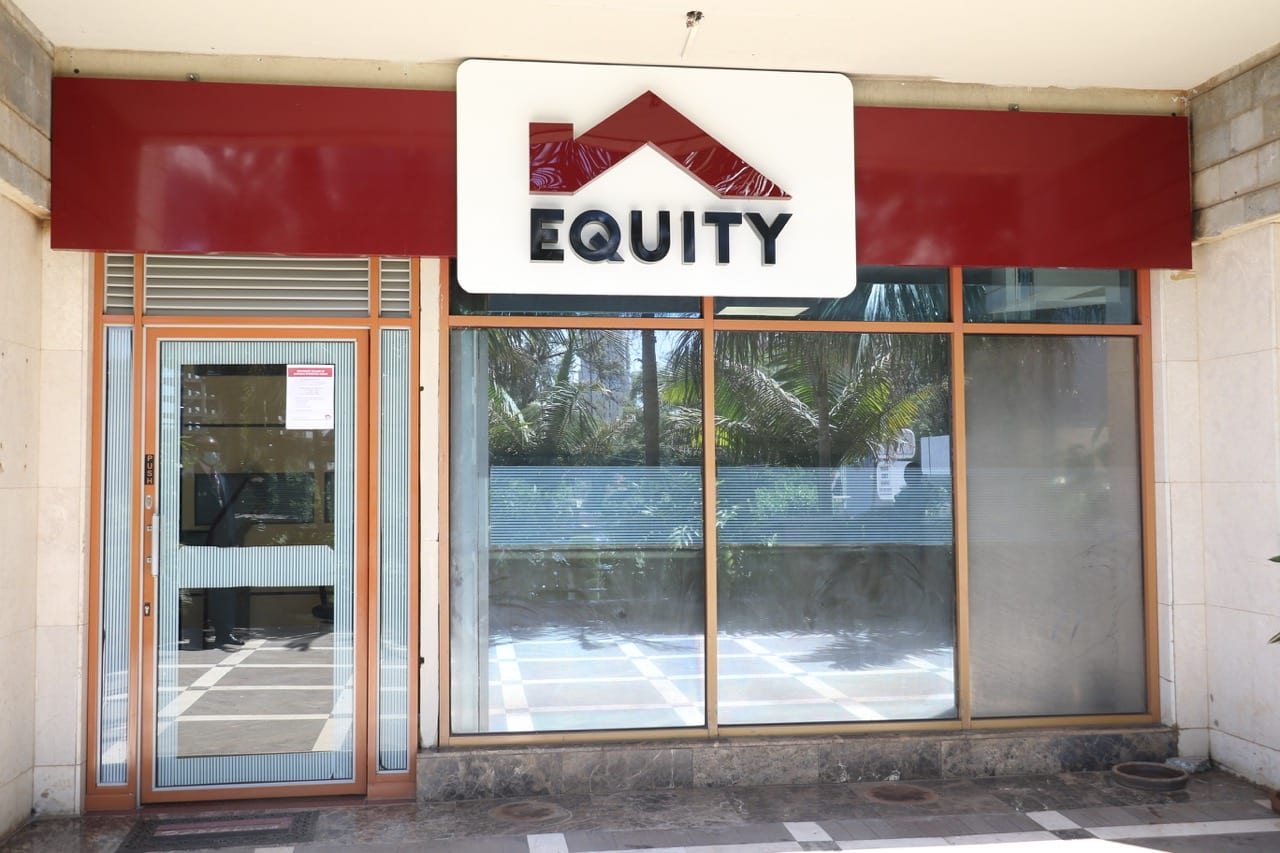
The Office of the Director of Public Prosecutions has charged the chief executive officers of NCBA Bank, KCB Bank and Co-operative Bank with failure to report suspicion regarding proceeds of crime. The three are due to take plea before the Chief Magistrate’s Court on 11 August 2026, after the court issued summons.
The charge is a failure-to-report offence under the Proceeds of Crime and Anti-Money Laundering Act. It comes out of a separate case the prosecution brought on 5 August against a former nominated Member of the County Assembly.

The Director of Public Prosecutions (DPP) has charged the Chief Executive Officers of NCBA Bank, KCB Bank and Co-operative Bank with failure to report suspicion regarding proceeds of crime,

What the former MCA is accused of
The ODPP says the former nominated MCA stole KES 363,420,459 from First Assurance Investment Company Limited between 18 May 2018 and 30 April 2024. He was a director of the company alongside Lamu Governor Issa Abdalla Timamy.
The prosecution alleges that the accused forged the Governor’s signature on company cheques, presented them as properly authorised, and used that to pull money out of company accounts held at NCBA Bank, KCB Bank and Co-operative Bank.

The DPP approved 120 counts against the former MCA: three of conspiracy to defraud, two of stealing, 114 of making a document without authority, and one of acquisition of proceeds of crime. The accused denied all of them before Chief Magistrate Gethi Kibiru and was released on a KES 10 million bond with one surety of the same amount, or a cash bail of KES 3 million.
Why the banks are in this
Kenya’s Proceeds of Crime and Anti-Money Laundering Act puts a standing duty on banks. Section 44(1) requires a bank to watch for complex, unusual, suspicious or large transactions on an ongoing basis. Section 44(2) says that once suspicion arises that a transaction could involve proceeds of crime, the bank has two days to report it to the Financial Reporting Centre.
Section 5 makes it an offence to wilfully fail to do that. It is the section the ODPP cited. The penalty sits in section 16(2): for a natural person, up to seven years in prison, or a fine of up to KES 2.5 million, or both. Section 6 gives a defence, which is simply that the person did report the suspicion.
There is a wrinkle worth knowing. The duty in section 44(2) is placed on the reporting institution, meaning the bank itself. The route to an individual officer is section 16(6), which says that where an offence under that part of the Act is committed by a body corporate with the consent or connivance of a director, manager, secretary or other officer, that person is prosecuted alongside the company. The ODPP did not cite section 16(6) in its statement.
Which CEOs, exactly
The ODPP named the three banks. It did not name the three people.
The alleged conduct runs across six years, and different people held these offices at different points in that window. Until the charge sheets are readt, we do not know whether the prosecution is going after current officeholders, former ones, or a mix.
Kenya has been here before
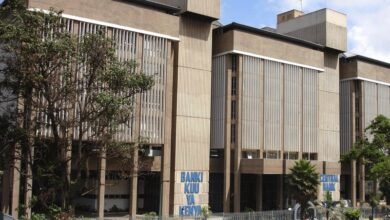
In 2018 the Central Bank of Kenya fined five banks a total of KES 392.5 million over the National Youth Service scandal, for failing to report large cash transactions and for weak customer due diligence. KCB took the largest fine. Cooperative Bank was also on the list. The DPP then said the chief executives of those five banks would face the same failure to report charge. In March 2020 it ended in a deferred prosecution deal: the banks paid KES 385 million into a prosecution fund and no CEO was charged.
Family Bank and two of its officers went further and asked the courts to stop a POCAMLA (Proceeds of Crime and Anti Money Laundering Act) prosecution outright, arguing that a CBK administrative fine had already dealt with the matter. The Court of Appeal dismissed that argument in January 2018, holding that a regulator fine is not a conviction and does not block a criminal charge. A bank cannot point to a CBK penalty and call the matter closed.
The pressure behind the timing
Kenya has been on the Financial Action Task Force grey list since February 2024, and the FATF confirmed in its June 2026 review that the country is still there. One of the outstanding items on Kenya’s action plan is to increase money laundering investigations and prosecutions. On 1 July, DPP Renson Ingonga met the heads of the Financial Reporting Centre, the DCI and the EACC to coordinate exactly that. Charging three bank chiefs is the kind of case that shows up in an FATF progress report.
What it means commercially
The timing lands awkwardly for NCBA. South Africa’s Nedbank is buying roughly 66% of NCBA Group, a deal we broke down in full when it was announced in January and walked shareholders through again before the acceptance deadline. Holders of 79.9% of the company tendered their shares by 10 July, and Nedbank expects to close by the end of the third quarter, subject to remaining regulatory approvals.
NCBA published its half-year 2026 results on the same day the charges were announced, reporting KES 12.4 billion in profit after tax, up 12.2% on the KES 11.0 billion it posted a year earlier.
None of the three banks had issued a statement by the time of writing.
What to watch
On 11 August the charge sheets will be read in court. That is when we learn the names, whether the accused are current or former officeholders, and whether the banks have been charged as companies rather than only their chief executives. After that, we can watch for two things: whether any of the three go to the High Court to try to stop the prosecution, which is what Family Bank tried and lost, and whether CBK or the Financial Reporting Centre open parallel administrative action, which the 2018 judgment confirmed they can do at the same time.





Join the discussion