

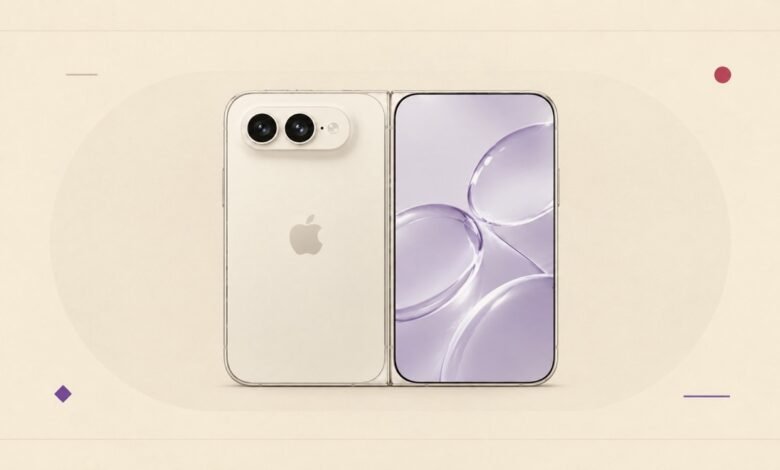
Samsung Display’s M16 LEAD OLED combination is tipped for the iQOO 16 and Apple’s first foldable iPhone. Phone leaker Digital Chat Station linked both devices to the technology in a 4 September post reproduced by Gizmochina. These remain unconfirmed product plans.
The appeal is a screen that wastes less of the light it produces. Samsung’s existing LEAD technology allows more light through the panel, which can improve brightness without a corresponding increase in power consumption.
What makes this display technology promising?
OLED means organic light-emitting diode. Each pixel produces its own light, so the display needs no separate backlight. As Samsung Display explained in January 2021, the light-emitting materials affect how efficiently the screen turns electricity into light. M16 is the newer material generation named in the leak.
LEAD describes a different part of the screen: its construction. Conventional OLED panels use a polariser to control reflections from outside light. That layer also absorbs some of the light produced by the pixels, so less reaches the viewer.

In its May 2025 explanation of LEAD, Samsung describes how colour filters and other layers built into the panel take over the polariser’s reflection-control function. Removing the polariser lets more of the screen’s light through.
A phone can therefore reach higher brightness at the same power consumption, or maintain brightness with less power. In its February 2025 announcement, Samsung said its demonstration panel could deliver up to 1.5 times the brightness of then-current premium OLEDs at the same power.
That could help when reading a message outdoors, where the screen needs to compete with sunlight. Samsung also says LEAD panels can be up to 20% thinner than conventional OLEDs.
Those are benefits of the LEAD design. The September leak does not quantify how much the proposed M16 combination improves on the previous generation.
Which phones could use it?
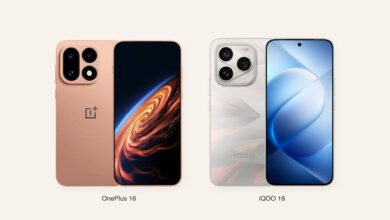
iQOO 16
iQOO, part of the vivo group, already uses a 6.85-inch Samsung M14 LEAD OLED screen in the iQOO 15. It has 3168 x 1440 pixels and a refresh rate of up to 144Hz. The proposed M16 upgrade would build on that existing display technology.
An earlier leak published on 14 August described a 6.85-inch flat Samsung screen with a 165Hz refresh rate. Digital Chat Station described an unnamed engineering sample.
At 165Hz, the screen can update up to 165 times each second. That could make supported games look smoother, although the display’s refresh rate does not determine how many frames a game generates.
The leak’s “2K+” description is a resolution label. M16 itself does not specify a pixel count, and the post does not give the screen’s exact resolution.
Apple’s foldable iPhone
Digital Chat Station also links the M16 and LEAD combination to Apple’s foldable screen. We have already covered the iPhone Ultra name and foldable-design rumours.
A thinner display could help reduce the phone’s thickness when folded shut. Better power efficiency could also reduce the battery demand of using a larger unfolded screen. These are potential benefits of the technology.




Join the discussion