


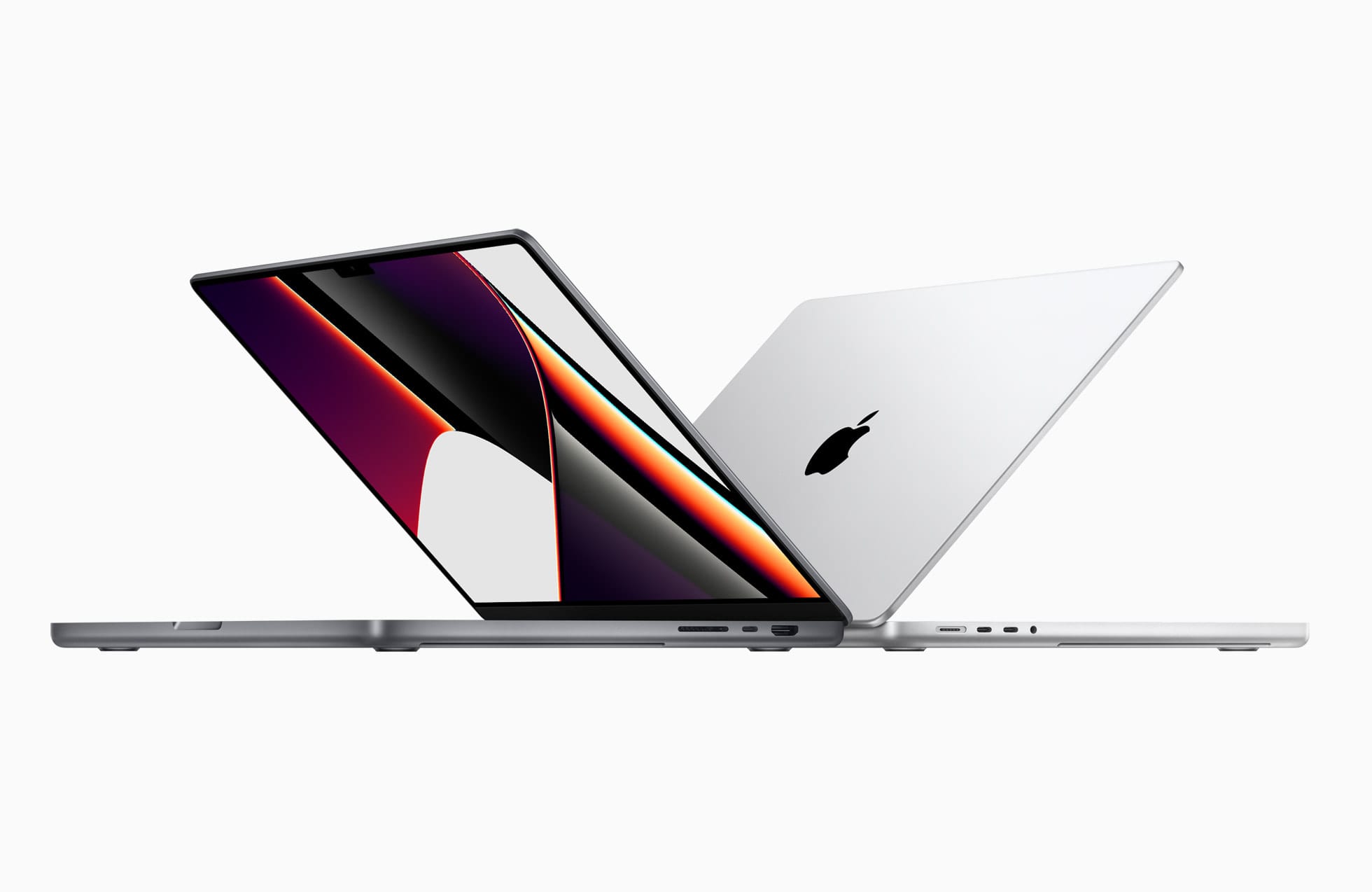
For the first time, the screen on a Mac responds to your finger. The MacBook Pro with PROLED XDR Display, announced this evening in 14-inch and 16-inch sizes, has an OLED screen, a Dynamic Island where the notch used to be, and the same M5 Pro and M5 Max chips the MacBook Pro has had since March. Pre-orders opened today, 28th October 2026, in 30 countries and regions, and the first deliveries are due on Friday 6th November. Apple named only the US among them, and it doesn’t sell Macs directly in Kenya, so buyers here wait on importers.
The 14-inch model starts at USD 2,899, and the 16-inch at USD 3,399. That is USD 400 more than the mini-LED MacBook Pro still on Apple’s store at USD 2,499 and USD 2,999 with the same M5 Pro chip, 24GB of memory and 1TB of storage. The gap is the same USD 400 at every chip option, up to the M5 Max models from USD 4,499, and the chips, ports and battery life do not change.
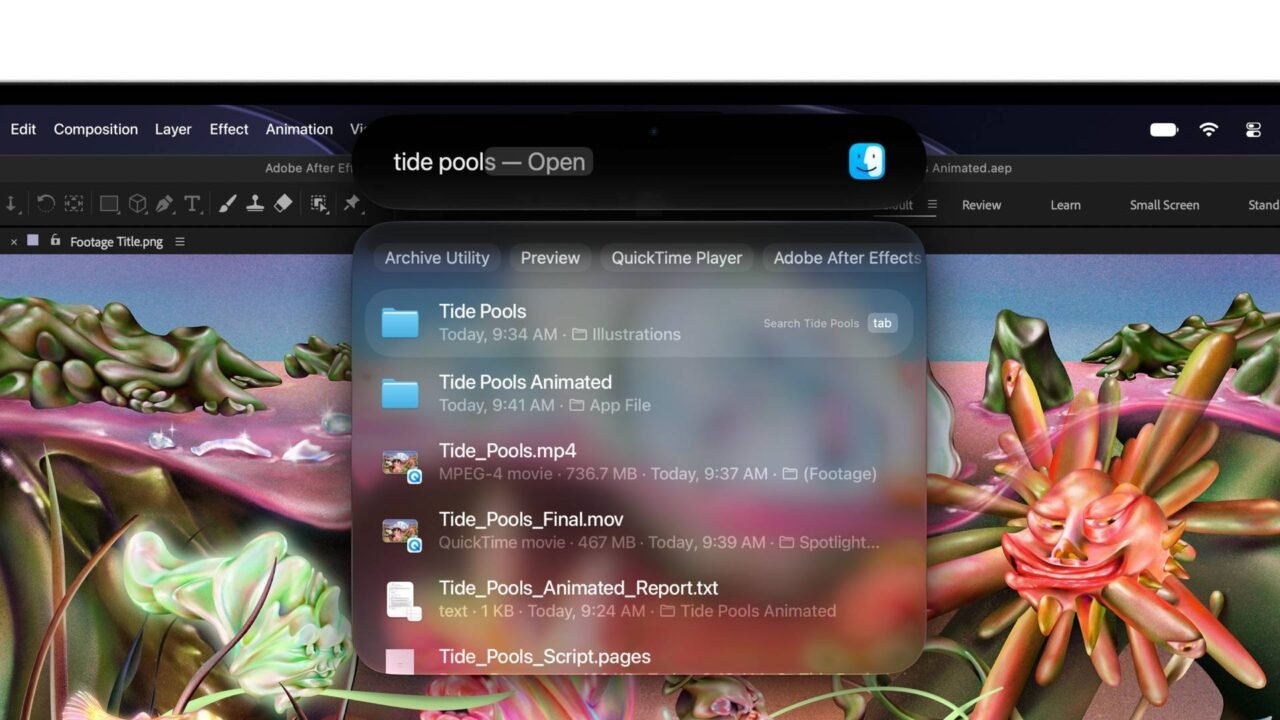
What touch does on a Mac
Steve Jobs argued at a Mac event in October 2010 that reaching up to a laptop screen tires your arm, and Apple kept to that for 16 years, as we recalled on Monday when the details leaked. Ming-Chi Kuo, the supply-chain analyst, had said in September last year that Apple was finally building one. Because a laptop lid wobbles when you push on it, Apple has redesigned the hinge to keep the screen steadier when you tap it, and says the camera now steadies your picture on video calls while you touch the screen.
The touch sensor sits inside the display panel itself, which Apple says cuts the delay between your finger and the response. You can scroll a web page with a swipe, pinch to zoom into a photo, and double-tap a window to fill the screen or flick it to tile it into place. Neither the announcement nor the specifications page mentions the Apple Pencil.

Many apps that haven’t been updated for touch still respond, because macOS 27 turns a tap into a mouse click. Apple named Microsoft Word, Excel and Outlook, Zoom, Canva, Notion, Blender and DaVinci Resolve among the apps getting proper touch support, and its footnote says they arrive “later this year”. Apple also describes touch controls in its own Logic Pro and Final Cut Pro, part of its Creator Studio subscription, which costs USD 12.99 (about KES 1,700) a month: an on-screen piano keyboard with chord and drum pads, and pinching to zoom in on a cut. It has not said whether those need the Creator Studio update due in November.
Why the OLED screen matters
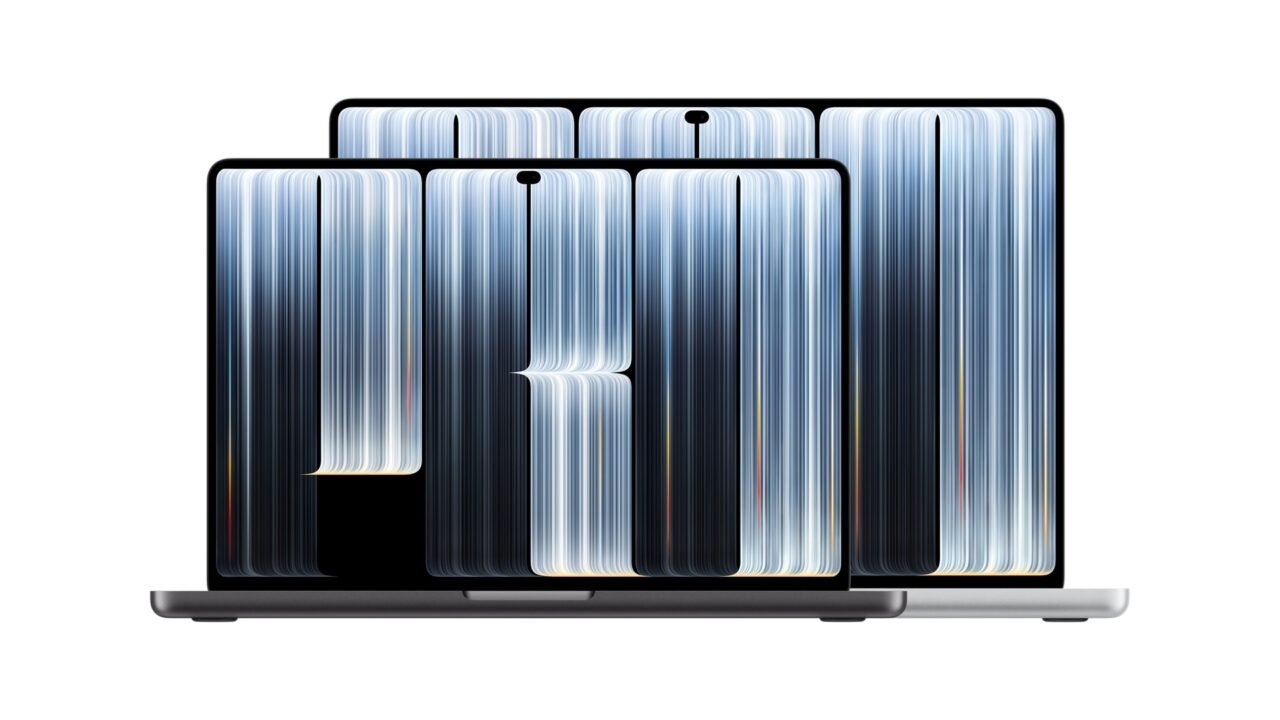
Today’s MacBook Pro uses mini-LED, a grid of tiny lights behind the panel grouped into zones that brighten and dim with the picture. Each zone is bigger than the letters it lights, so white text on a black background can carry a faint glow. In an OLED screen every pixel makes its own light, so a black pixel is simply switched off. PROLED is Apple’s name for tandem OLED, which stacks two light-emitting layers in each pixel so each can be driven less hard for the same brightness. Apple has used tandem OLED on the iPad Pro since May 2024, and earlier this week it moved the iPad mini to OLED too.
Brightness is measured in nits, and Apple’s specifications page lists a 2,000-nit peak for HDR content, the high dynamic range format with very bright highlights, up from 1,600 on the mini-LED model. For ordinary use outdoors it also reaches 2,000 nits, up from 1,000. Contrast, the gap between the brightest white and the darkest black, rises from 1,000,000:1 to 10,000,000:1, which shows as deeper shadows in dark scenes. The screen supports Adobe RGB, the range of colours used in print work, as well as P3, the range used for video. A nano-texture glass option, which cuts glare in bright rooms, adds USD 150 (about KES 19,500).
The notch, the black cut-out around the camera on today’s model, gives way to the Dynamic Island, the pill-shaped cut-out iPhone owners know. It uses the space around the camera for Live Activities, Apple’s name for live updates such as a song playing or an AirDrop request, and for Siri AI and Spotlight search when Siri AI is available and switched on. Siri AI is a beta in macOS 27.2 that works in English and five other languages, and Apple’s footnotes don’t say which countries get it, so a Kenyan buyer can’t yet tell how much of the island will work here.
Touchscreen MacBook Pro vs mini-LED: weight, battery and specs
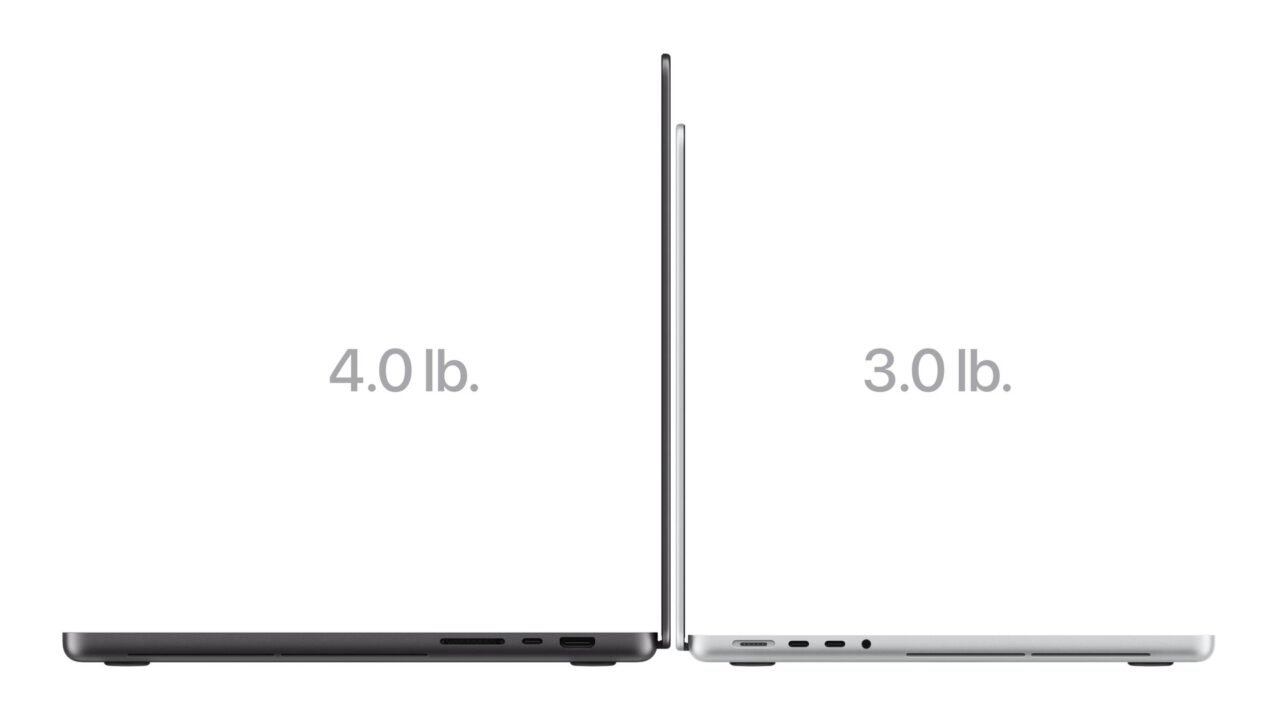
With M5 Pro, the 14-inch model weighs 1.38 kg, down from 1.60 kg. The 16-inch weighs 1.82 kg, down from 2.14 kg, and its screen grows to 16.3 inches. Battery life matches the mini-LED versions chip for chip: up to 22 hours of video on the 14-inch with M5 Pro and 24 on the 16-inch. Apple says the battery charges up to 50% in 30 minutes, but on the 14-inch that needs a 96W charger or more, and the base model ships with a 70W one. Apple’s 96W adapter costs USD 79 (about KES 10,300).
| 14-inch MacBook Pro (mini-LED) | 14-inch MacBook Pro with PROLED XDR Display | |
|---|---|---|
| Starting price (US) | USD 2,499 (about KES 325,000) | USD 2,899 (about KES 377,000) |
| Base chip | M5 Pro, 15-core CPU, 16-core GPU | M5 Pro, 15-core CPU, 16-core GPU |
| Base memory and storage | 24GB, 1TB | 24GB, 1TB |
| Largest storage (M5 Max) | 8TB | 16TB |
| Screen | 14.2-inch mini-LED, 3024 x 1964 | 14.2-inch tandem OLED, 3024 x 1986 |
| Peak brightness | 1,600 nits HDR, 1,000 nits outdoors | 2,000 nits HDR and outdoors |
| Contrast ratio | 1,000,000:1 | 10,000,000:1 |
| Touchscreen | No | Yes |
| Top of screen | Notch | Dynamic Island |
| Ports | 3 Thunderbolt 5, HDMI, SD card, MagSafe, headphone jack | 3 Thunderbolt 5, HDMI, SD card, MagSafe, headphone jack |
| Battery (video, M5 Pro) | Up to 22 hours | Up to 22 hours |
| Thickness | 1.55 cm | 1.50 cm |
| Weight (M5 Pro) | 1.60 kg | 1.38 kg |
Buying a touchscreen MacBook Pro in Kenya
Apple’s Kenyan website lists retailers and still shows only the older MacBook Pro. Importers add shipping, duty and VAT to the US price. On Monday we found Kenyan shops listing the 16-inch mini-LED MacBook Pro from KES 405,000, about KES 15,000 above the KES 390,000 its US price converts to. Expect the touchscreen models to sell above KES 377,000 and KES 442,000 once stock lands, on a date Apple hasn’t given.
For most buyers, the mini-LED MacBook Pro is still the better choice. A developer or analyst who needs the M5 Pro gets the same chip, memory and battery life for USD 400 less, and anyone who doesn’t can look at the M6 MacBook Pro we covered this morning at USD 1,999 (about KES 260,000). In 2020 we asked whether anyone really needs a touchscreen laptop, and for this one the case rests on the screen until the apps catch up. If you edit photos or video for a living and want an OLED panel with Adobe RGB you can carry, this is the MacBook Pro to get. If your day is in Word, Excel or Zoom, wait for those apps to add touch later this year.


Join the discussion