

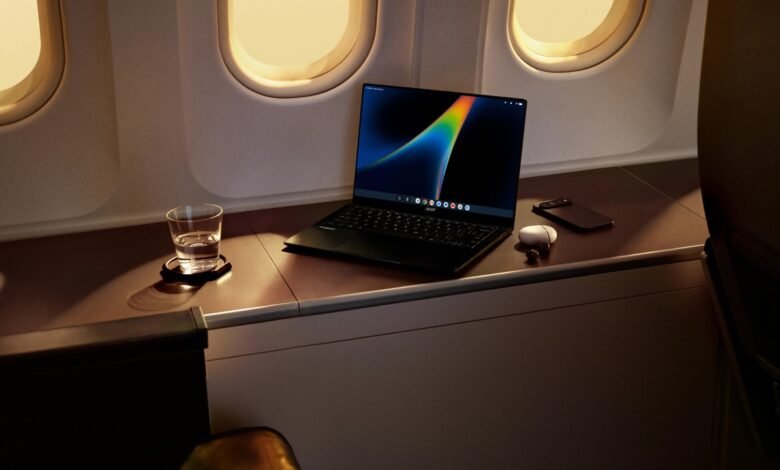
With the highly anticipated US retail launch of the first Googlebook laptops arriving on 4th October 2026, Google is preparing for a major shift in its computing strategy. Announced earlier this year in May, these new devices from Acer, Asus, Dell, HP and Lenovo represent a fresh direction. They run on the new Googlebook OS, a platform that merges the traditional ChromeOS experience with the underlying tech stack of Android phones.
Google promises up to 10 years of updates for this new software. The pressing question for millions of current users is whether their existing devices will make the leap to this new operating system.
According to a Google help page for IT administrators, many newer commercial Chromebook models will be capable of upgrading to Googlebook OS. This wording appears to point to hardware sold to schools and businesses. The page’s summary bullet says “newest Chromebook devices” without the word commercial, but nowhere does it mention consumer models, which leaves households that bought Chromebooks for personal use in the dark about their eligibility.
Furthermore, the official documentation names no specific models and provides no minimum hardware specifications. There is also no guidance on what happens to user files or Android apps during a potential migration. Google notes in a summary bullet that eligibility details will be shared soon, with a separate FAQ stating this will happen at a later date.

Google states that ChromeOS devices will continue to receive updates and security patches through mid-2034. The company maintains an Auto Update policy that guarantees 10 years of support counted from the release of the core hardware platform rather than the date of purchase. Older models released before 2021 received fewer years of support, and some can only reach the 10-year mark if owners opt in to extended updates, which consequently removes access to Android apps.
Looking at Google’s own Auto Update table reveals a timeline discrepancy. Currently, 96 out of 815 Chromebook entries are listed as supported until June 2035 or later, up to June 2036. Google has not clarified what happens to these specific devices once the mid-2034 date arrives if they cannot upgrade to Googlebook OS.
The transition also introduces complexities for the education and enterprise sectors. Schools and businesses currently manage their fleets through the Google Admin console, requiring a Chrome Enterprise Upgrade or Chrome Education Upgrade licence for every machine they manage. While Google confirms existing licences will remain active throughout the lifecycle of each device, any Chromebook that migrates to Googlebook OS will fall under a new licensing structure. The exact terms of this new structure are yet to be revealed. Google says it will share these details in advance of commercial availability.
In the interim, IT administrators face a waiting period. The batch of Googlebooks launching in 2026 are built strictly for consumers, meaning IT staff cannot enrol them into the Admin console yet. Google plans to start rolling out enterprise management features in the second half of 2027. Until that time, users can sign in to these new devices with managed school or work Google Workspace accounts if permitted by their domain administrator. Traditional Chromebooks remain available for all school and enterprise deployments today.
Context and concerns
The current messaging from Google creates a difficult planning environment for both everyday consumers and IT administrators. Schools and enterprise buyers are being asked to navigate a transition where the new hardware cannot yet be managed on their networks, and the terms of future licensing remain undisclosed. The timeline gap between the consumer launch in October 2026 and the first management features in the second half of 2027 will likely force many institutions to delay their purchasing decisions.
For consumers, the explicit use of the word commercial when discussing upgrade eligibility is the main open question. If perfectly capable consumer Chromebooks are excluded from the Googlebook OS upgrade path, they risk losing access to the latest features even where the hardware matches a commercial model. Until Google releases the final list of supported models and exact specifications, the only reliable metric for current owners is the official end of updates date listed in the Google Auto Update table.





Join the discussion