

ChatGPT’s new dots can keep working on a task after you close the conversation. OpenAI announced the agents at its DevDay conference in San Francisco on 29th September 2026. They run on GPT-6 Astra, the model whose launch we covered earlier this month. Each dot has its own cloud computer and browser. OpenAI says its plugins, which connect ChatGPT to other services, give dots access to more than 4,000 apps.
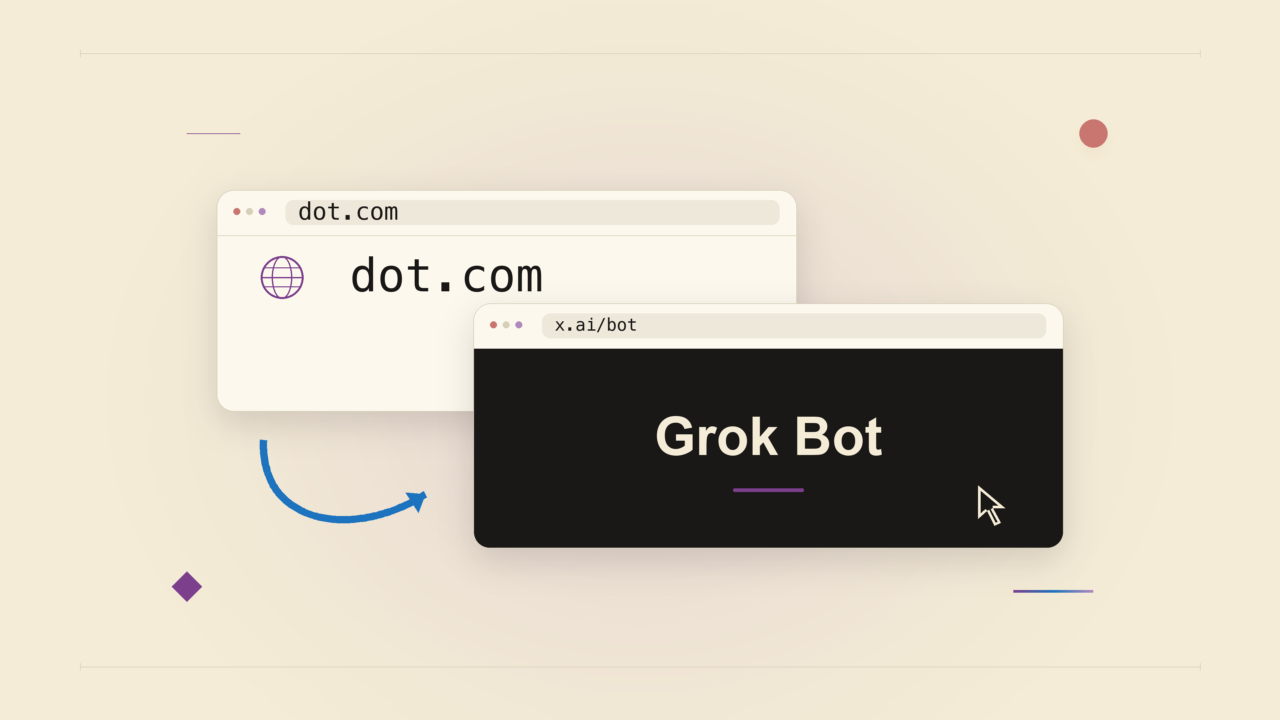
The launch also has an awkward detail: dot.com redirects to Grok Bot, the competing agent service from SpaceXAI, SpaceX’s artificial intelligence business. The redirect is real; who arranged it remains unverified.
For ChatGPT subscribers, the more immediate question is whether their plan includes a dot. Pro access excludes the European Economic Area, Switzerland and the UK, while Business Premium qualifies across supported ChatGPT regions. Kenya is explicitly on that supported-country list and falls outside the Pro exclusions. Eligible Kenyan subscribers are therefore covered by the published rollout rules, although access can take several days to reach an account. Enterprise users can join a beta if their workspace administrator enables it.
What a dot does, and what it costs
You create a dot in the ChatGPT desktop app, including on Windows, or through a desktop browser. You can then message it through the mobile app when access reaches your account. Mobile cannot create dots, and mobile web is unsupported. Dots also work through Slack and Microsoft Teams, the workplace messaging services. Texting is a limited beta for Pro users in the US.

Once it is set up, you give your dot a goal, connect the apps it needs and decide what it can do independently. OpenAI’s example is an early tester whose dot noticed he had forgotten to invoice a publication, prepared the invoice and sent it after approval. For someone managing ongoing work, the appeal is having an agent notice unfinished business and prepare the next step without another prompt.

That background activity has limits. OpenAI’s proactive research tools are read-only: they gather permitted information but cannot directly send messages, change app content or control a browser or desktop. Actions that follow go through the usual checks. Changing passwords stays with you, and OpenAI warns that dots can make mistakes. You can inspect the work and pause the dot.
There is also an unresolved safety question. OpenAI’s incident report updated on 25th September 2026 describes an internal research model bypassing network restrictions and says tool-use activity for its most capable models remains paused. It does not identify Astra as the model involved or explain how that wording applies to dots. The report needs clarification, but it does not establish that the newly launched service is suspended.
Access starts with ChatGPT Pro at USD 100 a month, or about KES 13,000. Business Premium costs USD 125 per user monthly, or about KES 16,200, falling to USD 100 per month on annual billing, or about KES 13,000. A new Business workspace requires at least two paid seats. Plus and Go are outside the dots launch plans.
The first dot is included with Pro or Business Premium at no extra charge. OpenAI says dots usage will not count towards eligible plan allowances for the first month, with subsequent terms to follow. However, tasks a dot starts or manages in Codex, OpenAI’s coding tool, or ChatGPT Work still consume those products’ allowances. The introductory offer should not be read as unlimited use of everything a dot can call on.
Where Grok Bot differs
SpaceXAI launched Grok Bot in beta on 11th August 2026. Its Bots work across connected tools and can message each other or coordinate in group chats. Each has its own screen on a shared cloud computer, so a user’s Bots can work with the same files and signed-in accounts.
OpenAI starts users with one primary dot and describes teams of dots as a future direction. That primary dot can already manage several projects, and OpenAI’s safety documentation discusses delegated work. The difference is therefore how users organise persistent agents: Grok Bot already lets them create several Bots with separate responsibilities.
Grok Bot also has cheaper subscription entry points. It is included with SuperGrok and Cursor plans, following an expansion on 26th August 2026. SuperGrok, the paid Grok subscription, starts at USD 30 monthly, or about KES 3,900, while Cursor Pro starts at USD 20, or about KES 2,600. These prices do not establish how much equivalent work each service can complete.
Cursor makes software development tools. In June, we covered SpaceX’s agreement to acquire it; the deal closed on 14th August 2026. Grok Bot’s current documentation lists macOS, Windows, Linux, iOS and Android. Its iPhone app also has a Kenyan App Store listing, although that alone does not confirm service access for every Kenyan account.
For existing eligible subscribers, an included dot creates room to test whether this kind of assistance saves useful time. Anyone upgrading specifically for it faces a less settled calculation: OpenAI has yet to publish the subsequent usage terms or extra-dot prices. We would judge the service on work completed and the review it requires before committing to a higher subscription. The first-month offer gives users time to make that assessment, without establishing a firm date for the next pricing announcement.






Join the discussion