

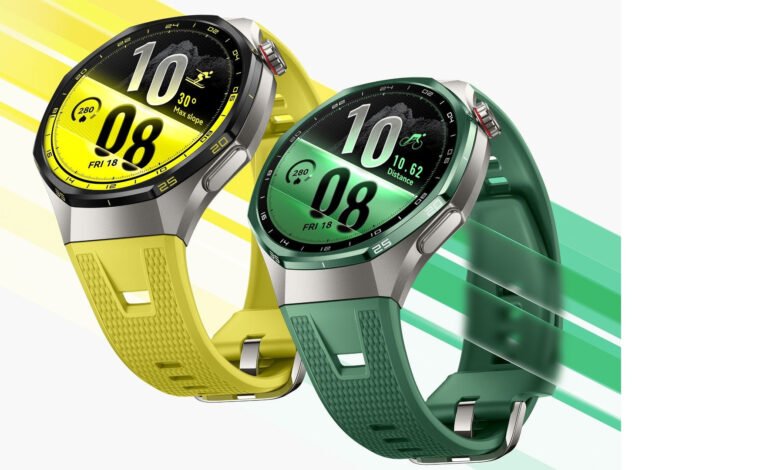
Huawei Kenya has added the Watch GT 7 and the Watch GT 7 Pro to its website, both tagged “NEW”. Neither page has a Kenyan price, so for that you have to go to the shops. Avechi, a Nairobi gadget retailer, has listed all three versions since 6th October: the 41mm GT 7 at about KES 27,000, the 46mm at KES 28,000 and the GT 7 Pro at KES 39,000.
The GT line is Huawei’s range of round smartwatches. They look like regular watches, pair with Android phones and iPhones through the Huawei Health app, and Huawei rates the larger models at up to three weeks on a charge. The GT 7 went on pre-sale in China on 5th August 2026, where the 46mm cost CNY 1,688 (about KES 33,000) and the Pro CNY 2,688 (about KES 52,000). The global launch came at a Munich event on 2nd September. Huawei launched the nova 16s phones there too, and at the time we said the watch had a better chance of reaching Kenya than the phones. It has.
The GT 6 hasn’t gone anywhere, though. Huawei brought it to Kenya last November, it’s still on Huawei Kenya’s site, and it now costs less than the GT 7. What does the extra money buy you, then?
What the spec sheets show
Put the GT 7 spec sheet next to the GT 6 one and you’ll struggle to find a difference. The 46mm case measures 46 x 46 x 10.95mm on both, and both weigh 51.3g without the strap. Each has a 1.47-inch AMOLED screen at 466 x 466 pixels, and the GT 6’s feature page already claimed the 3,000 nits of peak brightness Huawei now quotes for the GT 7. Sensors, Bluetooth 6.0 and dual-band GPS match too. So do the water ratings: 5 ATM, meaning you can swim in it, and IP69, which covers high-pressure water jets. Even the battery numbers line up, down to the 7 days Huawei quotes with the always-on display switched on.

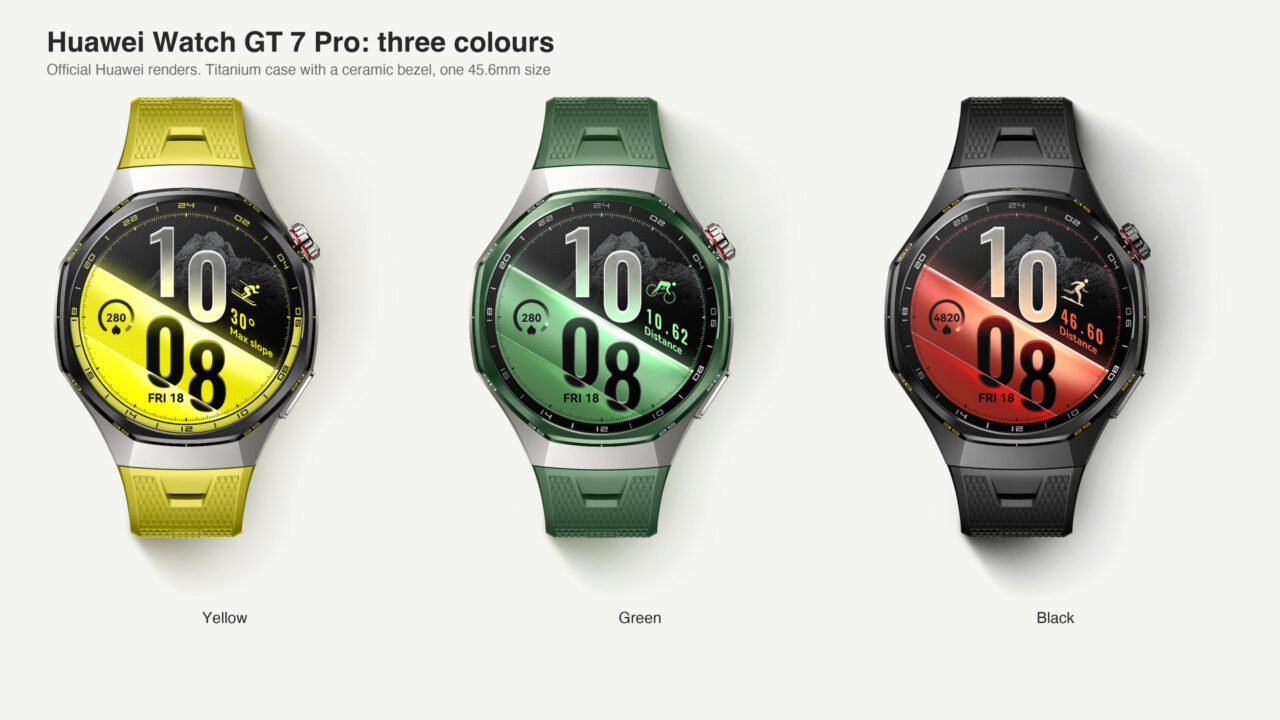
The Pros don’t differ much either. The GT 7 Pro and the GT 6 Pro both have a 45.6mm titanium case, sapphire glass over the screen, an ECG sensor that records your heart’s electrical rhythm, and free diving down to 40 metres. The GT 7 Pro adds a ceramic bezel and 0.8g of weight.
| GT 7 46mm | GT 6 46mm | GT 7 Pro | GT 6 Pro | |
|---|---|---|---|---|
| Case | 46 x 46 x 10.95mm, stainless steel | 46 x 46 x 10.95mm, stainless steel | 45.6 x 45.6 x 11.25mm, titanium, ceramic bezel | 45.6 x 45.6 x 11.25mm, titanium |
| Weight (no strap) | 51.3g | 51.3g | 55.5g | 54.7g |
| Screen | 1.47-inch AMOLED, 466 x 466 | 1.47-inch AMOLED, 466 x 466 | 1.47-inch AMOLED, sapphire glass | 1.47-inch AMOLED, sapphire glass |
| Peak brightness | 3,000 nits | 3,000 nits | 3,000 nits | 3,000 nits |
| ECG and depth sensors | No | No | Yes | Yes |
| Water | 5 ATM, IP69 | 5 ATM, IP69 | 5 ATM, IP69, free dives to 40m | 5 ATM, IP69, free dives to 40m |
| Battery (Huawei’s figures) | 21 days light use, 12 typical | 21 days light use, 12 typical | 21 days light use, 12 typical | 21 days light use, 12 typical |
| Price at Avechi | About KES 28,000 | About KES 24,200 | About KES 39,000 | About KES 31,000 |
One battery number does look like an upgrade. The 46mm GT 7 is rated at 51 hours of GPS workout tracking in “trail running mode”, while the GT 6 page gives 40 hours in “outdoor sport mode”. Those are different tests, and Huawei doesn’t compare them, so they don’t show that the GT 7 lasts longer.
What’s new is mostly software, and some of it comes later
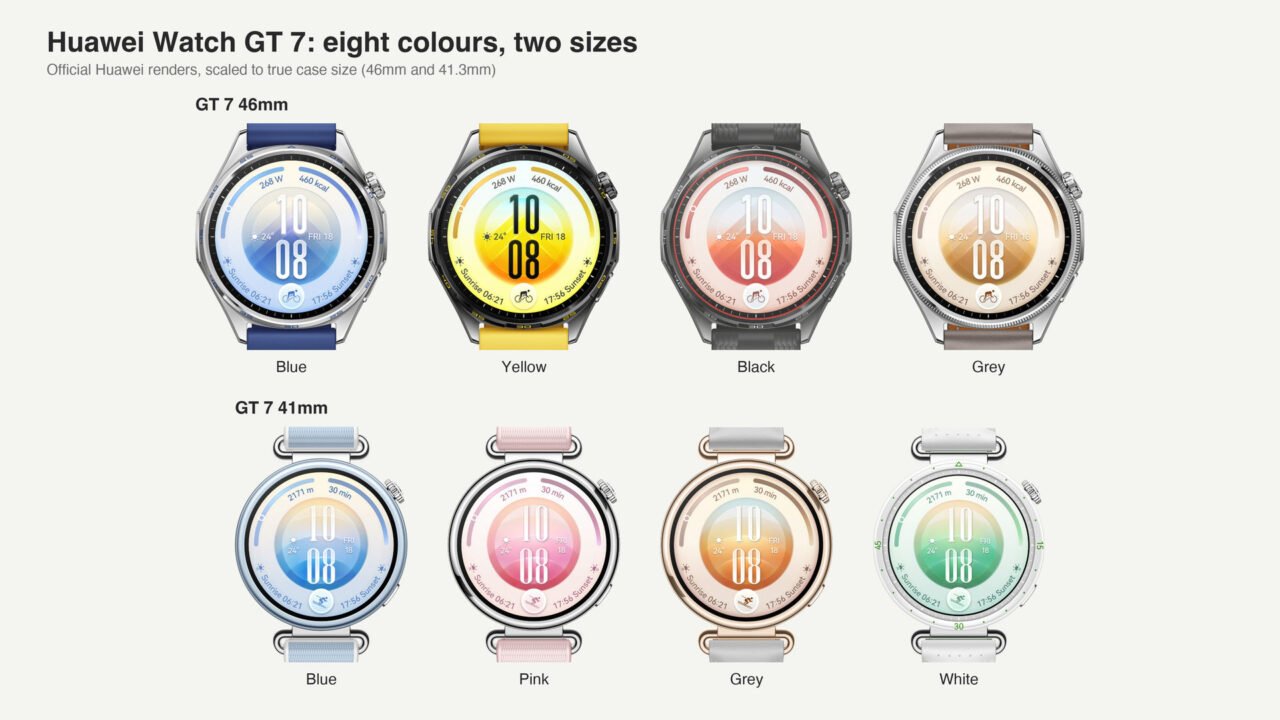
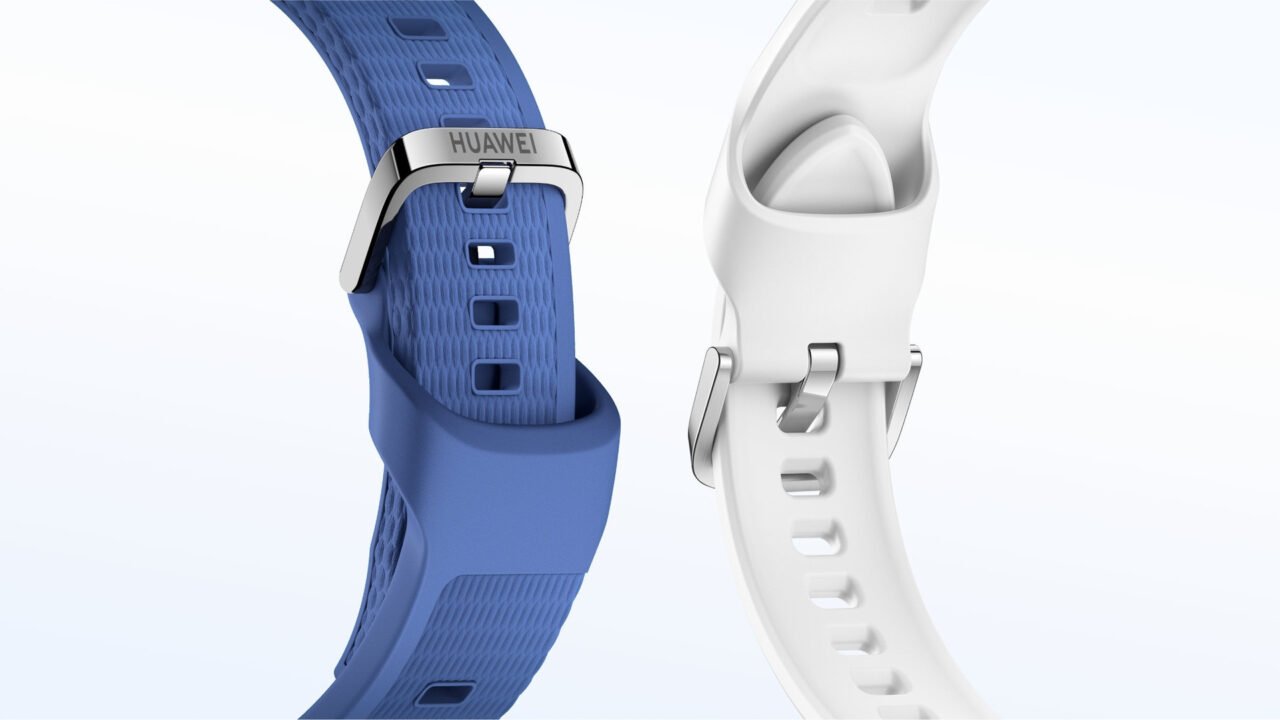
Huawei’s pitch for the GT 7 rests on a new strap and new software. The EasyCross strap tucks its loose end under the band so it doesn’t snag. There are new colours as well, among them a white 41mm edition with a nano-ceramic finish.
On the software side there are indoor and outdoor skiing modes with maps of over 3,000 ski resorts, cycling alerts for climbs and sharp turns, and a Physical Readiness score. That score looks at your sleep, heart rate, heart rate variability, activity and stress. Once you’ve worn the watch for three days and nights, it gives you a daily number telling you whether to train or rest.
Huawei’s footnotes mark the skiing modes, the sharp-turn alerts, the ski maps, the AI workout analysis and the readiness score as “Available via OTA update”. So these features reach the watch as updates, and one fresh out of the box may not have them yet. The readiness score and the AI workout analysis are also limited to “select markets”, with no list of those markets and no word on Kenya. The Diabetes Risk Study, which estimates your diabetes risk from 3 to 14 days of readings, is “only available in certain markets”, again unnamed.
Skiing gets the most space on Huawei’s pages, and it’s not much use in Kenya. The “20% greater route precision” Huawei claims over the GT 6 is for “high-speed snow sports” too.
GT 6 owners hoping for the new tricks get no answer either. Huawei Kenya’s GT 6 page doesn’t list the readiness score or the cycling alerts, and it doesn’t say whether an update will bring them.
What it costs here
The 46mm GT 7 costs KES 3,800 more than the 46mm GT 6, which sells for about KES 24,200. Between the Pros the gap is KES 8,000, with the GT 6 Pro at about KES 31,000.
For most people in Kenya, the GT 6 is the better buy while stocks last. The 46mm model gives you the GT 7’s case, screen, sensors and battery for KES 3,800 less. You give up the EasyCross strap and the new software, and Huawei doesn’t promise some of that software for Kenya anyway. The GT 7 Pro only makes sense over the GT 6 Pro if the ceramic bezel and the new modes are worth KES 8,000 to you. And if you already own a GT 6, nothing in the GT 7’s hardware is worth upgrading for.




Join the discussion