

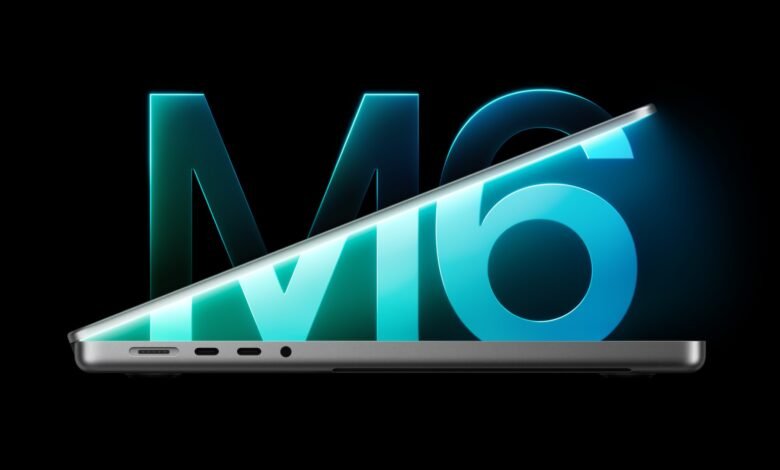
The M6 MacBook Pro starts with 1TB of storage, giving buyers more room for projects before they pay for a larger drive. Apple announced the new 14-inch laptop on 27th October 2026, with a US starting price of USD 1,999 or about KES 260,000. Pre-orders are scheduled for 28th October, with first deliveries and shop availability from 6th November in Apple’s launch markets.
This M6 model keeps the Liquid Retina XDR display, Apple’s name for its screen designed to show bright highlights alongside detail in dark areas. The touchscreen MacBook Pros we discussed earlier this week are separate expected models.
Apple’s current MacBook Pro range pairs the base M6 with M5 Pro and M5 Max options. The 16-inch laptop still uses M5 Pro or M5 Max. That distinction matters if you are choosing a machine for demanding work: the generation number and the chip tier tell you different things. M6 is a newer generation, but that alone does not make it faster than every chip with M5 in its name.
What changes from the M5
The M6 has a 12-core CPU, the processor that handles general computing work, and a 12-core GPU, which handles graphics and can also process AI calculations. The base M5 had 10 cores in each. Extra cores give software more resources to work with, although how much faster an app runs depends on whether it can use them.

Apple claims up to 30% faster graphics than the M5. In its selected app tests, it also claims up to 1.3 times the performance for building software in Xcode, Apple’s app development software. Those are Apple’s measurements, with particular tasks and configurations, so they cannot tell you how much quicker your entire working day will be.
For AI work, the M6 has dedicated accelerators inside its graphics cores and a Dual 16-core Neural Engine, Apple’s specialised AI processing hardware. These can shorten waits in supported tasks. Memory still determines how much working data the machine can hold, and the M6’s maximum stays at 32GB.
Unified memory is the pool shared by the CPU and GPU. Memory bandwidth measures how quickly data moves through that pool. Apple’s configuration details give the 16GB M6 model 153GB/s, while the 24GB and 32GB versions reach 170GB/s. Buyers choosing the cheapest configuration therefore do not get the maximum bandwidth advertised for M6.
Storage is the drive for your files, separate from the working memory used by open apps. The M6 starts at 1TB, while M5 configurations included a smaller 512GB drive.
| Specification | 14-inch MacBook Pro with M5 | 14-inch MacBook Pro with M6 |
|---|---|---|
| CPU / GPU cores | 10 / 10 | 12 / 12 |
| Unified memory | 16GB, 24GB or 32GB | 16GB, 24GB or 32GB |
| Memory bandwidth | 153GB/s | 153GB/s with 16GB; 170GB/s with 24GB or 32GB |
| Storage options | 512GB, 1TB, 2TB or 4TB | 1TB, 2TB or 4TB |
| Display | 14.2-inch Liquid Retina XDR, up to 120Hz | 14.2-inch Liquid Retina XDR, up to 120Hz |
| Wireless | Wi-Fi 6E, Bluetooth 5.3 | Wi-Fi 7, Bluetooth 6 |
| Advertised battery maximum | 24 hours video; 16 hours wireless web | 24 hours video; 16 hours wireless web |
The battery figures deserve attention because the 24-hour headline has not increased from M5. It is Apple’s video-streaming result; the wireless-web figure is up to 16 hours. Neither promises a full day of video editing on one charge.
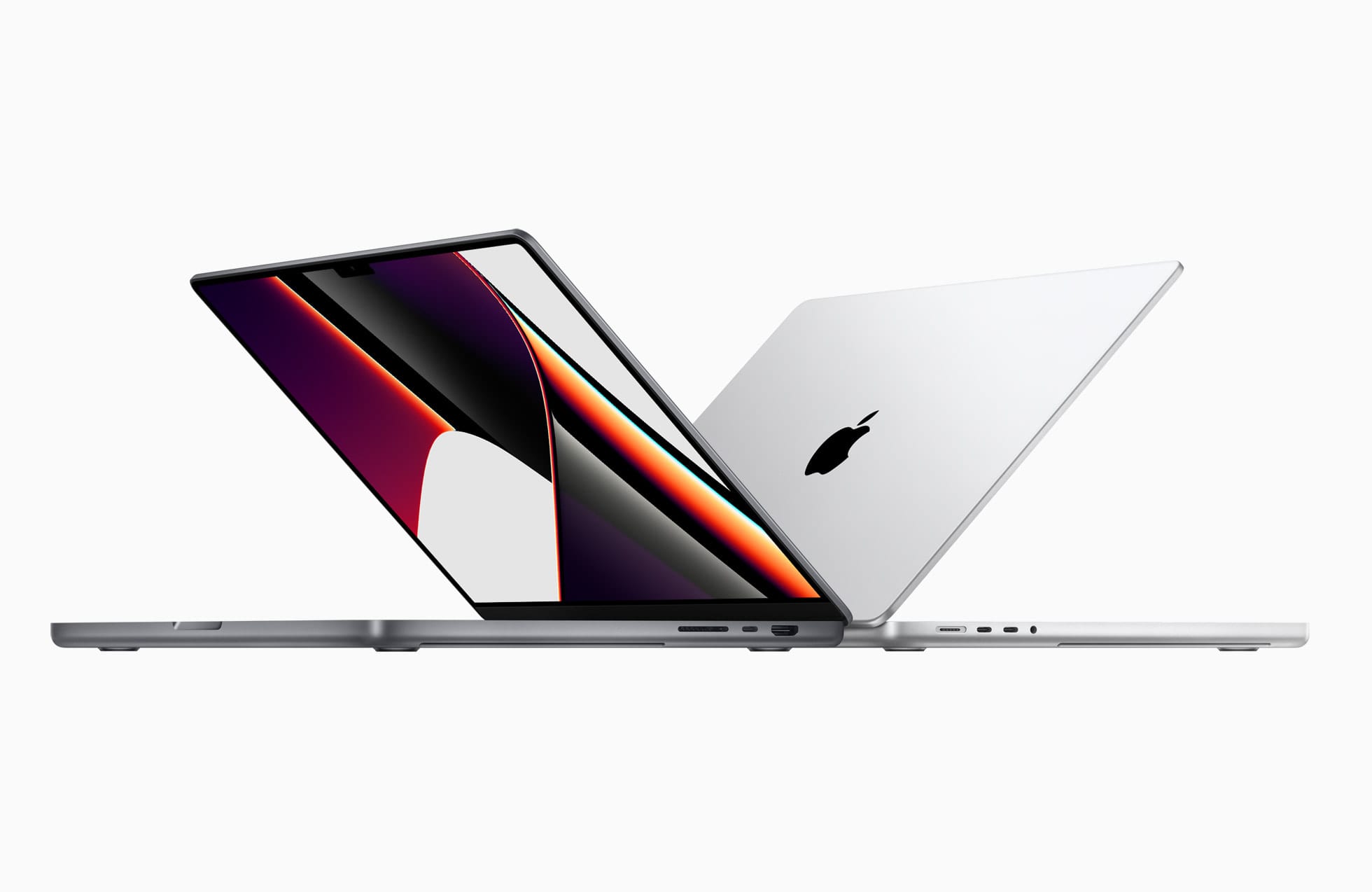
The M6 also retains three Thunderbolt 4 USB-C ports, alongside HDMI, an SDXC card slot, MagSafe charging and a headphone socket. Thunderbolt is the connection standard used for fast external drives and displays. M5 Pro and M5 Max models have Thunderbolt 5, so anyone comparing those machines should check the ports as well as the processor.
If you already own the M5, the M6 keeps the same memory limit, display and advertised battery life. Whether its performance gains save enough time to justify replacing your laptop needs testing. New buyers get a larger starting drive, while Kenyan buyers still need a confirmed delivery date and a final price that includes VAT. We will update this story when local stock and pricing are confirmed.





Join the discussion