

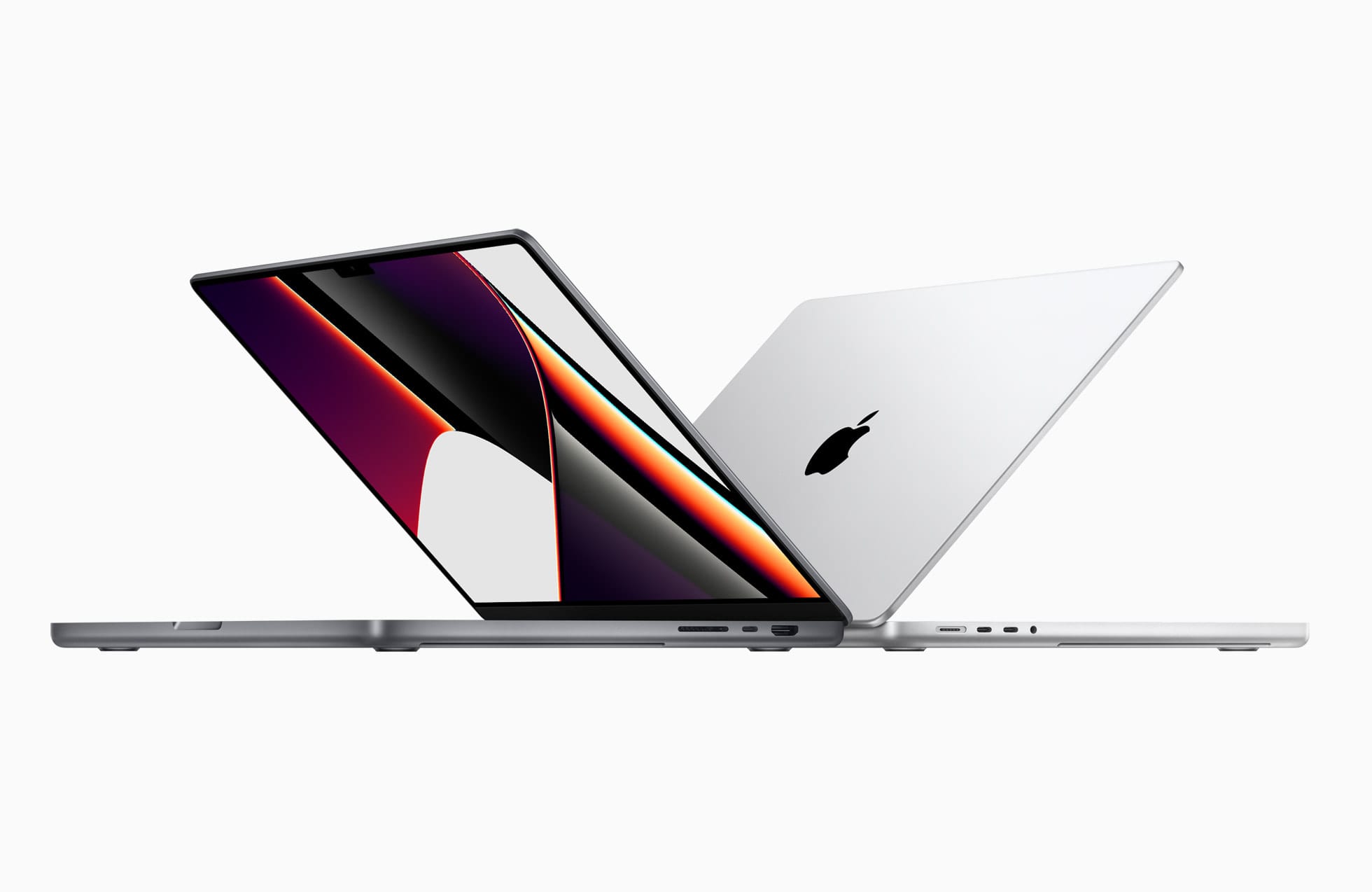
Apple is expected to announce its first Mac with a touchscreen on Wednesday 28th October 2026. Two redesigned MacBook Pros, a 14-inch and a 16-inch, will swap today’s mini-LED panels for OLED screens you can touch, and the notch at the top of the display gives way to a Dynamic Island, the pill-shaped cutout iPhones use to show live alerts. They’ll weigh less than the current models and cost more.
Apple hasn’t confirmed any of this. Mark Gurman laid out the details on Sunday. He reports on Apple’s unreleased products, and he had the date and the Los Angeles venue days before Apple executive Greg Joswiak teased a “Pro and Tell” launch on X on 19th October. Invited media get hands-on time in Los Angeles from 10am Pacific time.
What it could cost
On Apple’s US store, the 14-inch MacBook Pro with the M5 Pro chip starts at USD 2,499, or about KES 324,000, and the 16-inch starts at USD 2,999, about KES 389,000. The OLED models could start up to USD 500 higher, about KES 65,000 more, which would put the 16-inch at USD 3,499 or about KES 454,000.
Those prices have already gone up once this year. When Apple launched these models in March, the 14-inch M5 Pro cost USD 2,199 and the 16-inch USD 2,699. Apple added USD 300 to both in June, about KES 38,900, and blamed the cost of memory and storage. It’s the same squeeze that made the cheapest Mac mini 50% more expensive in August.

The extra money goes into the screen and the body. An OLED panel lights each pixel on its own and switches it off completely for black. The current Liquid Retina XDR panels light the picture from behind with thousands of tiny LEDs grouped in zones, so OLED gets deeper blacks and higher contrast. The chips don’t change, though. The new models use the same M5 Pro and M5 Max that Apple released in March, so if you’re buying a MacBook Pro for speed, Wednesday’s models should be no faster than the ones on sale today. Nobody has reported a weight yet; Apple lists today’s 14-inch M5 Pro at 1.60 kg and the 16-inch at 2.14 kg.
Touch is an extra on top of the keyboard and trackpad, and Apple is expected to present it that way. macOS Golden Gate, the name Apple gave macOS 27, is getting an interface that adjusts to how you’re working. Controls change when you touch the screen and change back when you go to the trackpad, tapping a button opens a menu around your finger, and the Dock and menu bar are being reworked for fingers. The laptops are also reported to have a stiffer hinge so the screen doesn’t wobble when you tap it.
Why Apple changed its mind
At a Mac event in October 2010, Steve Jobs dismissed touchscreen laptops, saying touch surfaces don’t want to be vertical because your arm tires after a while. Apple held that line for 16 years and sold the iPad as its touch computer instead. Gurman says Tim Cook and John Ternus, who took over from Cook as CEO on 1st September, concluded that buyers now expect a Mac they can touch, and pushed ahead over the objections of Apple’s industrial design team. Keeping the keyboard and trackpad at the centre was the compromise.
The current mini-LED MacBook Pros won’t disappear on Wednesday. They stay on sale for now and will be phased out later. As we reported when the invitations went out, Apple is also expected to show an M6 iMac, an iPad mini with an OLED screen and a 14-inch MacBook Pro that keeps today’s design but moves to the M6. That’s Apple’s first 2-nanometre chip, which arrived in the Mac mini in August. Further out, the entry 14-inch MacBook Pro is due for a redesign in 2027, and a refreshed MacBook Air is planned for early 2027 without OLED. OLED versions of the Air and the iMac are in testing but aren’t close. Sales of the new MacBook Pros may start on 6th November, a date Apple hasn’t given.
Buying one in Kenya
Apple doesn’t sell Macs directly in Kenya, so the new models will reach Nairobi through retailers who import them, and their prices sit above the US ones. Retailers list the current 16-inch MacBook Pro with M5 Pro from KES 405,000, about KES 16,000 more than its converted US price. When the MacBook Neo arrived here in March, the gap was far wider. If the same pattern holds, the 16-inch touch model would cost more than KES 454,000 in Nairobi shops.
If you were about to buy a MacBook Pro or an iMac, wait until Wednesday evening, when Apple’s prices and the M6 models will be public. For most buyers, the mini-LED MacBook Pro that stays on sale is the better deal. It has the same M5 Pro and M5 Max chips, so the OLED premium buys a better screen, touch and a lighter body, and no extra speed. That premium makes most sense for photographers, video editors and designers, who will use the OLED panel’s contrast every working day.






Join the discussion