

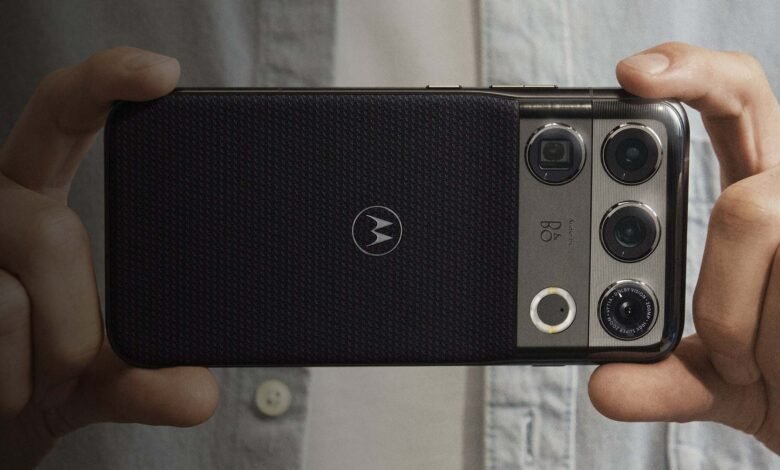
Motorola’s new Signature 27 will be the first Motorola phone to officially support GrapheneOS. Motorola confirmed it when it launched the phone on 5th November 2026. GrapheneOS isn’t available for the phone yet, and neither side has given a date.
We covered the Signature 27’s price and specs last week. If you care about privacy on Android, this is the most interesting thing about the phone.
What GrapheneOS is, and why it has needed a Pixel
GrapheneOS is a free version of Android built for privacy and security. A non-profit, the GrapheneOS Foundation, makes it from the Android Open Source Project, the open code every Android phone starts from, so it looks like Android and runs Android apps.
On a normal Android phone, Google’s apps are part of the system and get access that other apps don’t. GrapheneOS comes with none of them. If you want the Play Store you can install it, but it runs as an ordinary app with only the permissions you give it. You also get controls Android doesn’t have, like a second PIN that wipes the phone.

GrapheneOS only supports phones that meet a long list of security requirements, and today everything on its supported list is a Google Pixel device. Google doesn’t work with GrapheneOS, though. It stopped publishing the code needed to build Android for Pixels with Android 16 last year. Since then, GrapheneOS’s developers say they’ve had to do a lot of reverse engineering, which means taking Google’s finished software apart to see how it works.
What Motorola is doing differently
The Signature 27 is the first phone from a long-term partnership that Motorola and the GrapheneOS Foundation announced on 2nd March 2026.
Motorola says it built the phone to meet GrapheneOS’s requirements, and the big one is memory tagging. A lot of phone hacks work by tricking an app into touching a part of the phone’s memory it shouldn’t. With memory tagging, the chip puts a tag on each piece of memory and checks it whenever an app reaches for it. If the tag doesn’t match, the chip stops the app, so many of those attacks fail. The Signature 27 also has a separate security chip from NXP that guards your PIN and encryption keys, and seven years of updates. That’s why GrapheneOS says it meets all of its security requirements.
On the software side, Motorola has several engineers helping to get GrapheneOS running on its phones, and it’s giving GrapheneOS what it needs officially. So there’s no reverse engineering this time. Motorola isn’t paying GrapheneOS.
GrapheneOS will be an option on the phone, and Motorola’s own Android, with Google’s apps, stays the main software.
Why we’re excited, and what’s still missing
Until now, if you wanted GrapheneOS you bought a Pixel. Now there’s a second choice, and its maker is helping. GrapheneOS says cheaper Motorola phones will follow as they meet its requirements. That’ll take time, because among Qualcomm’s chips only the top ones have memory tagging so far.
Apps are where GrapheneOS still hurts. Some banking and government apps refuse to run on it, because they check with Google whether the phone is running Google-approved software, and Google doesn’t approve GrapheneOS. By GrapheneOS’s own count that’s about 10% of banking apps. Motorola’s support doesn’t change that, and Google Pay still won’t work.
On timing, Motorola only says more details will come in the coming months. Finishing Signature 27 support is GrapheneOS’s main priority once its current Android 17 update is out. GrapheneOS says you’ll be able to install it yourself, but Motorola hasn’t said whether it will sell phones with GrapheneOS already on them.
Then there’s the price. The Signature 27 starts at USD 1,599, or about KES 208,000.
What it means in Kenya
Google doesn’t sell Pixels here, and the phones arrive through independent importers with no local warranty. Motorola’s phones do reach Kenyan shops, and the first Signature sells at a Nairobi retailer for KES 121,499. Motorola hasn’t given a Kenyan price for the Signature 27.
The community-run list of banking apps tested on GrapheneOS has no Kenyan section, so there’s no public record of whether the M-PESA app or any Kenyan bank’s app runs on it. We’d want to see those tested before moving a main phone over.
At USD 1,599, this first phone is for very few people. We’re still excited, because a phone maker has now built a phone to GrapheneOS’s requirements, and the next ones should cost less.



Finally, i will never have to buy pixel garbage