

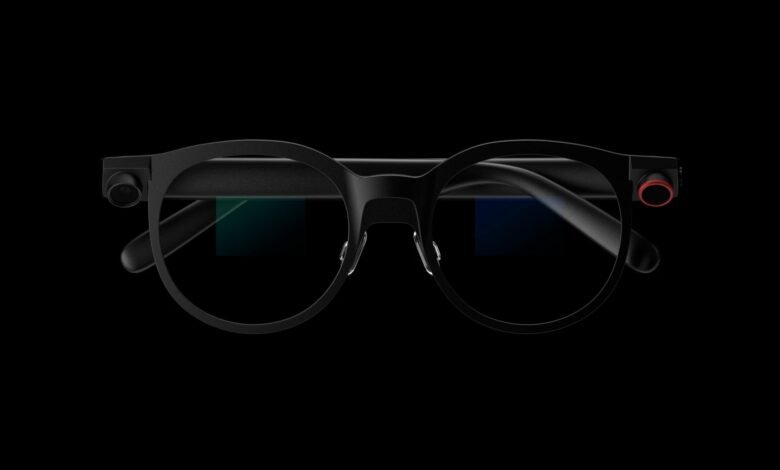
A Hong Kong startup called Savage Technology has opened reservations for its first product, the Orrorin Glasses. They cost USD 799, or about KES 104,000, and Savage says they bring “Vision Pro-level interaction” to glasses that weigh 45g. Apple’s Vision Pro headset weighs 750 to 800 grams before its 353g battery, and starts at USD 3,499, or about KES 455,000.
The comparison is about control. On a Vision Pro you look at something and tap your thumb and finger together to select it. Orrorin keeps the pinch and drops the extras: no touch bar on the frame, no ring, no wristband.
How the pinch works
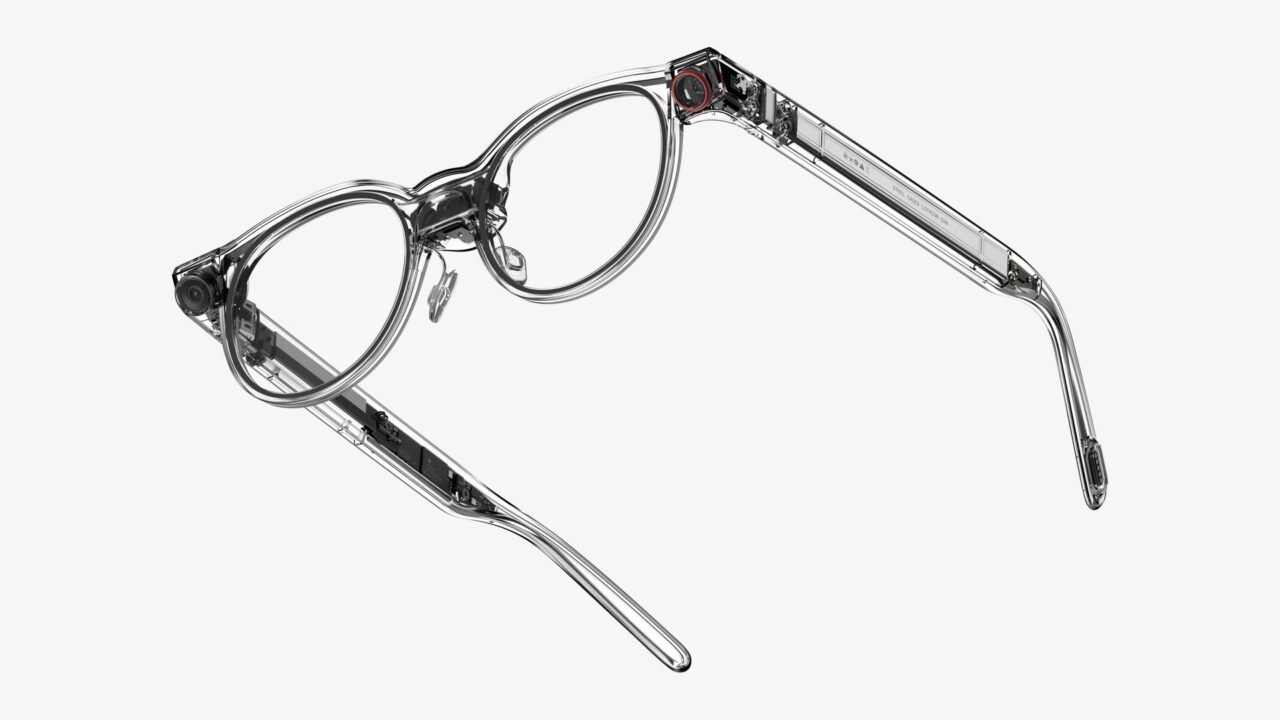
A forward-facing camera with a 110-degree view watches your hand. Holding a hand up gets tiring, so Savage’s Spatial Pinch reads a small pinch made down at your side and uses it to move through what’s on the screen. You never reach out for an icon.
The eyes do less than on Apple’s headset. Two inward-facing cameras track your gaze, but not to point at things. In their own account, the founders say gaze pointing on the Vision Pro didn’t feel natural, because “our eyes jump around without us meaning to.” So Orrorin only checks whether you’re looking at the display, and fades it out when you look away. So you pinch to use it, look away to dismiss it, and wear nothing else.

What it can’t do
Each lens has a full-colour MicroLED display at 500 by 380 pixels and up to 1,800 nits, covering a 25-degree field of view. Batteries in both arms total 450mAh, rated for up to 10 hours.
The glasses run SavageOS, Savage’s own system rather than Android, on 64MB of memory, tiny next to a phone. The FAQ says that’s enough for one app at a time plus one or two background tasks.
Orrorin also leaves a lot out. It can’t take photos or record video, because its camera is for sensing your hand. The speakers handle alerts, not music. It doesn’t map your room, so it can’t pin a virtual window to your wall the way a Vision Pro does. Savage says AI processing stays on the glasses and third-party apps won’t get raw camera images, a promise that matters after Kenyan annotators told Swedish journalists they reviewed intimate footage from Meta’s camera glasses.
Developers get an open SDK for the pinch and eye controls. Savage’s promise that AI coding tools will build apps for the glasses is marked “upcoming”.

The rivals and the wait
Meta’s Ray-Ban Display also costs USD 799, but has a screen in one lens only and reads gestures through the Neural Band, a wristband in the box. Samsung’s Gemini glasses, on sale from 10th December at USD 395 or about KES 51,000, have no screen.
Orrorin isn’t finished. It’s in engineering validation, the stage where a company tests whether its hardware design works before mass production. You reserve with a deposit that counts toward the USD 799: USD 199 (about KES 25,900) for the Founder Edition, due in March 2027, or USD 29 (about KES 3,800) for Early Bird, due in May 2027. The terms add a USD 49 (about KES 6,400) In Line tier for July 2027. Early Bird and In Line deposits are fully refundable, while Savage may keep a justified part of a Founder Edition deposit. Every date is an estimate, and orders ship from China.
Savage’s public pages don’t say which countries it ships to, so Kenyans can’t count on it yet. Meta doesn’t officially sell its display glasses here either.
On paper, a screen in both eyes, no wristband and a 45g frame put Orrorin ahead of Meta at the same price. Nobody outside the company has used a production unit, though, so the USD 29 deposit is a bet that a young startup delivers in 2027.





Join the discussion