

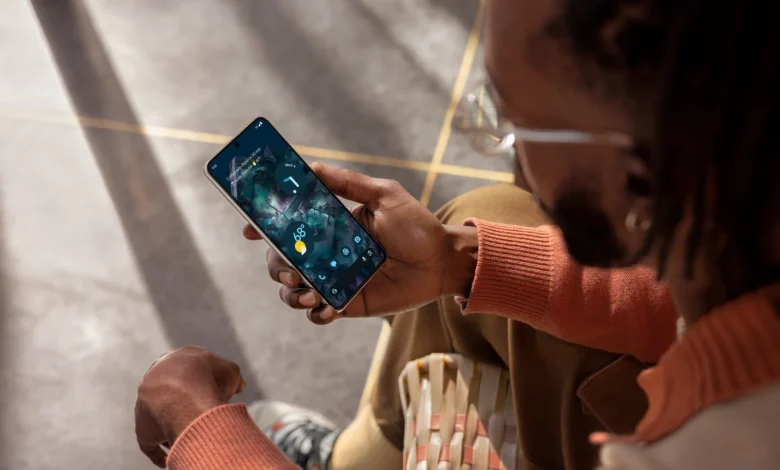
The New Era of Long-Term Smartphone Updates
The smartphone industry is witnessing a significant shift towards longer software support lifespans, with Google and Qualcomm announcing a groundbreaking commitment to providing up to eight years of Android updates. This move, introduced alongside Qualcomm’s latest Snapdragon 8 Elite chipset, marks a major turning point in how long Android devices can remain relevant and secure.
For years, Apple has been the leader in long-term software updates, offering six to eight years of iOS support on iPhones. Until recently, most Android manufacturers lagged behind, typically capping updates at two to three years. However, Samsung, Google, and now Qualcomm are pushing to change that narrative, introducing software policies that could not only match Apple’s record but, in some cases, surpass it.
This transformation isn’t just about convenience—it’s a shift that could redefine smartphone longevity, impact consumer purchasing habits, and even contribute to sustainability efforts.
Google and Qualcomm’s 8-Year Commitment: A Game-Changer
The biggest leap in Android Updates support comes from a collaboration between Google and Qualcomm, ensuring that devices powered by Snapdragon 8 Elite and upcoming Snapdragon 8- and 7-series processors can receive software and security updates for up to eight years.

How It Works
- Android Common Kernel (ACK) Support: Qualcomm will provide two major kernel upgrades, ensuring its chips remain compatible with newer versions of Android throughout their extended lifecycle.
- OEM Flexibility: While Qualcomm is enabling eight years of updates, it’s up to phone manufacturers (OEMs) to implement them. Some brands may still limit updates despite this capability.
- First Devices to Benefit: Smartphones launching with the Snapdragon 8 Elite and Android 15 will be the first to take advantage of this extended support. Future Snapdragon-powered flagships from Samsung, OnePlus, Google, and Xiaomi will also be eligible.
By offering extended updates at the chipset level, Qualcomm eliminates a major bottleneck, allowing manufacturers to support their devices for longer without incurring extra costs.
Apple’s Long-Standing Dominance in Software Support
For over a decade, Apple has set the gold standard for software longevity. iPhones consistently receive six to eight years of iOS updates, ensuring they remain secure and functional long after launch.
This long-term support model has given Apple a competitive advantage:
- iPhones retain higher resale value than Android phones.
- Users can keep devices longer, reducing electronic waste.
- Security patches are reliable, preventing vulnerabilities in older devices.
Until now, Android struggled to match this longevity, with most manufacturers offering only three years of updates and forcing users to upgrade more frequently. Qualcomm’s new eight-year support initiative, combined with recent moves by Google and Samsung, is an attempt to close (or even surpass) that gap.
Samsung’s Seven-Year Update Policy: The Best Yet
Among Android manufacturers, Samsung has led the charge in extending software support. As of the Galaxy S24 series, the company has committed to seven years of Android OS updates and security patches—matching Google’s promise for the Pixel 8 series.
Why This Matters
- Samsung users can now keep their devices longer, knowing they will stay secure and updated until at least 2031.
- This places Samsung ahead of most other Android brands and close to Apple’s long-standing update cycle.
- The move adds value to Samsung’s premium phones, making them a more future-proof investment.
Samsung’s seven-year policy proves that extended software support isn’t just a marketing gimmick—it’s becoming a new industry standard.
Google’s Seven-Year Pledge: Bold but Questionable
Google’s announcement that Pixel 8 and Pixel 8 Pro will receive seven years of updates is a major milestone. Theoretically, a Pixel 8 purchased in 2023 will remain updated until 2030, aligning with Samsung’s new standard.
However, Google’s track record raises skepticism:
- Google has a history of abandoning projects prematurely.
- Older Pixel phones received inconsistent update support.
- Some doubt whether Google will actually fulfill its seven-year commitment or quietly adjust its policy in a few years.
Still, if Google follows through, this raises the bar for the entire Android ecosystem.
Qualcomm’s Eight-Year Promise: Sustainability and Future-Proofing
While Google and Samsung offer seven years of updates, Qualcomm’s eight-year initiative introduces a new ceiling for longevity. This isn’t just a win for consumers—it’s also a significant step towards sustainability.
How Extended Updates Impact Sustainability
- Fewer phones end up in landfills. With software support lasting longer, users are less likely to replace devices prematurely.
- Reduced electronic waste. The tech industry generates massive e-waste due to short device lifespans.
- Encourages a shift away from planned obsolescence. Many manufacturers intentionally limit updates to push new phone sales. Qualcomm’s initiative challenges that practice.
This shift could help counteract the industry’s disposable culture and lead to a future where long-term device usage becomes the norm rather than the exception.
Challenges and Limitations
Despite these promising developments, there are still obstacles to true long-term smartphone usage.
1. Battery Degradation
While software support may last eight years, battery lifespan remains a weak link. Most smartphone batteries degrade after 3–5 years, requiring replacements. Unless manufacturers make battery swaps easier, long software support won’t fully translate to longer device lifespans.
2. Performance Over Time
Even with continued updates, aging hardware may struggle with newer Android features:
- Advanced AI-powered software could outpace older chipsets.
- Slower processors may lead to lag and reduced efficiency.
- Some features might be omitted for older devices to prevent performance issues.
3. OEM Adoption Remains Uncertain
Qualcomm’s eight-year Android Updates support capability means nothing if phone manufacturers don’t implement it. Some brands may choose to limit updates despite Qualcomm enabling them.
For now, Samsung and Google have signaled participation, but it remains to be seen if OnePlus, Xiaomi, OPPO, TECNO, Infinix and other brands will adopt similar policies.
Conclusion: The Future of Long-Term Smartphone Support
The smartphone industry is undergoing a seismic shift in software longevity, and that’s a win for consumers.
- Apple’s long-standing software support set the bar for longevity.
- Samsung and Google now offer seven years of updates, closing the gap.
- Qualcomm’s eight-year initiative pushes the industry even further.
For users, this means longer-lasting phones, better security, and more value from each purchase. For the environment, it means less e-waste and a step towards sustainable tech consumption.
While challenges remain—battery lifespan, hardware limitations, and OEM adoption—this trend represents a fundamental shift in the smartphone industry. What once seemed impossible—Android phones receiving longer updates than iPhones—is now becoming reality.
The next question? Whether manufacturers will actually follow through on these promises. But if they do, we could be witnessing the dawn of a new era where software longevity is a defining feature of the smartphone experience.




Join the discussion