
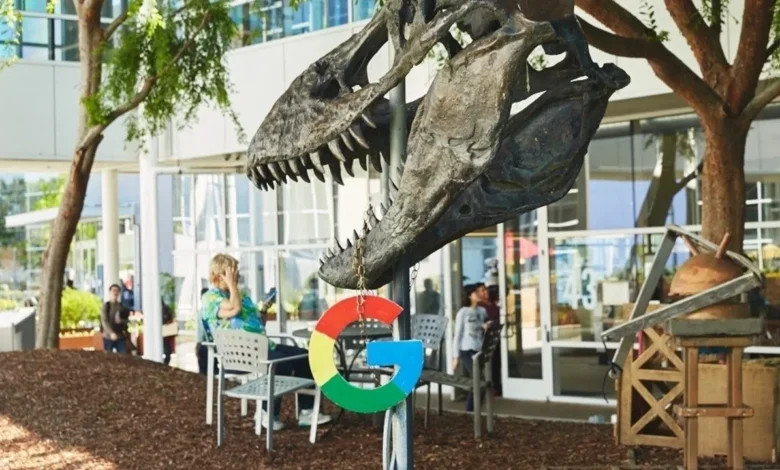
Grab your popcorn, folks, because the tech world’s courtroom drama of the year just wrapped up its latest episode. And no, it’s not about Elon Musk tweeting something wild. This time, it’s Google vs the United States Department of Justice (DOJ) — and the future of Search, Chrome, Android and maybe even your privacy is on the line.
Let me catch you up.
The Case Background
The DOJ has been battling Google over its alleged monopoly in the search engine market since 2020. The core of the case? Google’s distribution agreements with companies like Apple, Samsung, and Mozilla, which make Google the default search engine on their devices and browsers. The US government says this stifles competition and wants Google to be reined in, broken up, or forced to share its juicy data with rivals like Microsoft, OpenAI, and even lesser-known players. Google, however, insists that its dominance is due to the quality of its search engine and that users have plenty of alternatives, especially with AI-powered competitors like ChatGPT gaining traction with the addition of shopping features that have traditionally relied on search.
A federal judge already ruled last year that Google used exclusionary deals to lock in its dominance. Now comes the remedies phase – essentially a sentencing hearing. The DOJ wants Google to end its exclusive search deals, share search data with rivals, and even spin off products like the Chrome browser and possibly Android to help restore competition. Google is fighting back. In a series of public posts, its lawyers argue the DOJ’s plan isn’t about helping users at all, but about handing benefits to deep-pocketed rivals.

While this might be happening miles away, Kenyans should pay closer attention. After all, Android phones and the Chrome browser are everywhere here, and changes to Google Search could ripple across our tech ecosystem.
What’s Happening in Court
A 2023 ruling found Google “is a monopolist” in general search. To fix that, the DOJ wants a host of remedies: break Google’s default agreements with Apple, phone-makers and browsers; force Google to syndicate its search results; and possibly force the sale of Chrome or even Android. Google argues these remedies are extreme. According to CEO Sundar Pichai, giving away Google’s search “trade secrets” would hurt privacy and innovation. The DOJ (backed by experts and the FTC) counters that competition isn’t really happening under the old rules.
In brief, Google says: We already face intense competition from AI rivals and others, and the DOJ hasn’t shown how these punishments help consumers. On the other hand, the DOJ says: Your monopoly must be undone or it will never end.
Google’s Arguments Against DOJ’s Remedies
Google’s defense boils down to a few key points. According to the search giant, the proposed fixes benefit only Google’s competitors, not users, and would make everyday Google products worse.
- Competitors pushing for a win: Google notes that some big rivals have testified they want its search “keys.” Executives from AI firms like OpenAI and Perplexity openly said they’d buy Google’s Chrome browser if it was spun off, admitting they want Google’s data and distribution channels. Yahoo’s search boss said Apollo (Yahoo’s owner) would bid on Chrome and default it to Yahoo’s engine. Even Microsoft (another Google rival) stands to gain. Google’s team argues this shows DOJ’s remedies are being driven by deep-pocketed competitors hungry for Google’s search index and advertising funnels, not by consumers wanting a better search.
- Privacy and security at stake: Forcing Google to dump massive amounts of search data into a public bucket is a privacy nightmare. Google points to testimony from private experts: the DOJ’s plan would demand more data than even Europe’s strict rules, “threatening to reveal people’s personal information”. Industry groups warn forced sharing is “virtually certain” to spark breaches. In fact, a Microsoft witness (from the rival most poised to benefit) agreed the privacy concerns “are not made up”. Google argues: why solve a competition problem by risking billions of users’ data?
- Breaking Chrome/Android would backfire: Google insists that spinning off products like Chrome or Android would ruin those products and jack up costs. The Chrome browser (used by billions) is deeply integrated into Google’s infrastructure. Parisa Tabriz, Chrome’s security lead, testified a cut-off Chrome would become “insecure and obsolete”. Columbia professor Jason Nieh agreed that severing Chrome from Google’s systems would “degrade” safety features like Safe Browsing, ChromeOS updates and more. (About 90% of Chrome’s code comes from Google’s team, so independent developers would struggle to maintain it.) And Android is even bigger globally: the DOJ asked the court to consider selling off Android itself. But Google warns that if Android were unbundled, phone makers would have to pay steep new licensing fees for Google Search and apps — costs sure to be passed on to consumers (think Tecno and Infinix’s cheap smartphones possibly going up in price). In short, Google says forcing breakup lowers product quality and drives up prices.
- No clear wins for consumers: Perhaps most critically, Google says the DOJ has offered no clear benefit to users. If anything, taking away Google’s resources could hurt search itself. Google pours $49 billion a year into research and development. Lawyers point to testimony by economists: forced sharing would make rivals simply copy Google’s old solutions instead of innovating new ones. Google argues the remedies would answer competitors’ wishes but leave ordinary internet users with worse search experiences. As Google puts it, the DOJ “never showed how these extreme fixes would actually help people”.
In summary, Google’s team paints the DOJ’s plan as solving a competitor’s problem at the expense of everyone else.
Experts Weigh In: Browser Makers, Apple, Academics…
The trial has featured colorful testimony from many tech insiders — not just Google’s team. Here are some highlights from others who sounded alarms:
Firefox maker Mozilla: Mozilla’s CFO Eric Muhlheim warned bluntly that cutting off Google’s payments to Firefox could kill his company. Under the DOJ’s proposal, “it’s very frightening… Firefox could be put out of business” he testified. He explained Firefox depends on Google revenue (about 85–90% of Mozilla’s income) to fund development of the Gecko browser engine. If that money vanished, Mozilla would make “significant cuts” and slow innovation – a “downward spiral” that hurts users. In other words, competing browsers and the open web itself could suffer. Muhlheim also noted Gecko is the only non-corporate browser engine left. If Mozilla shrinks, Microsoft’s Chromium and Apple’s WebKit would dominate, meaning we might lose the alternative voice for a faster, more private web.
Apple’s view: Eddy Cue, Apple’s head of services, testified that Apple promotes Google Search simply because “it’s the best search engine”. He warned that DOJ rules making Google non-exclusive on devices could limit people’s choice — not expand it. (Apple, after all, chose ChatGPT as a featured AI in its new iPhones.) Cue’s message: Apple users like having Google by default for good reason, and forcing complex switches won’t help their experience.
Academic and security experts: Columbia professor Jason Nieh and Google’s own security chief offered technical caution. Nieh said disentangling Chrome is “highly challenging” and would literally degrade user safety and features. Google’s Heather Adkins testified that if Chrome’s security infrastructure is severed, “billions” of users could face new cyber-attack risks. Privacy scholar Dr. Chris Culnane pointed out that the DOJ’s data-sharing plan exceeds even the EU’s rules and “threatens widespread privacy breaches”. Economist Kevin Murphy warned that shortcutting rivals into Google’s toolkit “usually doesn’t work out the way you want” and ultimately slows innovation. In short, many experts on innovation, browsers and cybersecurity sided with Google in saying the DOJ’s remedy list could do more harm than good.
What It Means for Kenyans
Though this is a US trial, Kenyans use these products every day. Here are some potential local impacts to keep an eye on:
- Higher smartphone prices. Android powers the vast majority of Kenyan phones, and many devices (even the sub-Kshs 10,000 Neon smartphones sold by Safaricom) rely on Google’s free search/apps bundle. If Android were broken off or its search deal limited, manufacturers might have to pay Google licensing fees. Those costs would likely be passed to buyers. Kenyans who now enjoy super-cheap Android devices could end up paying more for the same phone features.
- Weaker browser security. Chrome is the most-used browser in the world. Google argues that spinning Chrome out would strip away its coordinated security updates (Safe Browsing, OS-level patches, etc). That could mean more malware or phishing hits. For example, Chrome’s Safe Browsing feature (warning users before visiting dangerous sites) depends on Google’s back-end. A standalone Chrome might not push updates fast. Millions who rely on Chrome for online banking, shopping or news might face increased risk if the browser’s safety shield weakens.
- Changes in ads and search results. Many Kenyan businesses and content creators depend on Google’s ad platforms to reach customers (think Google Ads, YouTube ads, etc.). If rivals like Yahoo or OpenAI get access to Google’s search index/data, those platforms could change dramatically. Advertisers might see new options or bidding wars. This could raise ad costs or shuffle traffic unpredictably. Similarly, everyday search results in Kenya might start coming from new indexes or be presented differently. We could see more AI-powered summaries, different default engines, or a shift in which apps show first. It’s too soon to predict exactly, but local tech companies should watch for any shift in Google’s ad and search market.
- Less competition for the web. Finally, if Firefox or other browsers shrink (as Mozilla warns), users could end up with fewer choices. A less competitive browser market could slow new features and harden the status quo.
Overall, any change to Google’s setup could touch Kenyan internet users. Even something like a smaller Chrome team could delay security fixes for everyone online here. Likewise, pricier phones or changing ad rules would ripple through Kenya’s digital economy.
Who Gets the Last Word?
The trial is far from over. Judge Mehta will consider all this testimony before ruling on which remedies (if any) Google must accept. The outcome will set a global precedent: billions of users worldwide depend on Google Search, Chrome and Android every day.
Naturally, I’m watching this closely. On one hand, breaking big tech monopolies sounds like it could empower local innovators. But the reality might hit home: I’m worried our next Android might cost more, or my favorite browser less secure, without any real benefit for me or local startups. The DOJ says it’s fighting for competition, but we must ask — at what price?
Regardless of who “wins” in court, it’s quite clear that the Google search trial isn’t just an American story. It will influence how all of us search for information, how our phones work, and how our apps connect to the world. Kenyans should pay attention — the judge’s decision could affect the tech in our pockets and the safety of our internet for years to come.







Join the discussion