

Insights At a Glance:
- The Kenyan government floated a tender on June 17, 2025, to acquire powerful internet firewalls and a central control system under the guise of cybersecurity.
- These tools can be used to monitor, censor, or block online content—raising serious concerns about surveillance, online freedom, and political control.
- With no clear oversight, the deal risks turning Kenya’s internet into a monitored space, especially for activists, journalists, and vocal citizens.
On June 17, 2025, the Government of Kenya quietly floated a tender for some rather high-tech shopping: a fleet of powerful internet firewalls—and no, not the kind you find on a construction site. These are digital gatekeepers, and the timing couldn’t be more suspicious.
The deal, fronted by the ICT Authority under the Kenya Digital Economy Acceleration Project, seeks to procure:
- 6 High-Performance Internet Gateway Perimeter Firewalls
- 2 Internal (DMZ) Firewalls
- 2 Central Firewall Management Consoles
Sounds harmless? Maybe. But in a country where digital freedom is increasingly being policed, it’s important to break down what this really means for everyday Kenyans.
First Things First: What’s a Firewall?
Think of a firewall as a digital bouncer. It decides which internet traffic gets in, which stays out, and who gets kicked to the curb. Now imagine that bouncer being backed by state power, stationed at every internet gateway, and watching all the traffic going in and out. That’s what Kenya is buying—but make it six.

These gateway firewalls monitor everything we do online: from TikToks and tweets to private messages and Google searches. Combine that with two internal firewalls—meant to monitor communications within networks—and you’ve got a government that’s not just watching the front door, but also lurking in the kitchen.
And the icing on the surveillance cake? Two central command consoles that can manage all the firewalls from one location. That’s full control over what passes through Kenya’s digital pipes—or doesn’t.
But Why Now?
This isn’t just about cybersecurity. It’s about timing.
The move comes hot on the heels of troubling developments in Kenya’s digital and human rights space. From the controversial Cybercrimes Bill to reported abductions of online activists like the recent case of Albert Ojwang, who vanished for days after criticizing government policy online, Kenya is treading a fine line between safety and censorship.
While the official justification is to secure Kenya’s digital economy, critics are seeing red flags—not firewalls.
What Could Go Wrong?
A lot, actually. These tools can be used to:
- Block websites or social media platforms during protests or elections.
- Monitor private chats, especially encrypted ones.
- Track activists, journalists, and dissidents through metadata and traffic patterns.
- Shut down the internet or slow it down selectively.
And with everything managed centrally, such actions can be done in a click—no messy paperwork needed.
Should We Be Worried?
Yes and no.
Yes—because there’s little public oversight on how these tools will be used. Kenya doesn’t have strong, enforceable laws that prevent misuse of surveillance tech. And no one wants to live in a country where every meme, tweet, or blog post could land you in trouble.
No—if these tools are used responsibly, with transparency, and to genuinely protect public infrastructure against cyber threats like hacking, fraud, or data breaches. But we all know too well that they won’t be used responsibly.
The Bottom Line
Kenya’s new firewall shopping spree could either safeguard our digital future or silence dissent with a digital muzzle. Until we get firm guarantees and safeguards, the question on many lips remains:
Are we protecting ourselves from cybercriminals—or becoming the watched, in a government-run reality show?Either way, it’s time for Kenyans to ask harder questions—not just about who’s guarding the digital gates, but who’s watching the watchers.
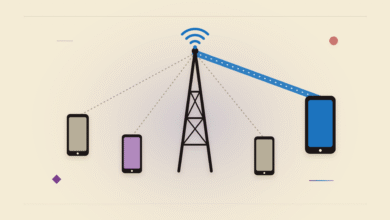
Here’s an infographic of what this deal means for Kenyans:





Join the discussion