


Safaricom and Airtel are locked in a quiet but aggressive war for your living room.
Not through fiber trenches or estate-by-estate cable rollouts, but through the air. 5G Home Internet. Fixed Wireless Access (FWA). Plug-and-play broadband. Call it what you want, but this is easily the most important connectivity shift happening in Kenya right now.
And if you’ve been sitting on the fence about buying one of those KES 2,999 5G home routers from Safaricom or Airtel, here’s my unsolicited advice:
Now might be the cheapest you’ll ever see them. Because globally, something is breaking.
The broadband gold rush
For years, fiber has largely been a city luxury. If you live in Nairobi, parts of Mombasa, Kisumu, or Eldoret? Great. If you’re in a smaller town or peri-urban setup? You probably know the struggle.
That’s where 5G home broadband stepped in.
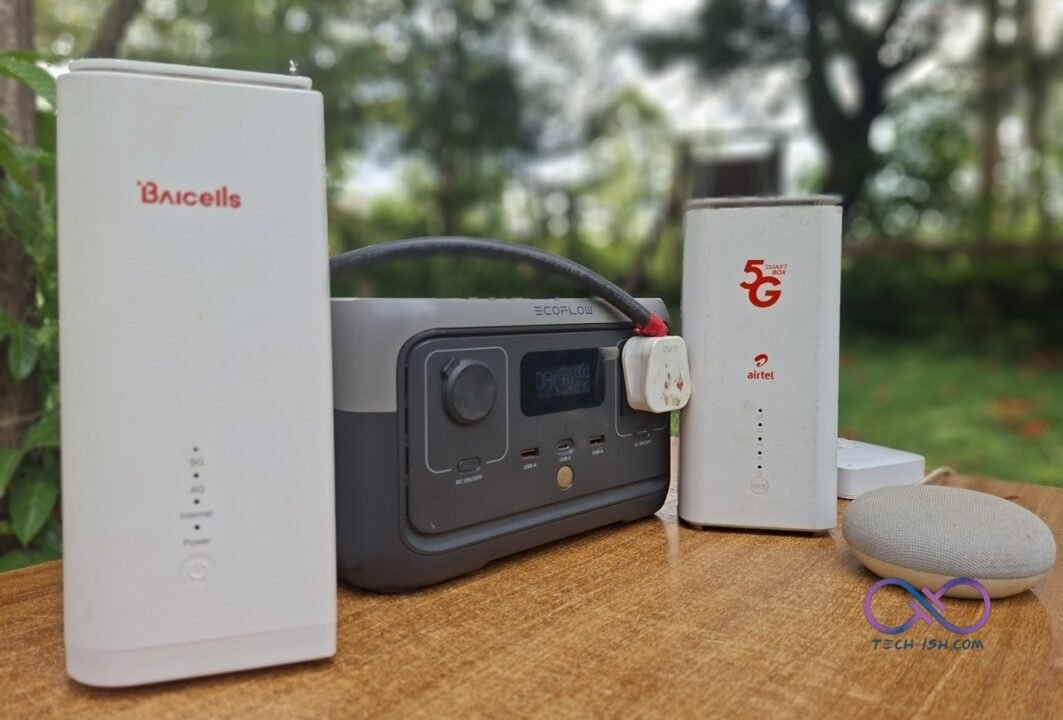
No digging.
No weeks of waiting.
No estate approvals.
Just buy a router, set it up, and you’re online.
Safaricom’s first attempt at cracking this market came at a painfully high entry price. The router felt niche, perhaps even experimental. But the market spoke. Prices dropped. Today, you can walk into a shop and pick up a 5G home router for KES 2,999, whether you’re going Safaricom or Airtel.
That price point changed everything. It made 5G home internet accessible. Not aspirational.
But here’s the problem: the global supply chain just turned hostile.
Memory prices have exploded, and routers are in the blast zone
According to Counterpoint Research’s February 2026 Memory Price Tracker, DRAM and NAND memory prices have “jumped more than 600% over the last one year for consumer applications.”
The surge is being driven by AI server demand. High-margin enterprise customers are soaking up memory supply, leaving not just smartphones, but also broadband routers, fighting for scraps.
And the impact is already measurable.
Counterpoint notes:
“Routers are hit the hardest, especially for OEMs with an unsecured supply and weaker negotiating power.”
Even more alarming:
“Memory is now contributing more than 20% of the total bill of materials (BOM) in low-to-mid-end routers, up from around 3% exactly a year ago.”
From 3% to 20%? That’s not inflation. That’s structural shock. And prices are expected to keep rising:
“This increase in memory prices will continue through June 2026 at least.”
So even if we’re approaching a peak, supply constraints are likely to persist.
Why this matters for Kenya
Let’s bring this home.
Safaricom and Airtel are pushing aggressive broadband expansion strategies. 5G FWA is central to that vision, especially outside major fiber zones. These routers aren’t just gadgets. They’re the gateway to streaming, remote work for people like us, online learning, rural digital inclusion, small business connectivity, and even cloud gaming and AI-powered CPE ambitions.

But if memory now accounts for 20%+ of router build costs, procurement economics shift dramatically.
Counterpoint itself warns:
“This ‘memory winter’ is going to prolong and slow down deployments as supply becomes a critical issue, in addition to increasing procurement costs for routers, CPEs and set-top boxes.”
Translation? Telcos will either absorb the costs (unlikely in the long term) or pass them to consumers (which is the most likely). And given that these routers were already repriced once to match market expectations, there isn’t infinite room for cost buffering.
The uncomfortable reality
Right now, KES 2,999 feels like a strategic subsidy price.
Safaricom and Airtel are in land-grab mode. They want households locked into their ecosystems. They want recurring data revenue. The hardware is the entry ticket. But if global component prices keep climbing through mid-2026, maintaining that aggressive pricing becomes harder.
And something else worth thinking about? Many telcos globally were planning to introduce AI-powered CPEs — routers with more compute and memory baked in. Counterpoint says those plans “could now face significant headwinds.”
In other words, the future might get more expensive before it gets smarter.
Should you panic-buy?
No.
But if you already planned to upgrade, don’t delay unnecessarily. We’re at a rare intersection of aggressive telco competition, subsidized entry hardware pricing, rising global component costs, and anticipated supply constraints.
That combination doesn’t last forever.
The Kenyan market has historically been sensitive to currency fluctuations and import costs. Add a 600% global memory surge to that mix, and it’s hard to imagine router prices staying flat indefinitely.
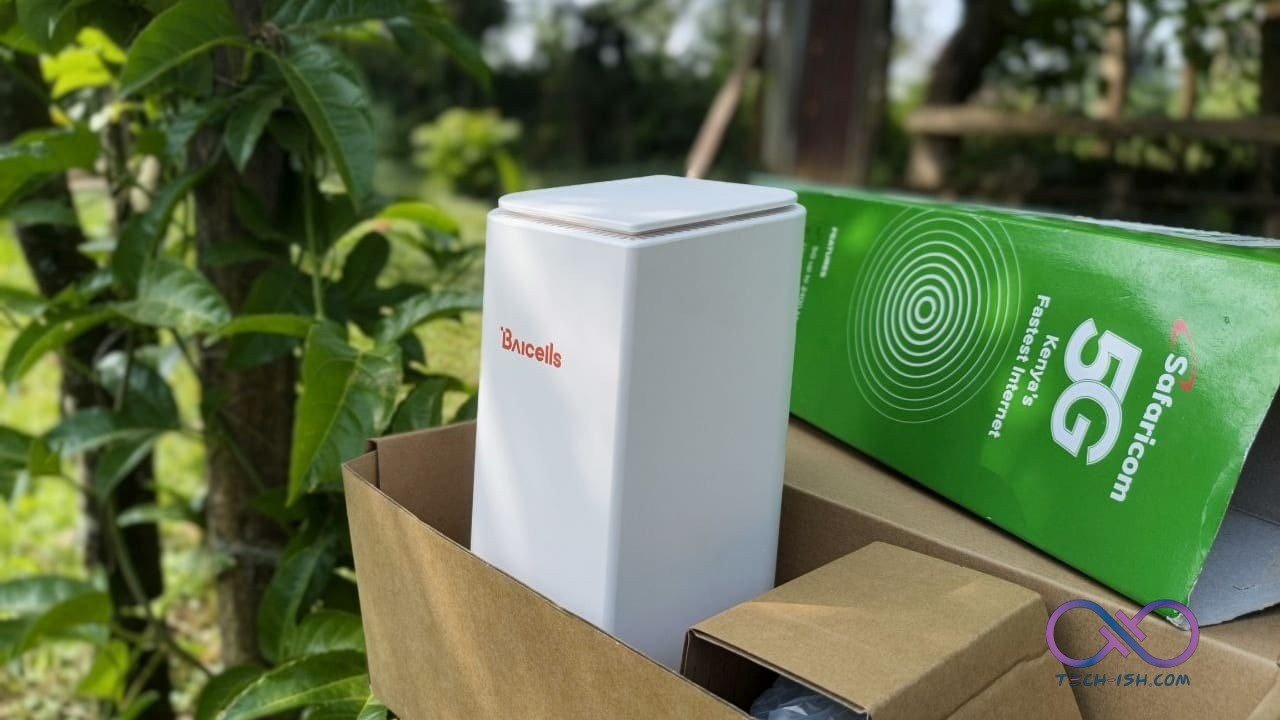
Even if Safaricom and Airtel try to hold the KES 2,999 line for optics, newer batches of hardware could quietly adjust upward. And once prices go up, they rarely come back down without a war.
This isn’t just about routers. It’s about how AI demand in data centers is now reshaping everyday consumer tech, from low-end smartphones to home broadband equipment.
We’re watching a global supply chain re-prioritize enterprise margins over consumer affordability. And Kenya, sitting in the middle of a broadband expansion wave, isn’t insulated from that shift.
If you’ve been considering 5G Home Internet, buying now feels strategically smarter than waiting.
Because if Counterpoint is right, and the data suggests they are, the current router pricing environment may not survive 2026 unchanged. Sometimes tech buying decisions are about features. Other times, they’re about timing.
This feels like the latter.