
Africa has always lived with a strange connectivity contradiction.
Drive a few kilometres outside Nairobi, out past the bypasses and into rural counties, and signal bars begin to flicker. Travel across northern Kenya, deep into national parks, along highways cutting through sparsely populated regions, and you quickly realise how fragile traditional mobile coverage can be.
Now here’s the irony. The very continent that could benefit most from satellite-to-smartphone connectivity is once again absent from the rollout map.
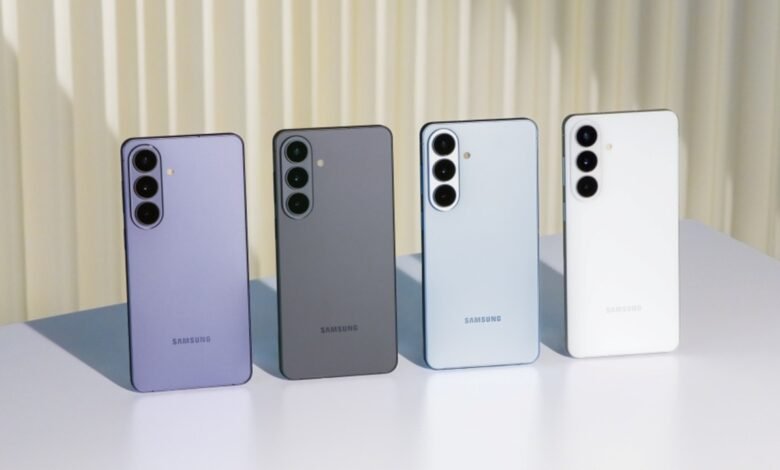
This week, Samsung confirmed the regions where the new Galaxy S26 series will support satellite connectivity. North America is covered. Europe is expanding. Japan is included. Africa is not mentioned.
And that omission is loud.
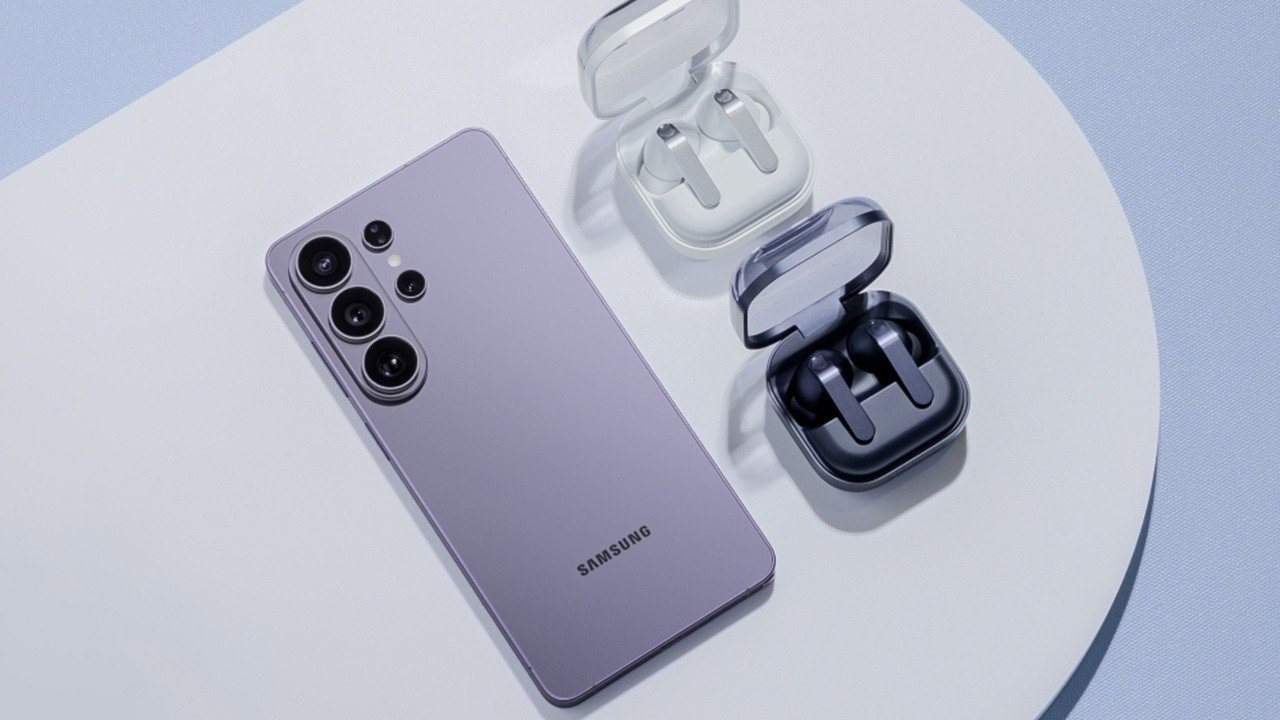
Satellite connectivity on smartphones is no longer theoretical. It’s commercial. Apple already enables Emergency SOS via satellite on the iPhone 14 and newer models in more than a dozen countries in North America, Europe, Australia, and Japan. Google offers satellite SOS on Pixel 9 and Pixel 10 devices in the US, Canada, most of Europe, and Australia. Samsung’s Galaxy S25 and now S26 series support satellite SOS, texting, and even limited data in select markets through partnerships with operators like T-Mobile and Verizon in the US and carriers such as O2 and Vodafone in Europe.
Across all these rollouts, one pattern holds: Africa is consistently excluded.
That’s surprising in Samsung’s case. If any Android brand had both the market presence and incentive to push satellite connectivity into Africa first, it would have been Samsung. Pixel devices barely register in African sales figures, so expecting Google to spearhead regulatory negotiations across multiple African markets was always unrealistic. Apple, while hugely popular in urban centres, still commands a smaller overall market share on the continent compared to Android, making the business case more complicated.
Samsung, on the other hand, dominates the premium Android segment across much of Africa. It has long-standing carrier relationships, government partnerships, and a broad product portfolio spanning from flagship Galaxy S to budget Galaxy A devices. If there was a brand positioned to justify the regulatory work, carrier coordination, and infrastructure alignment required for satellite activation here, it was Samsung.
Yet even Samsung’s Galaxy S26 satellite roadmap skips the continent entirely.
To be fair, satellite-to-cell connectivity isn’t just a switch that companies flip on. It requires complex agreements with non-terrestrial network providers, regulatory approval for spectrum use, emergency routing integration, and ground infrastructure capable of supporting reliable handovers between satellites and terrestrial networks. In the US and Europe, high average revenue per user and mature regulatory frameworks make these negotiations worthwhile. In many African markets, operators are still expanding 4G coverage and investing in basic infrastructure. The financial calculus looks different.
But here’s where the irony sharpens.
Africa remains one of the least covered regions in terms of traditional mobile networks. Large rural areas, cross-border transport corridors, wildlife reserves, fishing zones, and remote communities frequently experience little to no signal. Satellite-based emergency assistance and messaging were designed for exactly these kinds of gaps. Disaster response, rural healthcare coordination, and basic safety could all benefit enormously from direct-to-cell satellite services.
And yet, the continent that arguably needs it most is being asked to wait.
The wildcard in all this is Starlink. In December 2025, Airtel Africa announced a partnership with Starlink targeting 14 African markets, including Kenya, with plans for direct-to-cell texting and data services beginning in 2026. That deal changes the conversation.
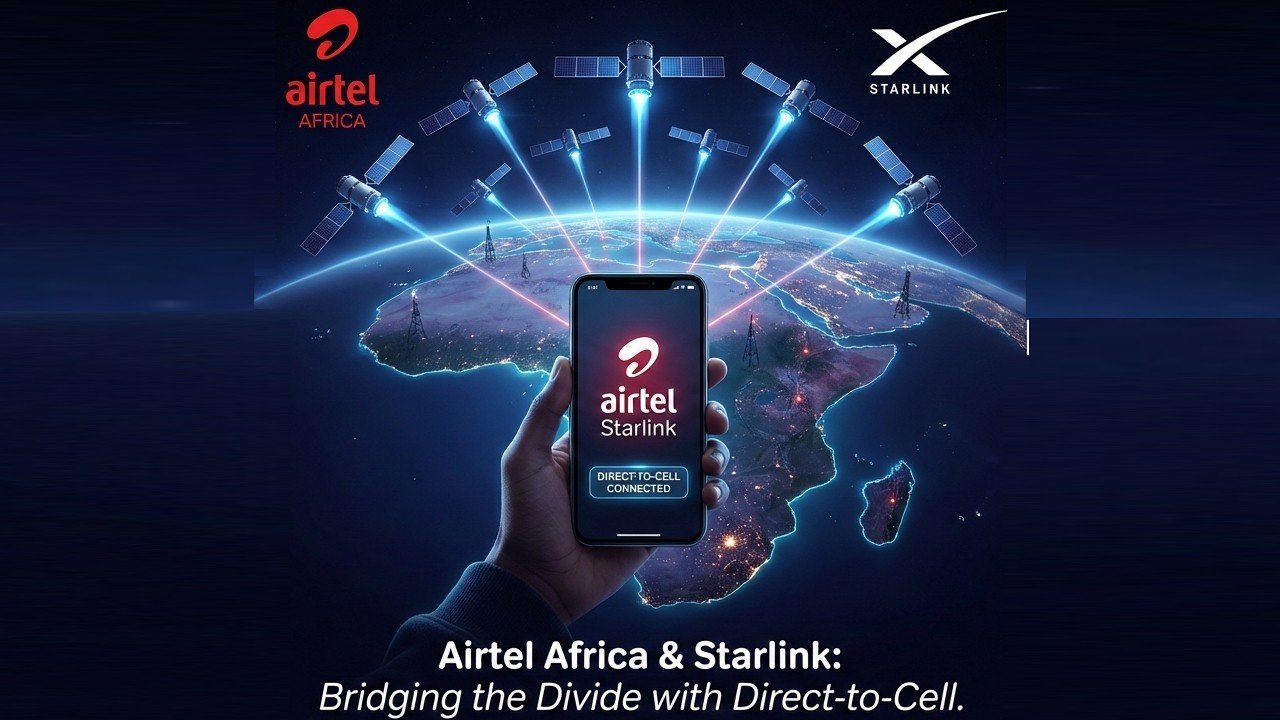
Unlike earlier satellite rollouts that required device makers to strike individual country-by-country agreements, Starlink’s low-Earth orbit network, combined with a large pan-African operator like Airtel, could streamline the groundwork. If Airtel handles regulatory approvals and local spectrum coordination, compatible smartphones may not need entirely new negotiations for every market.
The Galaxy S26 series, which already works with Starlink-powered services in the US, suddenly becomes the most logical candidate for eventual African activation. If Apple expands similar partnerships in the future, supported iPhones could theoretically benefit as well.
But that’s still a future tense conversation.
As of now, no smartphone brand has launched with active satellite support anywhere in Africa. No carrier besides Airtel has publicly committed to direct-to-cell smartphone integration. No confirmed device certifications have been announced for African markets.
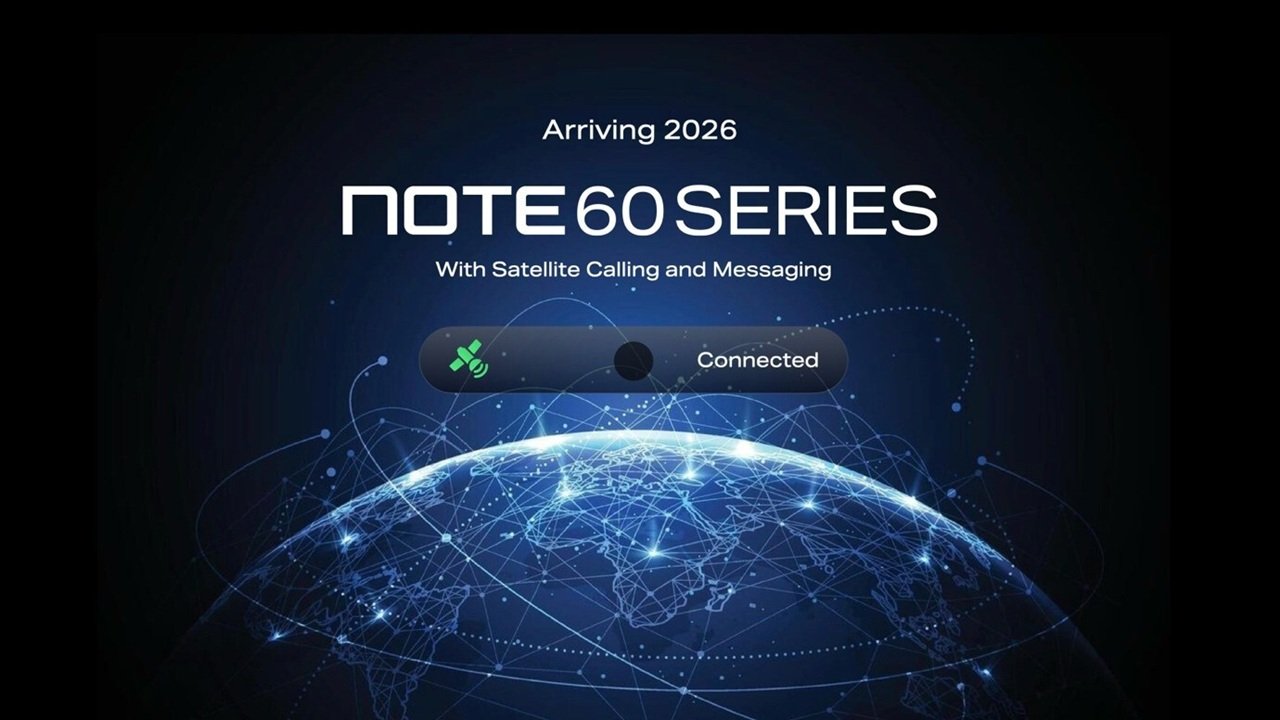
Samsung says its satellite capabilities are rolling out in phases based on network readiness and regulatory requirements. That leaves the door slightly open. A future software update tied to Airtel’s Starlink rollout could change things. It’s possible, especially with the likes of Infinix NOTE 60 series now well into the satellite territory.
Still, possible is not promised.
Africa once leapfrogged fixed-line broadband and built a global reputation around mobile money innovation. With satellite-to-smartphone connectivity, however, the continent isn’t leapfrogging. It’s watching. The satellites are already in orbit. The phones already support the hardware. But the partnerships are forming elsewhere.
The question now isn’t whether satellite connectivity works. It clearly does.
The real question is whether Africa will remain a footnote in global rollouts or whether 2026 finally becomes the year the continent stops waiting for signal bars and starts talking directly to the sky.