

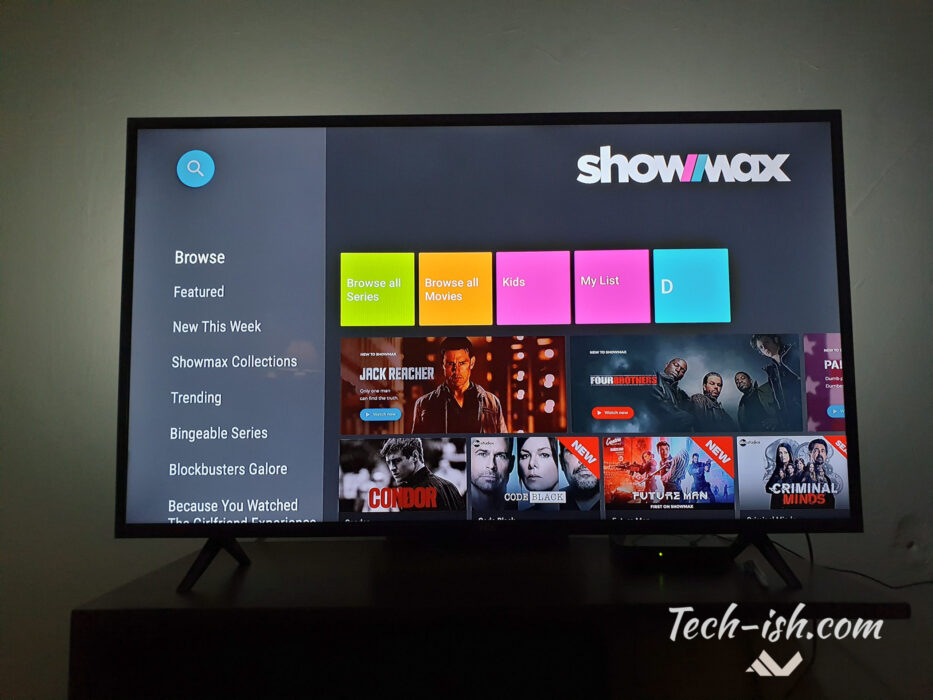

Today, Showmax has issues a statement via mail to its subscribers notifying them of the end of what was once the most promising digital media platform tailor made for the African continent. Sent under the unassuming header of “Changes to Showmax,” the email delivered a terminal diagnosis: the service will be discontinued.
The platform that pioneered localised video-on-demand (VOD) in Africa, fundamentally altered the consumption of live sports, and boldly challenged global titans like Netflix on local soil, is officially dead. And I’m very angry to say the least.
Its demise was not brought about by an inherent lack of market demand, nor was it out-innovated by external competitors. Instead, the death of Showmax is a textbook case of corporate self-sabotage, strategic myopia, and a fundamental lack of vision by its parent company, MultiChoice. To protect its legacy, high-margin satellite television business from being cannibalised by its own superior digital offspring, MultiChoice suffocated its own creation.
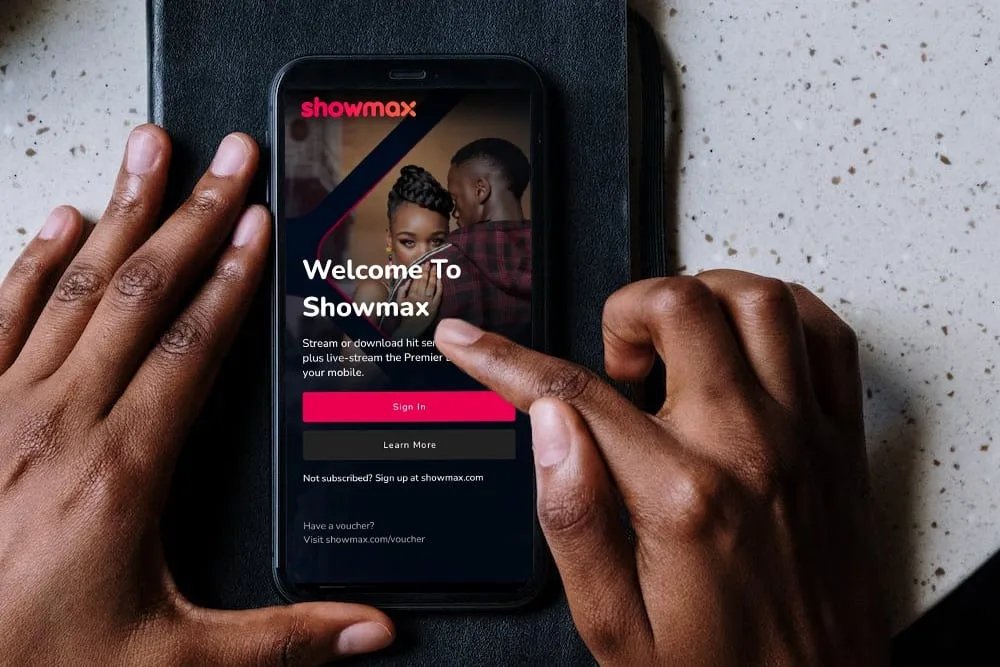
Showmax was engineered for Africa
To understand the magnitude of this fumble, one must acknowledge how exceptionally good the original Showmax product was. While global giants viewed Africa as a peripheral market, attempting to force credit-card-dependent, high-bandwidth platforms onto consumers, Showmax was purposefully architected for the African reality.
Recognising that fixed-line broadband penetration was exceptionally low, Showmax championed a “mobile-first” approach.
- Granular Data Control: It introduced features allowing users to stream content for as little as 50MB per hour on iOS and Android devices.
- Deep Telco Integrations: In Kenya, a highly successful partnership with Safaricom offered bundled subscriptions merging entertainment with data. For just KES 389, users received a 60-day mobile subscription bundled with 1GB of Safaricom data.
- Frictionless Payments: Subscriptions were natively integrated via M-Pesa, completely bypassing the need for credit cards.
However, the true masterstroke occurred with the launch of Showmax Pro. By bundling the full entertainment catalogue with live, high-definition sports streaming directly from SuperSport, Showmax created a legal, accessible alternative to piracy.
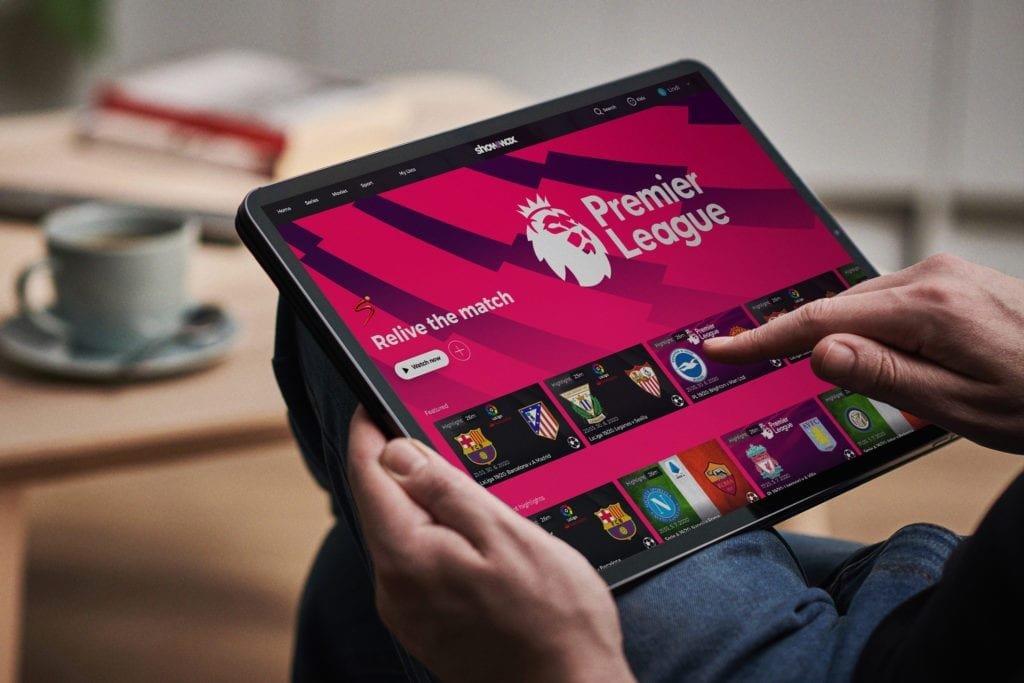
For KES 2,100 per month, standard Showmax Pro allowed fans to stream the English Premier League on their Smart TVs. For the first time, sports fans could completely bypass expensive hardware installations and the exorbitant monthly fees of traditional DStv packages. It was a complete, future-facing media hub.
I remember very many people in my circles and online talking about Showmax Pro and jumping on the bandwagon. Why pay for DSTV? Why jump on illegal streams?
What did Multichoice do instead…
This unprecedented success must have triggered a profound existential crisis within MultiChoice.
Users could pay KES 2,100 digitally – which many of us opted to go with. Or if you wanted the traditional satellite packages like DStv Compact Plus or Premium, you could allow Multichoice to extort you with exorbitant pricing.
MultiChoice chose to artificially cripple its superior digital product to protect the rapidly declining legacy satellite business. They killed Showmax Pro for TVs, leaving it mobile only. They deliberately disabled the ability to cast or natively stream live football matches to Smart TVs. They then forced customers to DSTV streaming, an app that was in a sorry state. I remember trying to sign up to watch and being frustrated and calling and not understanding why everything was so bad.
The Peacock migration and so many Showmax 2.0 annoyances
At the beginning of 2024, Showmax 2.0 went live. It was a high-stakes strategic partnership with Comcast’s NBCUniversal. The original backend infrastructure was entirely discarded, rebuilt on the technology stack powering NBCUniversal’s “Peacock”. Executives euphoric about “Showmax 2.0” projected it would generate $1 billion in annual revenue within five years.
The reality was a catastrophic technical and public relations disaster.
- The M-Pesa Obliteration: The US-based Peacock infrastructure shattered the intuitive M-Pesa integration that always existed.
- Technological Stagnation: While competitors standardised 4K resolution and HDR10+, Showmax remained notoriously capped. Despite a multi-million dollar relaunch, the platform executed a marginal upgrade to standard 1080p, failing to introduce 4K or HDR capabilities.
- Data Wipes: During the migration, viewing histories, carefully curated saved lists, and episode watch progress were permanently deleted.
The Canal+ Takeover
The culmination of these staggering strategic blunders resulted in an absolute financial bloodbath.
An analysis of the consolidated financial statements for the year ended 31 March 2024 revealed a catastrophic failure at the unit economics level. Showmax generated $45.38 million in revenue but incurred a staggering $98.72 million in Cost of Sales. The direct, variable costs of delivering the service were more than double the revenue generated from subscribers.
The situation deteriorated further. For the 2025 financial year, Showmax recorded a catastrophic trading loss of ZAR 4.9 billion (approximately $297 million to $308 million), a devastating 88% worsening from the previous year.
In September 2025, French media giant Groupe Canal+ completed its massive $2 billion acquisition of MultiChoice. Operating without the sunk-cost fallacy that plagued MultiChoice executives, Canal+ was entirely unsentimental about Showmax’s legacy.
Canal+ already operates its own highly successful streaming platform, myCanal, heavily utilised in Francophone African markets. Running two disparate tech stacks would require duplicating massive licensing fees, cloud hosting costs, and engineering overhead. To hit aggressive targets of €300 million in annual cost savings by 2030, Showmax had to be sunset.
A Legacy Squandered
Showmax was, without question, a genuinely brilliant product. At its peak, it cured the piracy epidemic for thousands of households, funded local creator economies on an unprecedented scale, and provided world-class entertainment optimised for African economic realities.
Its shutdown is not a reflection of a flawed original concept, but the inevitable, bitter harvest of years of corporate mismanagement. MultiChoice fumbled a multi-billion shilling opportunity simply because they were too afraid to let go of the past to grasp the future.





So now it’s either we pirate or install the dishes? We all know what most people will do 😒