
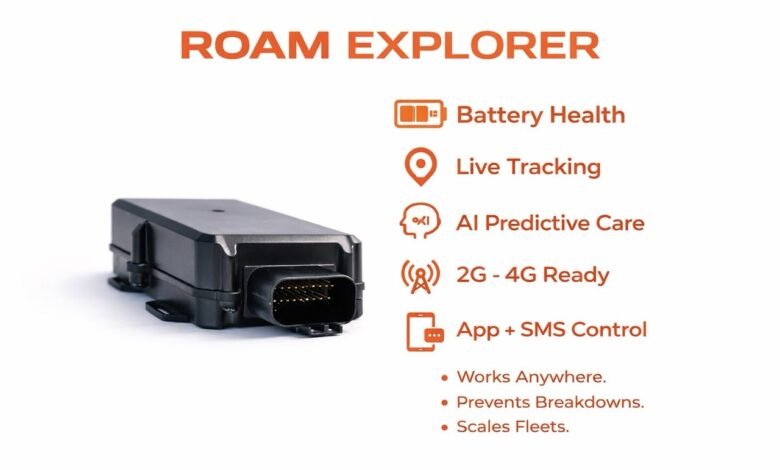

On the 4th of March 2026, Nairobi-based electric mobility manufacturer Roam launched a product that isn’t a vehicle at all. They introduced Roam Explorer, a centralised digital platform designed to connect and manage electric motorcycles, tuk-tuks, cars, and buses across the continent.
While a new software dashboard might lack the visual punch of a sleek new motorcycle rolling off the assembly line, this launch targets the absolute biggest bottleneck in the African EV transition: the visibility gap.
The Core Problem
To understand why Roam Explorer matters, you have to look at the economics of mobility in Africa. If a financier is going to issue a loan for a commercial motorcycle (often well over KES 150,000 for an EV model), they need assurance that the asset is safe, functional, and actively generating income.
Historically, the inability to remotely monitor these assets has crippled scaling efforts and driven up perceived risk for lenders. Furthermore, these vehicles are frequently deployed in environments plagued by inconsistent connectivity and a severe lack of fleet data. You cannot confidently finance what you cannot see.
Enter Roam Explorer
Roam is positioning Explorer not merely as an add-on accessory, but as the foundational digital operating layer for its entire electric fleet. Designed in Kenya in collaboration with Swedish technology partners, the system tracks location, usage, battery health, and performance in real time.
Here is how the platform is engineered to survive the realities of African infrastructure:
- Agnostic Connectivity: The system doesn’t rely solely on pristine urban 4G. It operates across 2G, 3G, and 4G networks, ensuring that vehicles remain connected even when operating in deep rural areas.
- Dual-Interface Control (App + SMS): Acknowledging that smartphone penetration is not universal among riders, operators can monitor data via a smartphone interface, whilst critical vehicle functions can still be managed entirely via SMS; a feature intended to expand usability beyond smartphone-dependent systems.
- AI-Powered Predictive Care: The system continuously monitors the battery’s temperature, range, and overall performance. By analysing this telemetry, the onboard artificial intelligence predicts maintenance requirements before they escalate, fundamentally reducing unexpected breakdowns.
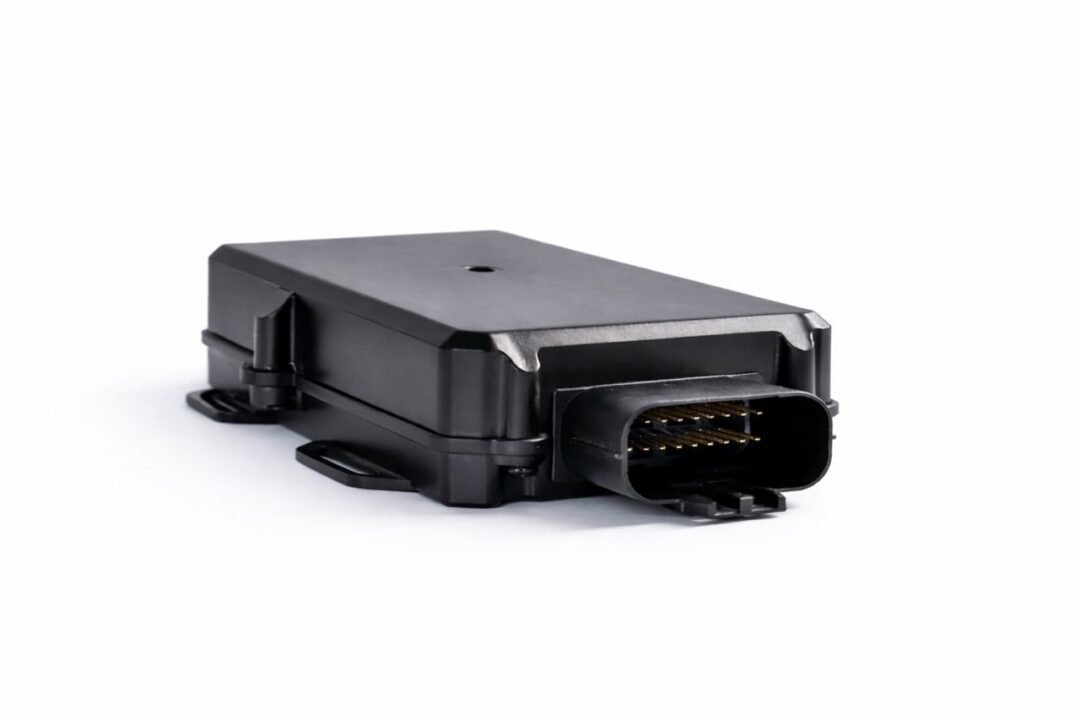
NOTE: The Roam Explorer visually resembles a standard OBD II (On-Board Diagnostics) reader. This is a physical dongle that plugs directly into the vehicle’s diagnostic port to pull telemetry, which it then relays via the internet.
Building the Connected Ecosystem

This evolution from a pure hardware manufacturer to the architect of a “connected electric ecosystem” aligns perfectly with Roam’s aggressive historical trajectory.
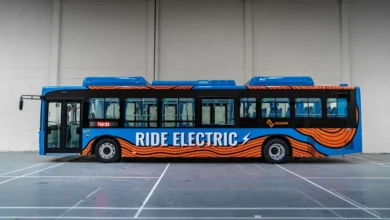
We saw their ambition when they introduced the Roam electric bus to Nairobi to tackle urban mass transit, and when they pushed the Roam Air into Western Kenya to test rural durability. They have even moved beyond standard passenger transport into logistics, partnering to build a fully electric food chain with Keep IT Cool.
This relentless, multi-sector product rollout is exactly why they were previously ranked among Africa’s fastest-growing companies (The press release cites an FT 2025 ranking, continuing their momentum from the 2024 listings).
The Business Reality
Ultimately, this software play is explicitly designed to unlock capital. By offering lenders like M-KOPA crystal-clear visibility over the vehicles they have financed, Roam is actively de-risking the asset.
Fleet managers gain the ability to monitor multiple vehicles simultaneously, while individual riders receive actionable insights designed to improve their safety and reliability.
Habib Lukaya, Roam’s Country Manager, summarised the shift succinctly: “It moves us from reacting to problems to preventing them. By giving real-time visibility into battery health and vehicle performance, we are making electric fleets safer to operate and easier to finance”.