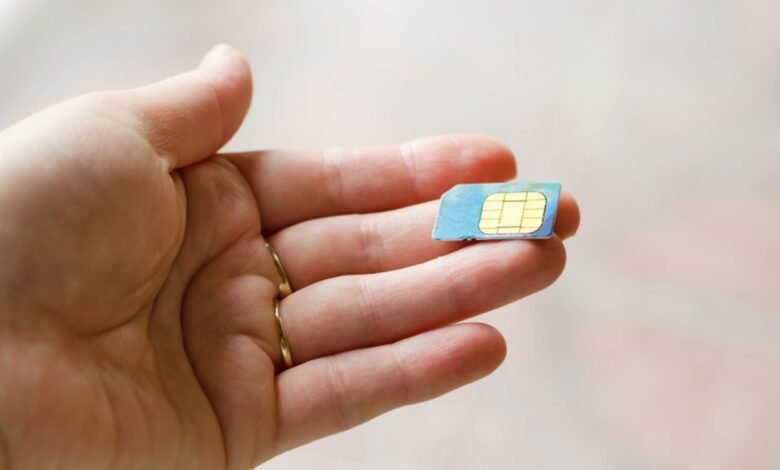

For years, I’ve argued that our telecoms treat our phone numbers like second-hand shirts, tossing them back into the market the moment we stop wearing them. We’ve all heard the horror stories. You buy a brand new SIM card, slot it into your phone, and within hours, you’re receiving threatening messages from loan apps for debts you never took, or worse, calling you names or even a thief.
Yesterday, the High Court of Kenya finally caught up with reality and made a landmark decision that will fundamentally change how Safaricom, Airtel, and Telkom handle our data.
The court ruled that your registered mobile phone number is not just a communication tool; it is a digital identifier linking directly to your private affairs. As such, it is fully protected under Article 31 (c) and (d) of the Kenyan Constitution, which safeguards your right to privacy.
Here is why this ruling is arguably the most consequential tech and privacy judgment we’ve seen in Kenya in recent times, and what it means for you.
The end of the SIM-recycling free-for-all
Historically, if you didn’t top up or use your line for a few months, telecoms would silently deactivate it, wipe it, and sell it to the next person. But let’s be honest: in 2026, a phone number is your life. It is your M-Pesa, your KRA PIN, your Gmail recovery, your WhatsApp, and your banking OTP.
When telcos recycle these numbers, they aren’t just passing on digits; they are actively handing over the keys to your digital identity.
Following a petition challenging this unfettered reassignment of numbers, the High Court has given the Office of the Attorney General a six-month ultimatum to implement strict measures safeguarding our digital identities.
From now on, the court ruled that telecoms can only reassign a phone number under three strict conditions:
- Verifiable consent: The telco must obtain the previous registered owner’s informed and verifiable consent.
- Public notice & verification: If the owner cannot be found, the telco must issue a public notice and wait out a reasonable period before reassignment, supported by a documented verification process.
- Technical safeguards: Telcos must put hard technical barriers in place to prevent the new owner from accessing the previous owner’s personal data linked to the number.
The human cost of recycled lines
To understand why this is a massive win, you only need to look at the damage number recycling has caused Kenyans. I’ve spoken to readers who have been locked out of their online lives. Imagine registering a SIM, using it to open a crucial online account, and later letting the line go dormant. When you try to log into that account months later, it demands SMS or WhatsApp verification. You can’t access it, and suddenly, some stranger holds the keys to your private data.
Kenyans took to X (formerly Twitter) to share their frustrations, and the trauma is real:
"A friend of mine lost their parent. Months later, they tried calling the number... someone else had it. Worse, that person had accessed the parent's email and was asking people for money."
"@SafaricomCare sold my line of over 20 years I have never healed! And to make matters more worse, the new owner is not even using the line!"
"They have always been on a field day re-selling the data of Kenyans. Even opening a Gmail Account nowadays is a tedious exercise. You input a new line only to be told its already registered. Same case with KRA!"
Another Airtel user highlighted the absolute nightmare of losing their number while out of the country:
"@AIRTEL_KE transferred my number... while I was roaming and was helpless since they needed me to come back in person to resolve the issue. Still mad."
What happens next?
While I fully support this ruling—it is long overdue—we need to brace ourselves for the blowback.
Telecoms recycle numbers because there is a finite pool of mobile numbers available, and maintaining inactive numbers on their network infrastructure costs money. By declaring numbers as permanent digital identities, this judgment is going to significantly increase the operational costs for Safaricom and Airtel.
We could very well see a future where telecoms introduce a line maintenance fee or a subscription model to keep dormant numbers active. Safaricom already has this in place with Daima Service, where you buy a bundle that will keep your line active for the duration you choose. If your number is essentially your digital ID, keeping it in the vault might soon come at a premium.
For now, though, the era of telecoms blindly passing your digital life to a stranger in a bustling shop in Nairobi is over. It’s no longer just about communication; it’s about security.




I’d prefer a line (number) per person per provider. I don’t understand what makes Kenyan think they shoud have separate lines, one for mpesa, the other for calls or whatever. The telecos have expanded the mpesa deposit accounts to 500k.I think one line is enough.