

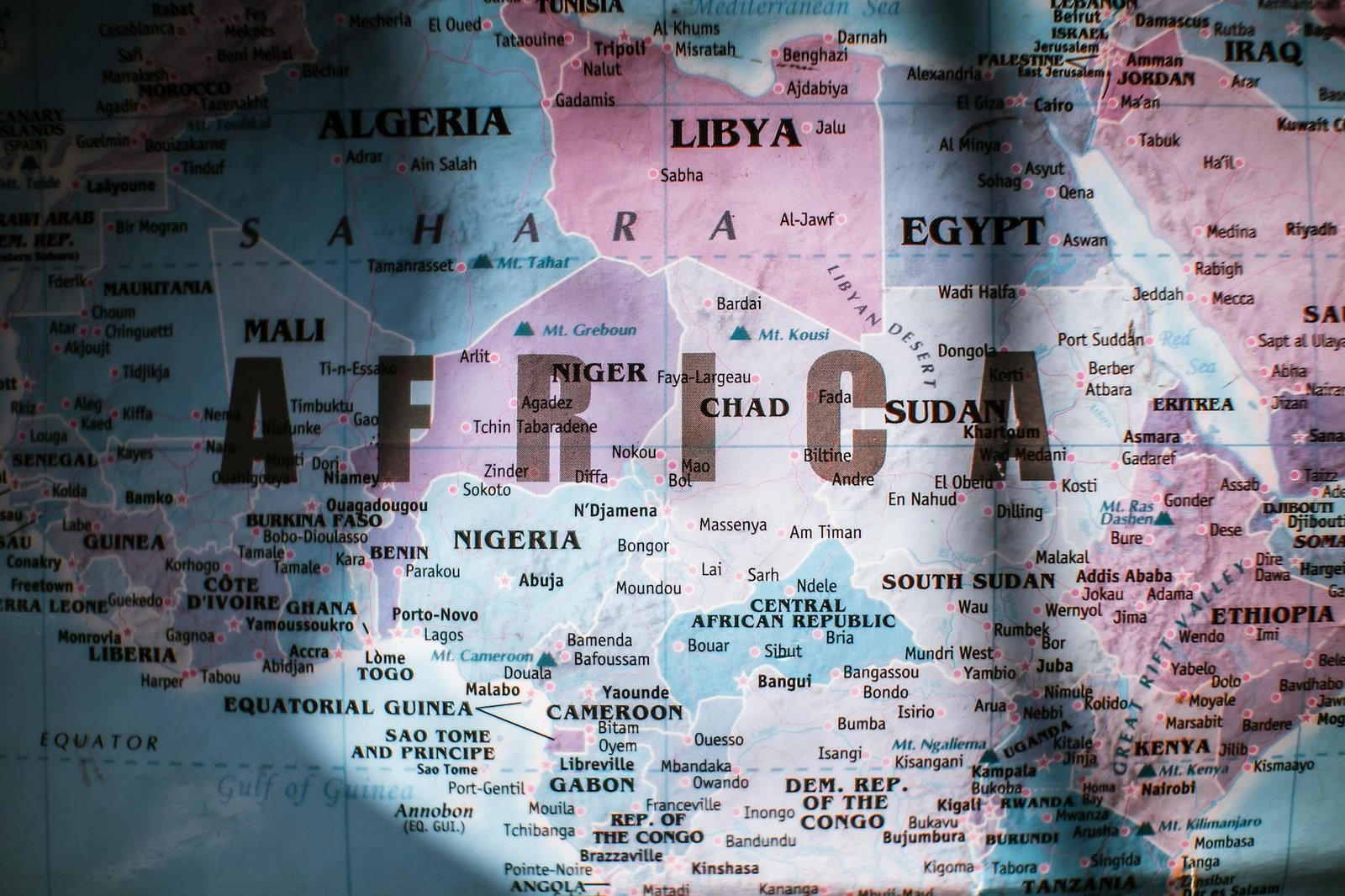
For years, conversations about Africa’s digital future have centred on a familiar set of problems: not enough towers, not enough fibre, not enough affordable devices. The solutions, too, have followed a predictable pattern: build more infrastructure, reduce costs, train more people.
What happened in Algiers at the end of March was different. Not because the problems have changed, but because the framing has.
African ministers responsible for telecommunications and digital development gathered at the inaugural Global Africa Tech Summit from 28 to 30 March 2026 and adopted the Algiers Declaration on African Telecommunications Sovereignty and Integrated Connectivity (2026–2030). The event, held at the International Conference Center in the Algerian capital under the theme “All Networks, One Convergence,” drew over 5,000 participants from 45 countries, including 50 ministers and decision-makers.
The declaration is a 14-article political document. It sets out commitments in four broad areas: universal connectivity, protection of critical digital infrastructure, data sovereignty, and human capital development. Its implementation period runs through to 2030, aligned with both the UN Sustainable Development Goals and the African Union’s Agenda 2063.

What does the declaration actually say?
At its core, the Algiers Declaration makes the argument that Africa’s digital divide is not just a development problem. It is a sovereignty problem. Countries that cannot control their own networks, secure their own data, or host their own cloud services are, in a meaningful sense, digitally dependent.
The declaration commits African governments to expanding affordable connectivity, with priority given to rural and underserved communities. It calls for building integrated continental infrastructure that links terrestrial, submarine, and satellite networks. It pushes for investment in data centres, internet exchange points (IXPs), and sovereign cloud computing solutions hosted on African soil. And it emphasises cybersecurity, interoperable digital ecosystems, and investment in local industries and human capital.
Algeria’s Minister of Post and Telecommunications, Sid Ali Zerrouki, who presided over the ministerial summit, framed it as a “true continental model for joint action.” The summit also agreed to establish a General Secretariat for Follow-up and Coordination to oversee implementation. And critically, the declaration will be submitted to the next African Union Summit for formal adoption, which would embed it into the continent’s strategic agenda.
Kenya’s role in Algiers
Kenya’s Cabinet Secretary for Information, Communications and the Digital Economy, William Kabogo Gitau, was among the prominent voices at the summit. Kabogo described the declaration as a unified continental position recognising that telecommunications infrastructure is now “a strategic foundation for sovereignty, resilience, inclusion and economic transformation.”
He added that the next phase depends on execution: “As a continent, we must now focus on implementation, coordination, and measurable progress ensuring that this shared vision translates into tangible outcomes for our citizens.”
For Kabogo, this was a notable moment on the international stage. Back home, his appointment to the ICT docket has drawn scrutiny, with many Kenyans questioning whether his background matches the demands of a ministry overseeing cybersecurity, AI governance, and digital transformation. Algiers gave him a platform to speak on continental policy, but the real test will be what Kenya does next domestically.
The gap between coverage and usage
One of the most important statistics underpinning the declaration comes from the International Telecommunication Union (ITU). Mobile broadband now covers around 86% of Africa’s population. On paper, that sounds impressive. But 14% of the continent still has no way of connecting at all. In rural areas, that figure rises to 25%.
Even more telling is the usage gap. Millions of Africans live within range of a mobile network but remain offline because of the cost of devices, the cost of data, limited digital skills, and low trust in digital systems. A GSMA report covered by Tech-ish.com found that globally, 3.1 billion people have mobile internet coverage but do not use it. Sub-Saharan Africa accounts for a significant share of that number.
The Algiers Declaration acknowledges this reality. Its emphasis on affordability, digital literacy, and local ecosystems suggests the framers understand that laying cable is only half the battle. Getting people meaningfully connected requires addressing the economic and social barriers that keep them offline.
Why “sovereignty” matters here
The word “sovereignty” does a lot of heavy lifting in this declaration, and it is worth unpacking.
When African governments talk about digital sovereignty, they are not simply talking about having fast internet. They mean reducing dependence on infrastructure, platforms, and data systems controlled by entities outside the continent. Right now, a large share of Africa’s internet traffic is routed through servers in Europe and North America. Sensitive data belonging to African citizens, banks, and governments often sits in data centres thousands of kilometres away.
This creates real problems. It increases latency, which affects everything from online banking to telemedicine. It raises legal complications around data protection laws. And it means that in a geopolitical crisis, Africa’s digital lifelines could be disrupted by decisions made elsewhere.
The push for local data centres, sovereign cloud solutions, and home-grown technology ecosystems is a direct response to this vulnerability. In Kenya, we have seen this play out with Oracle choosing iXAfrica to house its first public cloud region in East Africa, largely driven by the need to satisfy data residency requirements under the Data Protection Act. Airtel’s 44-megawatt data centre at Tatu City, currently under construction, is another piece of the puzzle.
The Algiers Declaration wants this kind of investment to happen across the continent, not just in a handful of leading markets.
Declarations vs. delivery
Africa is not short of declarations. The AU’s Digital Transformation Strategy (2020–2030) already exists. The Smart Africa Alliance has been pushing digital integration since 2013. Individual countries have their own national digital masterplans.
The question, as always, is implementation. The Algiers Declaration introduces a General Secretariat to coordinate follow-up, which is a step forward from previous agreements that lacked clear accountability mechanisms. But the declaration’s impact will ultimately depend on whether governments mobilise financing, harmonise regulations across borders, and sustain investment beyond the summit headlines.
Kenya’s own experience is instructive. Despite ambitious targets in the ICT Authority’s 2024–2027 Strategic Plan, county-level bureaucracy and regulatory fragmentation continue to slow broadband rollout. If a single country cannot align its own national and county-level digital policies, the challenge of doing so across 54 nations is enormous.
What this means for Kenya and the continent
The Algiers Declaration is a policy signal, not a magic wand. It tells the market and development partners that African governments are thinking about telecommunications in terms of strategic autonomy, not just access metrics.
For Kenya, the declaration reinforces the direction the country is already heading with data centre investments, local cloud infrastructure, and digital skills programmes. But it also raises the bar. If the continent’s governments have collectively agreed that digital sovereignty matters, then Kenya’s own gaps in rural connectivity, regulatory coordination, and digital literacy become harder to ignore.
The next milestone is the AU Summit, where the declaration will be tabled for formal adoption. If it passes, it becomes part of the continent’s strategic framework, with implications for how development finance institutions, telcos, and technology companies engage with African markets.
For now, the words are on paper. The fibre is not yet in the ground.
Have thoughts on Africa’s digital sovereignty push? Reach out: mail@tech-ish.com







Join the discussion