

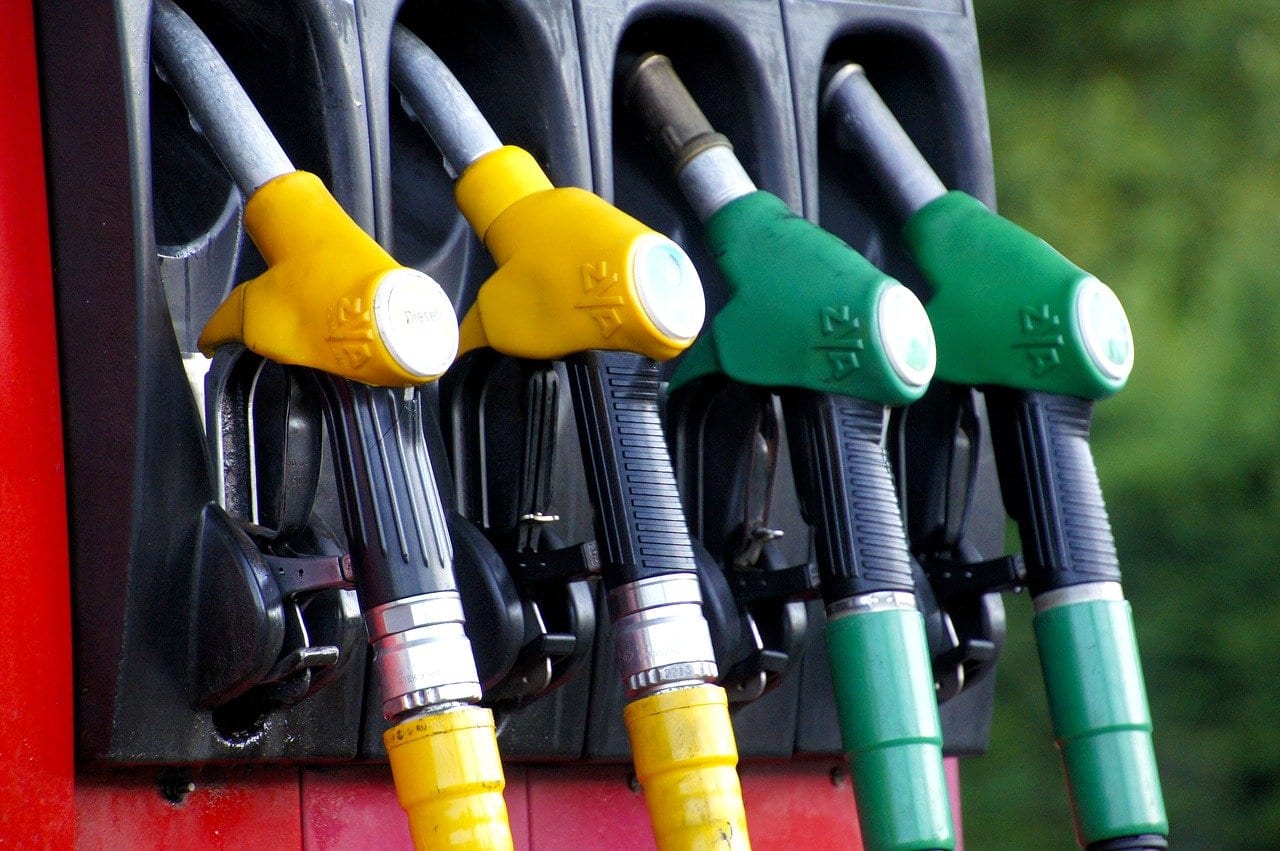
The Energy and Petroleum Regulatory Authority (EPRA) has announced the new maximum retail fuel prices for the period April 15 to May 14, 2026. The numbers confirm what the industry had been warning about for weeks: this is a painful cycle.
Super petrol in Nairobi will now cost KES 206.97 per litre, up KES 28.69 from the previous KES 178.28. Diesel climbs KES 40.30 to KES 206.84. Kerosene remains unchanged at KES 152.78.
That diesel figure is the standout. It has nearly caught up with petrol, a gap that used to sit comfortably above KES 10. The two fuels are now separated by just 13 cents in Nairobi. For matatu operators, trucking companies, and manufacturers who run on diesel, this is not a gentle adjustment. It is a structural hit.
Why the jump is this large
The answer starts at the Strait of Hormuz.

Since the United States and Israel launched strikes on Iran on February 28, global oil markets have been in a state of disruption not seen since the 1970s. Iran moved to close the Strait of Hormuz, through which roughly 20% of the world’s oil supply normally passes. On Sunday, the US military ordered a naval blockade of ships calling at Iranian ports, further tightening supply. Oil prices have surged past $100 a barrel.
Kenya imports all of its refined petroleum. EPRA calculates pump prices based on the weighted average cost of fuel cargoes that arrive at the Port of Mombasa between the 10th of the previous month and the 9th of the current one. This cycle’s prices reflect shipments that landed between March 9 and April 10, the first batch to carry the full cost of the Middle East crisis.
The numbers are stark. The average landed cost of imported super petrol rose 41.53% in a single month, from US$582.11 to US$823.87 per cubic metre. Diesel jumped 68.72%. Kerosene doubled, up 105.15%.
What the government did to soften the blow
Two interventions stopped prices from climbing even higher.
First, Cabinet Secretary for the National Treasury John Mbadi Ng’ongo signed Legal Notice No. 69 on April 14, reducing Value Added Tax on super petrol, diesel, and kerosene from 16% to 13%. This is a temporary measure, effective from April 15 to July 14, 2026. It means the tax charged on each litre of fuel is lower, even though the base price has risen sharply.
Second, the government is deploying approximately KES 6.2 billion from the Petroleum Development Levy (PDL) fund to subsidise the difference between where prices would naturally land and where they have been capped. Without this intervention, pump prices would have been significantly higher. As we reported last week, fuel dealers had warned that petrol could hit as high as KES 231.68 per litre without government cushioning.
EPRA’s breakdown for Nairobi shows the stabilisation fund absorbing KES 4.68 per litre on petrol, KES 23.92 on diesel, and KES 108.10 on kerosene. That kerosene figure explains why its pump price has not moved at all despite its landed cost more than doubling. The government is essentially paying the difference to protect households that rely on kerosene for cooking and lighting.
The scandal in the background
These prices also arrive against the backdrop of a fuel importation scandal that has shaken Kenya’s energy sector to its core. Three senior officials resigned in early April after investigations revealed that domestic fuel stock data may have been falsified to create an artificial shortage. The scheme allegedly led to the irregular procurement of an emergency fuel cargo aboard the vessel MT Paloma, outside the Government-to-Government (G2G) framework, at inflated prices and with reportedly substandard quality.
EPRA has stated in the press release that the super petrol delivered via MT Paloma by One Petroleum has not been included in the computation of applicable prices, following an earlier government directive.
Former Petroleum Principal Secretary Mohamed Liban, former Kenya Pipeline Company Managing Director Joe Sang, and former EPRA Director General Daniel Kiptoo Bargoria all stepped down after being named in the probe. Energy Cabinet Secretary Opiyo Wandayi appeared before Parliament’s Energy Committee on Monday but denied knowledge of why the officials resigned.
What this means for everyday costs
When diesel prices jump 24% in a single review cycle, everything that moves by road gets more expensive. Matatu fares are likely to rise. The cost of transporting goods from Mombasa to upcountry towns will go up. Food prices, already under pressure from seasonal factors, will face additional upward push. Manufacturers who depend on diesel generators for backup power will see operating costs climb.
Petrol’s 16% jump, while smaller in relative terms, still adds roughly KES 1,434 to the cost of filling a 50-litre tank.
Mombasa, being closest to the port, gets the lowest prices in the country: KES 203.69 for super petrol and KES 203.56 for diesel. Towns further from the coast pay more due to transport costs.
What to watch next
The VAT reduction is temporary. It expires on July 14. If the Strait of Hormuz situation has not stabilised by then, the May and June pricing cycles could bring further increases once that cushion is removed.
Treasury CS Mbadi has previously acknowledged that the KES 17 billion set aside for price stabilisation would not be enough to absorb a sustained global shock. The KES 6.2 billion deployed this cycle is a significant chunk of that. How much is left for subsequent months is an open question.
The broader policy conversation has also shifted. Just yesterday, Mbadi told lawmakers the government plans to replace 2,500 petrol vehicles in the state fleet with 3,000 locally assembled electric vehicles, citing the need to reduce dependence on imported fossil fuels. Whether that plan survives the journey from committee room to procurement order remains to be seen.
For now, the message from EPRA is clear: the era of KES 178 fuel is over. The only question is how much worse it gets before it gets better.
New fuel prices take effect at midnight on April 15, 2026, and will remain in force until May 14, 2026.





Join the discussion