
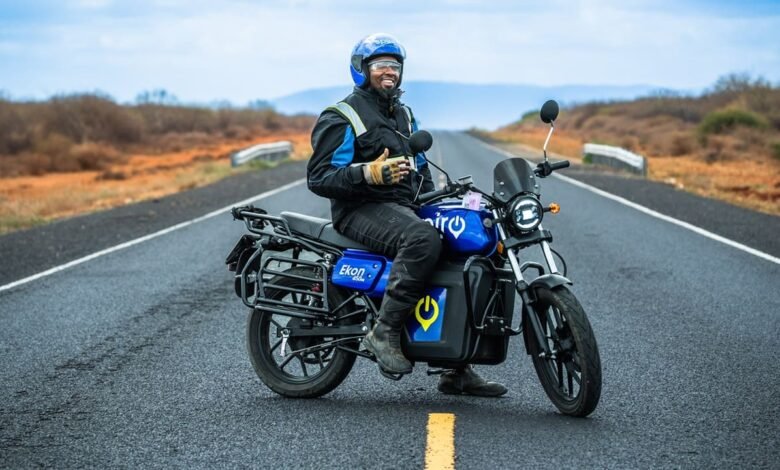
Fuel prices in Kenya are once again becoming a major concern for households, businesses, and especially bodaboda riders who rely on motorcycles for daily income. With petrol and diesel costs climbing sharply, and recent pressure from transport operators even forcing government intervention on fuel pricing, many riders are finding it increasingly difficult to sustain operations using traditional petrol-powered motorcycles.
But amid the rising costs and recurring fuel uncertainty, electric motorcycles are quietly emerging as one of Kenya’s most practical transport alternatives.
A recent report by Deutsche Welle (DW) highlighted how Nairobi is increasingly turning away from petrol-powered bikes and toward electric alternatives powered by locally generated electricity. The shift is no longer experimental. It is becoming a serious movement that could reshape urban transport across Kenya and eventually the wider African continent.
Fuel prices are squeezing bodaboda riders
For many bodaboda riders, fuel costs directly determine whether they make a profit at the end of the day. As petrol prices surge, riders say customers are often unwilling to pay higher fares despite the increased operating costs.

According to the DW report, riders in Nairobi described how difficult it has become to balance customer expectations with the reality of rising pump prices. Some warned that continued increases could push businesses toward standstill conditions, since fuel affects virtually every sector of the economy. The story is the same in Kisumu and Kakamega, according to the few riders I spoke to over the past couple of weeks.
This comes at a time when Kenya has already witnessed tensions around transport costs, including pressure from matatu operators following recent fuel price revisions. President William Ruto directed the Energy and Petroleum Regulatory Authority (EPRA) to further reduce diesel prices by KES 10 for the June-July pricing cycle in an effort to ease pressure on transport operators and consumers.
While diesel interventions may temporarily ease strain for matatus and logistics operators, bodaboda riders using petrol motorcycles remain highly exposed to global oil market shocks.
Electric bikes are shielding riders from fuel shocks
That exposure is exactly why electric motorcycles are attracting more attention.
Unlike petrol bikes, electric motorcycles are powered using electricity generated locally, meaning riders are less vulnerable to disruptions caused by international oil prices, geopolitical conflicts, or fuel shortages. In the DW feature, electric motorcycle riders explained that while petrol-powered operators struggled with dry fuel stations and price spikes, they were able to continue working largely uninterrupted.
For riders, the biggest advantage is simple: lower running costs.
Electric bikes generally require less maintenance because they have fewer moving parts than internal combustion motorcycles. More importantly, the cost of battery charging or battery swapping is significantly lower than daily petrol expenses.
Several riders interviewed noted that the distance covered using battery power still costs far less compared to petrol. I’ve heard this same story from multiple electric motorbike riders that I’ve interacted with over the past few months.
Battery swapping is solving one of EVs’ biggest problems
One of the biggest reasons electric motorcycles are gaining traction in Kenya is battery swapping technology. Instead of waiting hours for charging, riders can simply swap depleted batteries for fully charged ones in minutes.
The system works similarly to refueling at a petrol station.
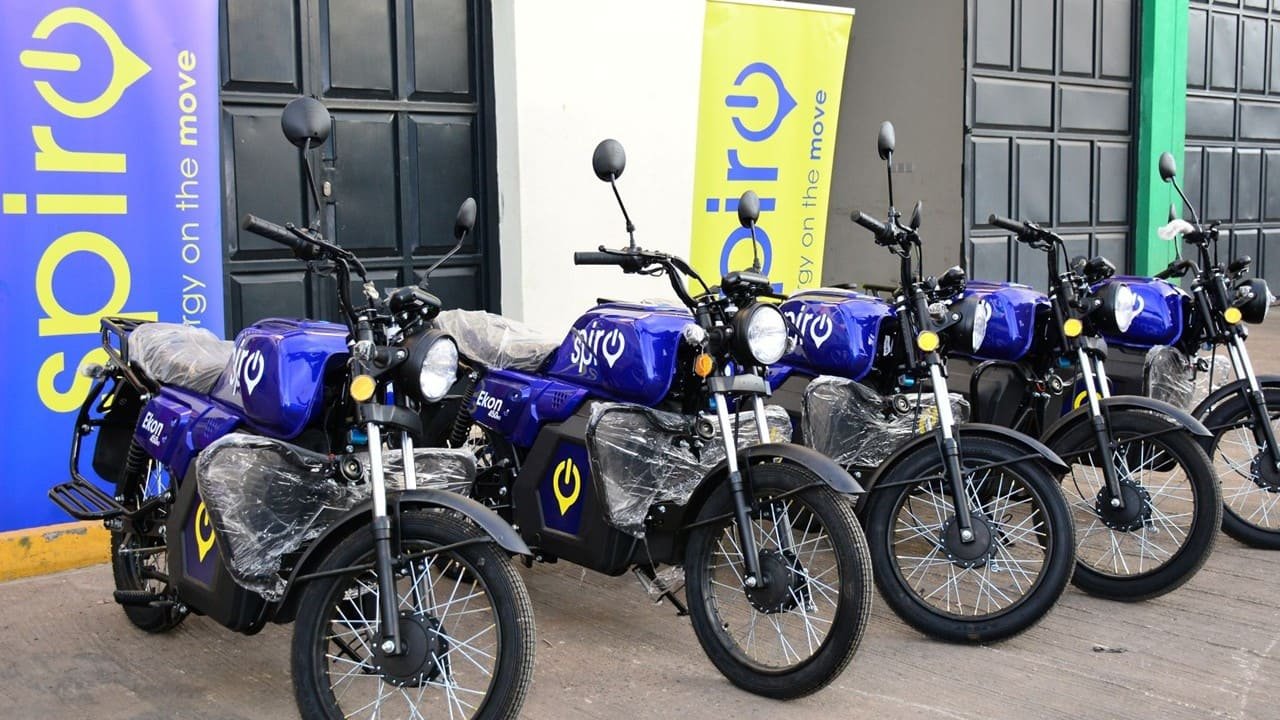
Depending on the motorcycle model and riding conditions, a single charge can deliver between 75 km and well over 100 km. Some higher-end setups can reportedly stretch to between 120 km and 160 km.
Battery swaps typically take around two to three minutes.
Across Africa, there are now reportedly over 2,500 battery swap stations supporting electric motorcycle operations. That growing infrastructure network is helping remove range anxiety and downtime concerns for commercial riders. For bodaboda operators whose income depends on staying on the road throughout the day, that convenience matters significantly.
Kenya’s electric motorcycle market is growing rapidly
What is perhaps most notable is the pace of adoption.
According to the DW report, electric motorcycles accounted for more than 15% of new motorcycle registrations in Kenya in 2025. That is a substantial figure considering how recently electric mobility began gaining traction in the country.
Companies like Spiro are helping drive this growth by building electric motorcycles designed specifically for African roads and transport conditions. The company says inquiries and conversions increased sharply following the latest global fuel disruptions, with expectations for even stronger growth ahead.
Kenya’s market is increasingly becoming a test case for how developing economies may adopt electric mobility faster than some wealthier nations, particularly in the two-wheeler commercial transport segment.
Africa’s energy security problem is driving the transition
The broader conversation goes beyond transport alone.
Hiten Parmar, Executive Director at The Electric Mission, told DW that Africa is currently experiencing both a “mobility revolution” and an “energy revolution.”
According to Parmar, electric motorcycles are attractive because they dramatically lower total ownership costs through reduced fuel and maintenance expenses. But they also help countries reduce dependence on imported oil.
That matters because many African economies spend enormous amounts of foreign exchange importing fuel. By shifting mobility toward electricity generated locally — especially renewable energy — countries can improve energy security and reduce vulnerability to global supply chain disruptions.
Ethiopia is already moving aggressively
Parmar also pointed to Ethiopia as an example of how policy can accelerate electric vehicle adoption.
In 2024, Ethiopia introduced a ban on imported fossil fuel vehicles, a move that rapidly accelerated electric vehicle deployment in the country. The policy works particularly well because Ethiopia generates most of its electricity from renewable sources, making locally powered transport more economically viable.
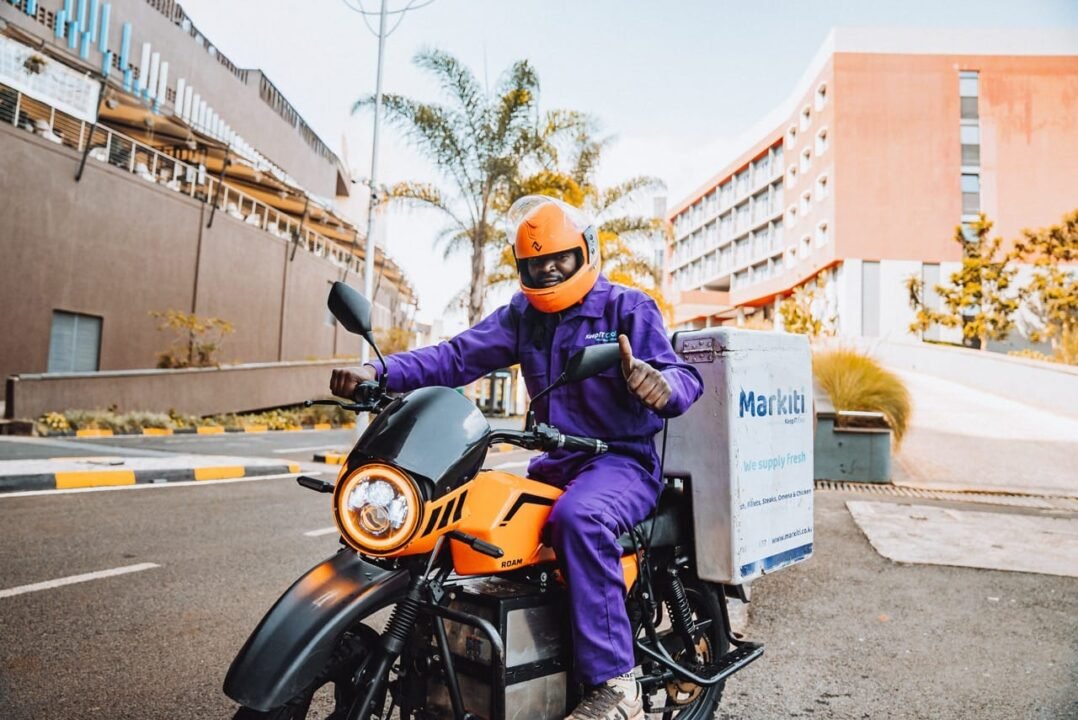
Kenya may not yet be taking such aggressive steps, but its growing electric motorcycle ecosystem suggests the country is steadily positioning itself for a similar future.
The bigger opportunity is in local manufacturing, but challenges remain
One of the more important points raised during the discussion is Africa’s opportunity to localize electric mobility manufacturing.
Parmar argued that African countries risk repeating the same dependency cycle if they continue exporting raw minerals only to import finished batteries and electric vehicles later at higher costs. Africa possesses many of the critical minerals needed for battery production. The argument is that governments should use policy incentives to encourage local processing, manufacturing, and industrialization around electric mobility.
If done properly, electric mobility could become more than just a transport solution. It could also become a major industrial opportunity for African economies.
Despite the optimism, the transition is not without hurdles.
Electric motorcycles still cost more upfront than traditional petrol bikes, making financing a major issue for many riders. Charging and battery swap infrastructure, while expanding quickly, still needs significant investment to keep up with growing adoption.
Policy consistency will also matter. Governments across Africa will likely need clearer regulations, incentives, emissions standards, and long-term infrastructure planning to fully accelerate the shift.
Still, the momentum appears difficult to ignore.
For many Kenyan riders, the decision is becoming less about environmental activism and more about economic survival. When fuel prices spike, electric motorcycles increasingly look like the more stable and affordable option.
And if the current trends continue, Kenya’s bodaboda industry could end up becoming one of Africa’s strongest examples of how electric mobility can thrive in the real world. Not because it is fashionable, but because it simply makes financial sense.






Join the discussion