

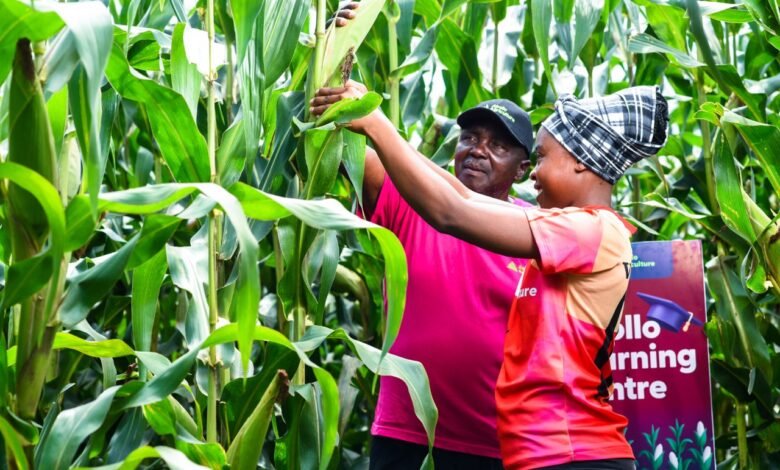
Fintech platform Kaleidofin and agri-finance company Apollo Agriculture have closed what they describe as Kenya’s first private-sector local currency securitisation in the smallholder agriculture sector. The deal mobilised KES 276 million (roughly USD 2.1 million) and was backed by the IDH Farmfit Fund, a blended finance impact fund, as the anchor investor.
Before unpacking the details, it is worth explaining what securitisation actually means in plain terms.
What is securitisation, and why does it matter here?
Securitisation is a process where a company bundles together a group of loans it has issued and sells them as a financial product to investors. Think of it this way: Apollo Agriculture lends money to thousands of smallholder farmers so they can buy seeds, fertiliser, and other inputs. Instead of waiting for all those farmers to repay before it can lend again, Apollo packages those expected repayments into a financial instrument and sells it to an investor like IDH Farmfit Fund. Apollo gets cash immediately, and the investor gets returns when the farmers repay.
This is not entirely new globally. Sun King and d.light used similar securitisation structures in 2025 to raise hundreds of millions of dollars for solar energy products in Kenya. But those were in the clean energy space. This deal is notable because it is the first time the model has been applied to agriculture in Kenya’s private sector.
The numbers behind the deal
The transaction involved a portfolio of loans worth KES 370 million, originated by Apollo Agriculture and covering 23,839 smallholder farmers. Of those farmers, 51% are women and approximately 22% are first-time borrowers. The sale of these receivables raised KES 276 million for Apollo.
The issuance received an investment-grade credit rating of BBB- from Agusto, a pan-African credit rating agency. That rating is significant because it signals to institutional investors that agriculture-focused receivables can be a credible, investable asset class.
One detail worth noting: the parties have not publicly disclosed the interest rate terms offered to farmers. According to Business Daily’s reporting on the deal, farmers receive inputs under a buy-now-pay-later model where interest costs are priced in upfront. While Apollo says the structure will help lower its cost of funds and offer more affordable loan terms, the exact pricing remains opaque.
How the tech works
The deal was structured through Kaleidofin’s ki platform, a debt capital market infrastructure designed to convert small agricultural loans into investable assets for institutional investors. What makes this different from traditional securitisation models is the data layer underneath it.
Kaleidofin uses a proprietary AI-driven tool called ki score to assess risk. It analyses loan transaction data, credit bureau information, and alternative data sources to build risk profiles and enable customised portfolio structuring. The idea is to give investors better visibility into the underlying risk of these assets, addressing one of the biggest barriers to institutional investment in smallholder lending: the lack of reliable data.
On Apollo’s side, the company uses satellite imagery of farm plots, machine learning models trained on agricultural yield patterns, and mobile-based data collection to underwrite farmers who have no collateral or formal credit history. This tech stack is what allows Apollo to make lending decisions for customers that traditional banks would never touch.
Why local currency matters
A critical aspect of this deal is that it is denominated in Kenyan Shillings. Historically, many agri-finance companies in Kenya have raised working capital in US dollars or euros and then lent it out in KES. This creates a foreign exchange mismatch: if the shilling weakens against the dollar, the cost of repaying that debt rises sharply, even if the business is performing well.
For farmers, the risk is even more direct. If their lender’s cost of funds increases due to currency fluctuations, those costs eventually get passed on through higher loan rates. A KES-denominated funding model removes that layer of vulnerability.
Apollo CEO Eli Pollak said the securitisation validates the company’s tech-enabled model and should help lower funding costs, ultimately making loans more affordable for farmers.
The bigger picture
This deal is being positioned as the first phase of a multi-year securitisation programme that aims to mobilise approximately KES 2.37 billion and reach more than 130,000 farmers over time.
The ecosystem of partners involved reflects the complexity of getting a deal like this done. FSD Africa, a UK-funded development agency, provided support on legal and regulatory structuring, investor engagement, and market development. The UK’s MOBILIST programme contributed tax and structuring guidance. British International Investment (BII) provided technical assistance to Apollo through its BII Plus facility. And the Gates Foundation supported FSD Africa’s role in enabling the transaction.
Kaleidofin, which is headquartered in Chennai, India, says it has facilitated over USD 10 billion in productive credit for more than 11 million customers across Africa and South Asia through its work with over 60 SDG-focused originators.
Apollo Agriculture, founded in 2016 and based in Nairobi, has raised over USD 67 million to date. The company has served more than 350,000 farmers in Kenya and Zambia and counts SoftBank Vision Fund, Chan Zuckerberg Initiative, and Yara Growth Ventures among its investors.
What this means for Kenya’s fintech and agritech landscape
If this structure proves repeatable, it could open a meaningful new funding channel for agri-finance companies and other lenders serving underserved segments. The model essentially creates a bridge between the informal economy and institutional capital markets.
Kenya has already shown that securitisation can work at scale in the clean energy sector. Extending that model to agriculture, where the asset quality data is harder to come by and the repayment cycles are tied to seasonal harvests, is a more complex challenge. The fact that this deal attracted an investment-grade rating suggests the data infrastructure is maturing enough to support it.
For farmers, the promise is straightforward: cheaper, more accessible credit in a currency that does not expose them to exchange rate shocks. Whether that promise translates into meaningfully better loan terms will depend on how the economics of the programme scale over time.







Join the discussion