
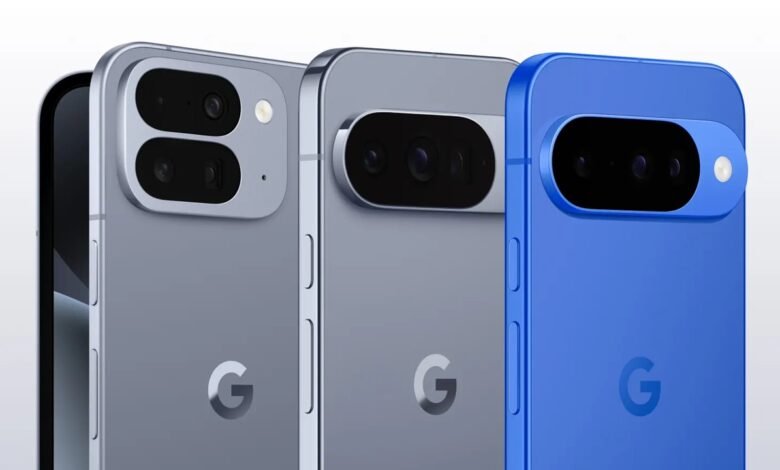
For the past few months, a devastating bootloop issue has been bricking Pixel devices globally. The nightmare originally began tracking back to the March, April, and May 2026 software updates. Affected devices would suddenly freeze on the iconic Google “G” logo or continuously crash and reboot the exact millisecond a user entered their security PIN.
In late April, Android Authority reported that Google was actively tracking the Pixel bootloop bug and developing a software patch. However, behind the scenes, the situation seems to have dramatically deteriorated.
While monitoring the primary Google Issue Tracker, which has exploded to nearly 1,000 desperate comments and hundreds of upvotes, I discovered a massive shift in Google’s stance. Google engineers silently upgraded the bug’s status from a casual P3 priority and standard severity straight to a critical P0 and S0 classification.
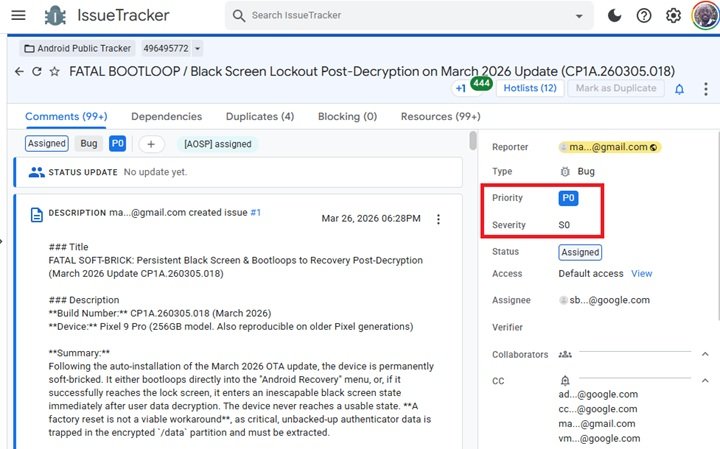
What do P0 and S0 mean? In software engineering, Priority 0 (P0) is the highest possible urgency level, representing an "all hands on deck" engineering emergenpcy that demands an immediate fix. Severity 0 (S0) signifies a catastrophic system impact where a core function is completely broken or entirely unusable for affected users. Together, this dual escalation tells you exactly how severe Google now views this crisis.
The software “fix” that failed to fix the Pixel bootloop issue
On June 6, 2026, Google developers explicitly reopened and reassigned the tracking threads, with engineering representatives instructing users to bypass automated channels and contact Pixel Customer Support directly under the specific flag of “reboot loop issue after recent software update.”

Shortly after, Google deployed what they believed would be the ultimate lifesaver: a specialized recovery path through the official Pixel Repair Tool. The instructions required plugging the dead phone into a computer with at least 7GB of storage and forcing the device to install an Android Beta pre-production build via “Rescue Mode.” Google promised this specific patch would rebuild the operating system without wiping personal user data.
But the celebration was entirely short-lived.
Over the last week, wave after wave of users with devices ranging from the Pixel 6 to the latest Pixel 10 series reported that the official utility completely failed to recover their phones.
Pixel bootloop issue is due to a hardware partition failure
The most alarming development has come directly from internal Google Support emails leaked into the issue tracker by frustrated consumers. When the beta software installation fails to stop the looping, Google’s support team is finally admitting the grim truth.
According to several emails sent by Google Support agents to affected owners this June, the problem is not a simple code glitch that a software patch can overwrite. Instead, the recent updates severely corrupted the phone’s physical data partition.
One of the emails from the Google Support Team verbatim states:
"As per the Engg [Engineering] team update the issue is with the data partition and the only resolution for that is to replace your device."
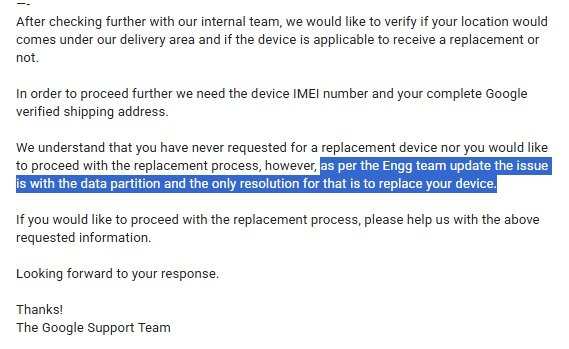
About four independent users have corroborated this exact text from Google Support in the last 72 hours. If a phone suffers from this specific partition failure, it is effectively a permanent paperweight. The only resolution left on the table is a full hardware replacement.
The big catch for local Pixel owners
This is an incredibly bitter pill to swallow for the international tech community, but it poses an even greater existential threat to local users. Because Kenya does not have an official Google retail presence or authorized direct repair hubs, navigating a corporate device replacement program for a refurbished device is a logistical nightmare.
If you are currently holding a Pixel 6 or newer device that is running smoothly, back up your data immediately. Do not wait for tomorrow. Turn on cloud backups, save your 2FA security keys, and copy your photos. If your device suddenly takes the fall into this data partition trap, a software rescue may no longer save you.



Join the discussion