
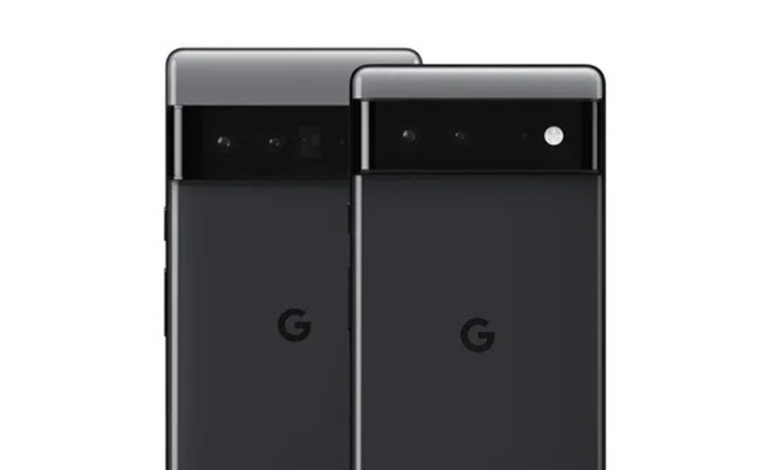
When Google quietly leaves a device out of a technical announcement, it rarely does so by accident.
Over the past few months, I’ve noticed a pattern developing around the Pixel 6 and Pixel 6 Pro. First, the phones quietly missed out on some Android 17 Beta releases. Then came the omission from certain Android 16 monthly security updates. Each time, the explanation seemed straightforward enough: these devices are nearing the end of their promised software support.
Now, Android 17 QPR1 Beta 6 has delivered what may be the clearest indication yet that Google’s first Tensor-powered flagship is approaching its final chapter.
A major upgrade is coming, but not for Pixel 6
According to information shared by Mystic Leaks on Telegram, Google is preparing another large-scale Linux kernel migration for almost every Tensor-powered Pixel device.

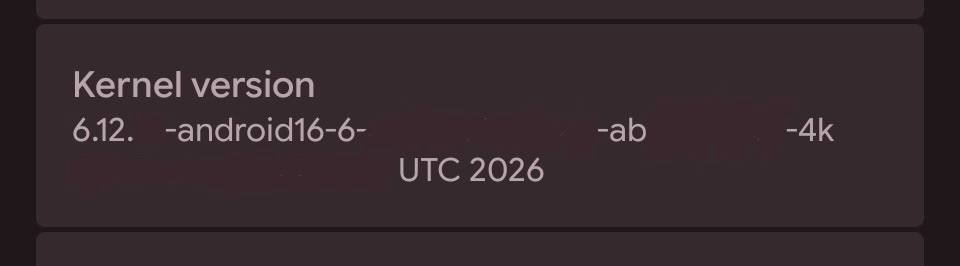
Here’s what’s reportedly changing:
- Pixel 7, Pixel 8 and Pixel 9 series: Linux kernel 6.1 (Android 14) → 6.12 (Android 16)
- Pixel 10 series: Linux kernel 6.6 (Android 15) → 6.12 (Android 16)
The Pixel 6, Pixel 6 Pro, and Pixel 6a are nowhere to be found.
That omission isn’t particularly surprising, at least for the Pixel 6 and 6 Pro. Both devices are scheduled to reach the end of Google’s promised software support in October 2026, meaning investing engineering resources into a significant kernel migration would offer little long-term benefit.
Google performed a similar migration in 2024 when it upgraded Tensor-powered Pixel devices as part of Android 15 QPR2. Back then, the Pixel 6 participated because it still had meaningful software life ahead of it. Today, the situation is very different.
Another clue hiding inside Android 17 QPR1 Beta 6
The kernel upgrade isn’t the only thing drawing attention. Google has also published Android 17 QPR1 Beta 6 system images, and once again, the Pixel 6 lineup is missing. Instead, supported devices include:
- Pixel 6a
- Pixel 7, Pixel 7 Pro and Pixel 7a
- Pixel Tablet
- Pixel Fold
- Pixel 8, Pixel 8 Pro and Pixel 8a
- Pixel 9, Pixel 9 Pro, Pixel 9 Pro XL, Pixel 9 Pro Fold and Pixel 9a
- Pixel 10, Pixel 10 Pro, Pixel 10 Pro XL, Pixel 10 Pro Fold and Pixel 10a
- Android Emulator
Notice what’s missing? Neither the Pixel 6 nor the Pixel 6 Pro appears on the list. While this isn’t the first Android 17-related release to skip the devices, every new omission reinforces the same reality: Google has already shifted its attention almost entirely to newer Tensor generations.
What Android 17 QPR1 Beta 6 actually brings
For supported Pixel devices, Android 17 QPR1 Beta 6 arrives with build version CP31.260618.005, June 2026 security patch and Google Play Services version 26.20.31. Google also fixes several bugs, including:
- An issue preventing users from selecting multiple spell checker languages.
- Volume button actions failing inside the Clock app.
- Visual glitches caused by rapidly swiping through the Quick Settings media carousel.
- A WindowManagerGlobal bug that caused application crashes.
- A bug where enabling Wi-Fi hotspot displayed a generic SSID instead of the user’s saved hotspot name.
These aren’t headline-grabbing features, but they continue polishing Android 17 QPR1 ahead of its wider rollout.
Should Google have given the Pixel 6 one final kernel upgrade?
That’s the question many Pixel enthusiasts are now asking.
On one hand, Google’s decision makes perfect engineering sense. A Linux kernel migration is a substantial undertaking involving extensive testing, validation and long-term maintenance. Performing that work for devices with only three months of official support remaining isn’t particularly practical.
On the other hand, the Pixel 6 occupies a unique place in Google’s smartphone history. Released in 2021, it marked the debut of the company’s in-house Tensor processor and introduced a completely new design language that would influence Pixel phones for years. For many users, it wasn’t just another annual refresh, but it represented Google’s biggest smartphone reinvention in years.
That’s why some owners will understandably feel disappointed seeing their devices left out while every newer Tensor Pixel receives another major platform-level enhancement.






I feel like Google should start putting some value into their phones. Mere months after you buy a Pixel the value goes down by a large percent. I mean even Google does not value their devices for upgrades.
To that end, they do need to at least offer some overlap at least a UI and feature update for the last model lineup that is going out of life.
The Pixel 6 lineup is still a powerhouse and can keep up with the best competition still.
Planned Obsolescence at it\’s finest and it\’s across all manufacturers.
We are very appreciated this update for the pixel 6